Revolutionize material handling with multidirectional heavy-duty movers

In today’s complex industrial environments, efficient material handling is no longer a luxury—it’s a necessity. Multidirectional heavy-duty movers represent the pinnacle of innovation in large-scale material transport, offering unprecedented flexibility and operational efficiency. These sophisticated machines are specifically engineered to handle substantial loads while navigating through confined spaces with remarkable precision. Unlike conventional material handling equipment, multidirectional movers can maneuver in any direction, eliminating the constraints of traditional movement patterns.

For manufacturing facilities, warehouses, and production plants dealing with substantial components, these versatile machines have become indispensable assets, dramatically reducing reliance on overhead cranes while enhancing workplace safety. MORELLO’s advanced multidirectional heavy-duty movers combine cutting-edge technology with robust engineering to deliver solutions that transform industrial operations, increase productivity, and provide a significant competitive advantage in materials handling challenges.

Multidirectional heavy-duty mover for industrial applications

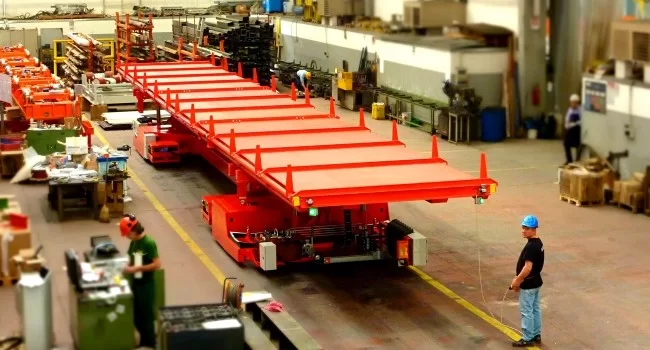
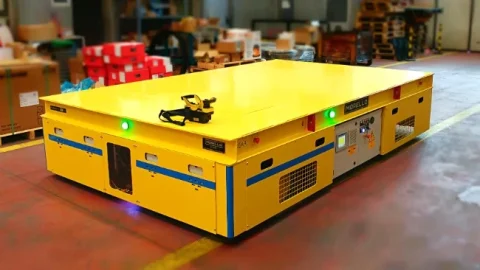
Industrial facilities face growing challenges in material handling as production scales and manufacturing complexity increases. The multidirectional heavy-duty mover represents a significant advancement in addressing these challenges, offering unprecedented flexibility for operations that require movement of substantial loads across factory floors. These specialized vehicles are engineered to handle weights of 20 tons or more while providing omnidirectional movement capabilities that traditional handling equipment simply cannot match.

What distinguishes these systems is their ability to navigate in any direction without the constraints of conventional steering systems. This allows for precise positioning in congested spaces, maximizing facility layout efficiency and minimizing the footprint required for maneuvering large components. For manufacturing operations dealing with oversized materials, this translates directly to improved throughput and reduced bottlenecks.

Beyond mere transportation, these movers serve as complete material handling solutions by incorporating lifting capabilities that eliminate dependency on overhead cranes. This dual functionality not only streamlines operations but significantly enhances workplace safety by reducing suspended load hazards—a primary concern in heavy industrial settings.

The integration of battery power systems further enhances the versatility of these movers, allowing them to operate independently throughout facilities without the constraints of power cables or pneumatic lines that would otherwise limit their range and application flexibility.

The transformative capabilities of multidirectional heavy-duty movers

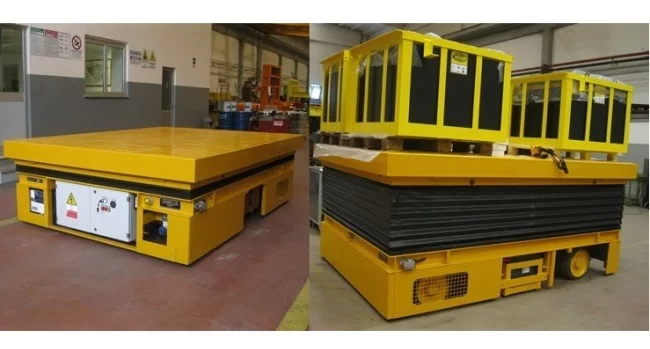
When industrial operations rely on overhead cranes for material movement, they face significant workflow limitations. Multidirectional heavy-duty movers fundamentally transform this paradigm by introducing capabilities that dramatically enhance operational efficiency. The most significant advantage comes from their self-loading functionality, which allows these machines to position themselves beneath loads, elevate them by approximately 200mm, transport them to the desired location, and then safely lower them into position.

This self-sufficiency eliminates scheduling bottlenecks commonly associated with shared crane resources. In facilities where multiple departments compete for limited crane availability, the introduction of multidirectional movers can reduce wait times from hours to minutes, directly impacting production schedules and delivery timelines.

The safety implications are equally compelling. By keeping loads close to the ground rather than suspended overhead, these systems significantly reduce the risk envelope associated with material transport. This creates a safer working environment while simultaneously allowing operations to continue in adjacent areas that would typically be cleared during overhead lifts.

Perhaps most importantly, these movers enable new facility layout possibilities that weren’t previously viable. With the ability to maneuver in confined spaces and navigate through areas inaccessible to cranes, companies can optimize their floor plans for production efficiency rather than material handling constraints. This spatial freedom has allowed many manufacturers to reconfigure production lines, consolidate operations, and utilize building square footage more effectively—delivering ongoing operational benefits beyond the immediate material handling advantages.

Engineering excellence: how electric heavy-duty movers function

The engineering behind a 20-ton capacity electric heavy-duty mover represents a sophisticated balance of power, precision, and structural integrity. These industrial workhorses utilize distributed weight management systems that allow them to support massive loads while maintaining maneuverability. The core structure typically incorporates a reinforced steel frame with load-bearing components strategically positioned to maintain stability during both stationary and dynamic operations.

Power delivery comes from advanced AC drive motors, specifically designed for high-torque applications. Unlike conventional industrial vehicles, these specialized motors provide the necessary force to initiate movement from a complete stop—even when fully loaded—without the jerking motion that could destabilize sensitive cargo. The drive system typically incorporates multiple independent motors to ensure redundancy and balanced power distribution.

The lifting mechanism represents another engineering achievement, utilizing hydraulic or electromechanical systems capable of raising 20-ton loads with millimeter precision. This precision is crucial when positioning components for assembly or when navigating loads through tight clearances in manufacturing environments.

Control systems integrate multiple sensors monitoring weight distribution, platform angle, speed, and proximity to obstacles. This sensor network feeds into sophisticated control algorithms that make real-time adjustments to ensure safe operation regardless of load characteristics or facility conditions. MORELLO’s implementation of these systems demonstrates particular excellence, with their movers featuring intuitive operator interfaces that simplify complex maneuvers despite the substantial engineering complexity working behind the scenes.

Advanced steering technologies that revolutionize warehouse navigation

The true innovation of multidirectional heavy-duty movers lies in their revolutionary steering capabilities. Unlike conventional material handling equipment constrained to forward and backward movements with wide turning radiuses, these advanced systems employ independently controlled wheel units that transform how industrial spaces can be navigated.

Each wheel module operates as a self-contained steering and drive unit, capable of rotating 360 degrees independently of the others. This independence creates unprecedented maneuverability through five distinct steering modes:

  • 90° Steering (Crab Movement): Allows the mover to travel sideways without changing the orientation of the load—ideal for navigating narrow aisles or positioning alongside assembly lines.
  • Diagonal Steering: Enables movement at any angle, optimizing the path between points while navigating around obstacles.
  • Carousel Steering: Rotates the entire vehicle around its center point, perfect for reorienting loads in confined spaces.
  • Compass Steering: Permits rotation around any selected point, allowing precise positioning relative to fixed equipment or assembly components.
  • Ackermann Steering: Provides traditional vehicle-like steering for efficient long-distance transport across open factory floors.

These steering technologies create extraordinary spatial efficiency in warehouses and production facilities. Spaces previously considered unusable due to maneuvering constraints become viable for operations. The system’s precision also reduces the clearance needed around stored materials, effectively increasing storage capacity without facility expansion. For operations handling large components in space-constrained environments, this technological advancement transforms what was previously impossible into standard procedure.

Battery power innovations in heavy-duty material handling equipment

The evolution of battery technology has dramatically transformed the capabilities of multidirectional heavy-duty movers, enabling these massive machines to operate with the freedom and flexibility previously impossible with tethered power systems. Traditional lead-acid batteries have long served as the standard power source, providing reliable performance for basic operations. However, the demands of modern industrial environments have driven significant innovations in this critical component.

Lithium-ion battery systems represent the most significant advancement, offering multiple advantages that directly impact operational efficiency. The most obvious benefit is the dramatic reduction in charging time—from approximately eight hours with conventional batteries to just two hours with lithium systems. This translates to substantially higher equipment availability and utilization rates, particularly in multi-shift operations where downtime directly impacts productivity.

Beyond charging speed, these advanced battery systems deliver more consistent power output throughout the discharge cycle. While lead-acid batteries experience voltage drops as they deplete, lithium systems maintain stable performance until nearly fully discharged. This consistency is crucial when handling precision movements with substantial loads, where power fluctuations could compromise positioning accuracy.

The energy density improvements also allow for extended operational range, with some systems capable of traveling up to 5 kilometers on a single charge while handling full-capacity loads. For large facilities, this extended range eliminates the need for strategic charging stations throughout the operation, simplifying infrastructure requirements and increasing flexibility in deployment. MORELLO’s implementation of these battery innovations ensures their multidirectional movers deliver reliable performance throughout extended operational periods.

Integrating AGV functionality for complete automation solutions

The integration of Automated Guided Vehicle (AGV) capabilities represents the pinnacle of multidirectional heavy-duty mover evolution, transforming these already sophisticated machines into fully autonomous material handling solutions. By incorporating advanced navigation systems, these movers can follow predetermined paths throughout industrial facilities without operator intervention, creating new possibilities for workflow optimization and labor allocation.

The optical guidance system represents one of the most reliable and cost-effective implementation approaches. Using specialized sensors, the mover detects colored stripes or patterns applied to the facility floor, following these markers with exceptional precision. This method requires minimal infrastructure changes while providing reliable navigation even in challenging industrial environments with varying lighting conditions or surface types.

Beyond simple path following, modern AGV implementations incorporate obstacle detection and avoidance capabilities. Using a combination of sensors—including ultrasonic, LiDAR, and camera systems—these autonomous movers can identify unexpected obstacles, pause operations, and either navigate around obstructions or signal for assistance when necessary. This intelligence ensures safe operation in dynamic environments where personnel and other equipment may be present.

The operational benefits extend well beyond labor savings. AGV-equipped multidirectional movers enable truly continuous operations, maintaining consistent material flow between production stages without the variability inherent in manual operations. This predictability enhances production planning capabilities and enables tighter integration with manufacturing execution systems. For industries with high-value components and stringent traceability requirements, the elimination of human handling also reduces damage risk while creating digital documentation of material movements throughout the facility.

Elevating industrial material handling with multidirectional innovation

Multidirectional heavy-duty movers represent a transformative approach to industrial material handling challenges, combining unprecedented maneuverability with robust load capacity. These sophisticated machines eliminate traditional constraints, allowing operations to optimize workflows, enhance safety, and maximize facility utilization. With their self-loading capabilities, advanced steering systems, and potential for automation, these movers deliver comprehensive solutions that address the evolving demands of modern manufacturing and logistics environments.

MORELLO stands at the forefront of this technological evolution, delivering customized multidirectional movers that precisely match the unique requirements of operations across diverse industries. Our engineering expertise ensures that each system integrates seamlessly into existing workflows while providing the reliability essential for mission-critical material handling tasks.

Ready to revolutionize your material handling capabilities? Explore MORELLO’s complete range of multidirectional heavy-duty movers and discover how our tailored solutions can transform your operational efficiency and competitive advantage.
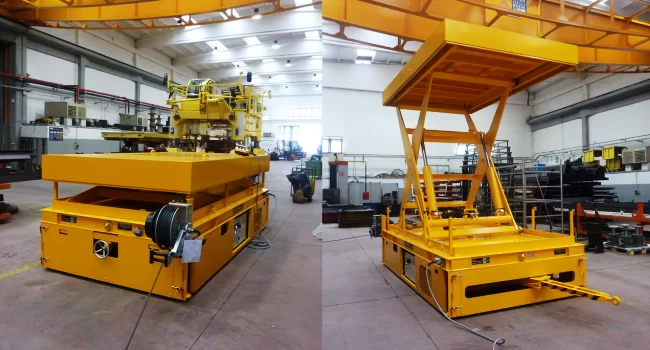
Self-propelled trolleys with pneumatic tyres: revolutionize material handling

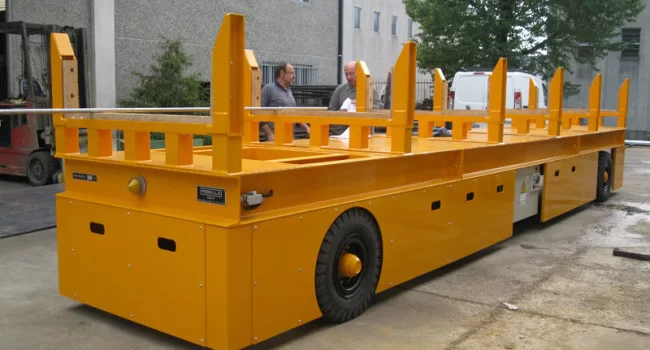
In today’s industrial landscape, efficient material handling is crucial for maintaining operational excellence. Self-propelled trolleys with pneumatic tyres represent a significant advancement in the transportation of heavy loads across diverse industrial environments. These specialized vehicles combine the maneuverability of self-propelled systems with the adaptability of pneumatic tires, creating an optimal solution for challenging material transport requirements. At MORELLO, we’ve engineered these trolleys to address the specific needs of industries dealing with substantial weights, irregular surfaces, and complex facility layouts. Whether you’re managing a steel plant, energy facility, or large-scale construction project, these robust material handling solutions deliver exceptional performance while prioritizing safety and efficiency. Our self-propelled trolleys are designed to navigate both indoor and outdoor environments with equal capability, offering the versatility demanded by modern industrial operations while reducing manual labor and minimizing the risk of workplace injuries.

The engineering behind self-propelled trolleys

Self-propelled trolleys represent a sophisticated convergence of mechanical engineering, power systems, and ergonomic design. These specialized material handling solutions are built around a robust steel framework capable of supporting substantial loads while maintaining structural integrity even under continuous stress. The self-propulsion system typically incorporates high-torque electric motors powered by industrial-grade batteries, eliminating the need for external power sources or manual pushing.

The pneumatic tire system forms a critical component of these trolleys, offering several technical advantages over solid rubber or polyurethane alternatives. These air-filled tires provide superior shock absorption when traversing uneven surfaces, effectively protecting both the transported materials and the trolley’s internal components from damaging vibrations. The larger contact patch of pneumatic tires distributes weight more evenly, reducing ground pressure and enabling operation on sensitive flooring or unpaved terrain.

Control systems in modern self-propelled trolleys range from simple tiller-arm steering mechanisms to sophisticated programmable logic controllers that enable precise movement. Many MORELLO’s models feature variable speed control, allowing operators to adjust velocity based on load characteristics and environmental conditions. The integration of safety features such as emergency stop buttons, anti-collision sensors, and automatic braking systems ensures that these powerful machines can be operated safely even in busy industrial environments with multiple personnel present.

Key advantages of battery-operated trolley systems for heavy materials

Battery-operated trolley systems with pneumatic tires deliver substantial operational benefits that make them invaluable for demanding material transport scenarios. These advantages extend beyond mere convenience to impact productivity, safety, and overall operational efficiency.

The most immediate benefit is the elimination of manual labor required to move heavy loads. A single operator can safely transport materials weighing several tons without physical strain, dramatically reducing workplace injuries and associated costs. This capability proves particularly valuable when handling awkward or oversized items like steel pipes, concrete panels, or industrial machinery components.

Environmental versatility represents another significant advantage. Unlike traditional tow tractors or forklifts, battery-operated trolleys with pneumatic tires can transition seamlessly between indoor facilities and outdoor yards. The pneumatic tires absorb shock when moving over uneven terrain, while the self-contained power system eliminates the need for external power sources or exhaust ventilation.

Additional operational benefits include:

  • Zero emissions during operation, supporting environmental compliance and indoor air quality
  • Reduced noise levels compared to combustion-powered alternatives
  • Lower total cost of ownership through reduced maintenance requirements
  • Enhanced maneuverability in confined spaces compared to tractor-trailer configurations
  • Ability to customize speed, acceleration, and braking characteristics to match specific materials

These advantages make battery-operated trolleys particularly valuable in facilities where traditional material handling equipment faces limitations due to space constraints, surface conditions, or environmental concerns.

Industrial applications: from steel plants to construction sites

Self-propelled trolleys have proven their versatility across diverse industrial sectors, with each application showcasing their unique capabilities for specialized material handling challenges. In steel manufacturing facilities, these trolleys efficiently transport heavy pipes, coils, and plate steel between production stations and storage areas. The pneumatic tires provide crucial shock absorption when moving over floor joints and transitions, protecting valuable materials from damage while ensuring precise positioning during the manufacturing process.

The energy sector has embraced these trolley systems for transporting turbine components, generator assemblies, and other critical equipment. Power generation facilities often feature mixed indoor/outdoor environments where the ability to traverse different surfaces without transferring loads between vehicles significantly streamlines operations. Similarly, in aerospace manufacturing, self-propelled trolleys transport delicate yet heavy components through production facilities with exceptional precision and minimal vibration.

Construction and precast concrete operations benefit from the maneuverability of these systems when positioning large structural elements. Unlike cranes that require extensive setup and safety zones, battery-operated trolleys can navigate directly to installation points, reducing handling steps and minimizing risk. The trolleys’ low profile design allows them to move under suspended loads, enabling more efficient coordination between lifting and horizontal transport operations.

Logistics centers and distribution facilities utilize these trolleys for moving oversized goods that exceed the capacity of conventional forklifts or pallet jacks. Their ability to operate in confined spaces makes them particularly valuable for navigating narrow aisles and doorways while carrying substantial loads. This versatility across industries demonstrates why self-propelled trolleys with pneumatic tires have become essential equipment for operations where traditional material handling solutions prove inadequate.

Customization options for specialized material handling needs

The true value of self-propelled trolleys with pneumatic tires emerges through customization that addresses specific operational requirements. MORELLO’s engineering approach begins with understanding the unique characteristics of materials being transported, environmental conditions, and workflow integration points. This collaborative process ensures that each trolley system delivers optimal performance for its intended application.

Platform dimensions represent one of the most fundamental customization variables. Width, length, and load surface configuration can be precisely tailored to accommodate specific materials, from elongated pipes to irregularly shaped components. Load capacity engineering allows for trolleys designed to handle anywhere from several hundred pounds to many tons, with structural reinforcement and power systems scaled accordingly.

Control systems offer particularly valuable customization opportunities. Options range from simple manual controls to sophisticated remote operation capabilities and even semi-autonomous guidance systems. For facilities with repetitive transport routes, programmable path following functionality can be implemented to increase efficiency and reduce operator fatigue. Safety features can be enhanced with specialized sensors, cameras, and warning systems based on the operational environment.

Battery systems can be optimized for specific duty cycles, with options for rapid charging, battery swapping, or extended-duration power packs. For operations requiring continuous use, hot-swap battery systems enable quick power source exchanges without lengthy downtime. Specialized attachments further extend functionality, including rotators, tilters, and lifting mechanisms that transform the trolley from a transport device into a comprehensive material handling solution.

This commitment to customization ensures that each self-propelled trolley system addresses not just the immediate material transport challenge but integrates seamlessly with broader operational workflows, maximizing return on investment while enhancing workplace safety and efficiency.

Maintenance and operational considerations for optimal performance

Maintaining self-propelled trolleys requires a structured approach to ensure reliable performance and maximize service life. While these systems are designed for durability in demanding industrial environments, proper maintenance significantly impacts their long-term operational efficiency and safety.

Battery management represents a critical maintenance aspect. Regular inspection of battery connections, proper charging procedures, and monitoring of charge cycles helps prevent unexpected power failures during critical operations. Most modern trolley systems include battery management systems that provide diagnostic information, but visual inspection remains important for detecting early signs of deterioration or damage.

Pneumatic tire maintenance differs significantly from solid tire alternatives. Regular pressure checks are essential, as underinflated tires increase rolling resistance and power consumption while overinflation reduces shock absorption capabilities. Inspecting tires for wear patterns, punctures, and sidewall damage should be incorporated into routine maintenance schedules. Many facilities maintain spare tire assemblies to minimize downtime if replacement becomes necessary.

Drive system components, including motors, gearboxes, and controllers, benefit from scheduled inspections focused on detecting unusual noise, vibration, or heat generation. Electrical systems should be checked for secure connections and signs of corrosion, particularly in environments with high humidity or corrosive atmospheres.

Operator training significantly impacts both maintenance requirements and operational efficiency. Properly trained operators can identify early warning signs of potential issues while avoiding operational practices that cause premature wear. MORELLO provides comprehensive training programs and detailed maintenance documentation for all trolley systems, enabling customers to develop effective preventive maintenance protocols tailored to their specific usage patterns and environmental conditions.

With proper maintenance and operational practices, self-propelled trolleys with pneumatic tires typically deliver years of reliable service, making them a sound long-term investment for facilities with demanding material handling requirements.

Elevating material handling capabilities with customized solutions

Self-propelled trolleys with pneumatic tires represent a significant advancement in material handling technology, offering versatility, efficiency, and safety benefits that traditional transport methods cannot match. From steel plants to construction sites, these specialized vehicles enable the seamless movement of heavy loads across diverse environments while reducing operational risks and labor requirements. MORELLO’s commitment to engineering excellence ensures that each trolley system is optimized for its specific application, with customization options that address unique operational challenges.

As industrial operations continue to evolve, the demand for sophisticated material handling solutions will only increase. By investing in properly engineered and maintained self-propelled trolley systems, operations managers and industrial engineers can achieve substantial improvements in productivity while enhancing workplace safety.

Ready to transform your material handling capabilities? Explore MORELLO’s self-propelled cart solutions and discover how our customized approach can address your specific material transport challenges. Contact our engineering team today to begin developing a solution tailored to your operational requirements.

Transfer carts with scissor lift technology: revolutionize your material handling

In today’s fast-paced industrial environments, efficiency and precision in material handling operations are non-negotiable. Transfer carts with scissor lift capabilities represent one of the most versatile and powerful solutions for moving heavy loads across manufacturing facilities, warehouses, and maintenance areas. These specialized vehicles combine horizontal transportation with vertical lifting functionality, eliminating the need for separate equipment and streamlining complex material handling processes.

For industrial engineers and operations directors working in energy, construction, and logistics sectors, these innovative machines offer unprecedented flexibility when managing heavy materials in large-scale facilities. MORELLO’s transfer carts with scissor lift technology exemplify engineering excellence, providing customized solutions that address the unique challenges of moving substantial loads in complex industrial settings. This comprehensive article explores how these dual-function vehicles can transform your material handling operations, enhance workplace safety, and deliver significant operational efficiencies across diverse industrial applications.

Understanding transfer carts with scissor lift technology

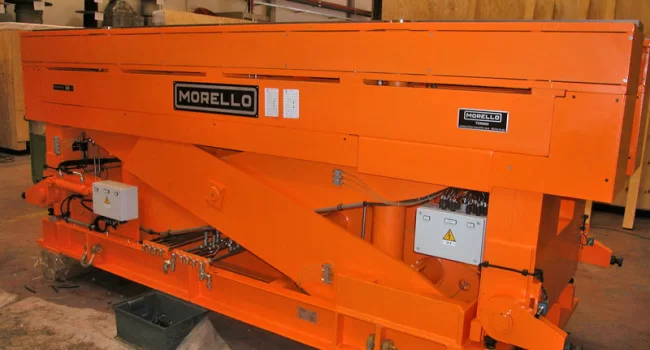
Transfer carts with scissor lift technology represent a significant advancement in material handling solutions, combining horizontal transportation capabilities with vertical lifting functionality in a single integrated system. These specialized vehicles are designed to efficiently move heavy loads across industrial facilities while also providing the ability to raise and lower materials as needed.

At their core, these systems consist of two primary components: a powered transfer cart base that enables precise movement across floor surfaces, and an integrated scissor lift mechanism that provides vertical elevation. This dual functionality eliminates the need for separate lifting equipment and transfer vehicles, streamlining operations and reducing equipment costs.

The scissor lift mechanism works through a series of folding supports arranged in a crisscross pattern that extends vertically when actuated by hydraulic cylinders. As hydraulic pressure increases, the scissor assembly expands, raising the platform to the desired height. When lowered, the compact design allows for easy maneuverability even in confined spaces.

What makes transfer carts with scissor lift particularly valuable in industrial settings is their versatility across applications ranging from maintenance operations to production line integration. The ability to both transport and position heavy materials at precise heights creates opportunities for workflow optimization that traditional material handling equipment simply cannot match.

Key features and capabilities of MORELLO’s transfer cart solutions

MORELLO has established itself as an industry leader in material handling equipment by developing transfer carts with scissor lift capabilities that set new standards for performance, reliability, and customization. The company’s engineering expertise is evident in every aspect of their solutions, from the robust construction to the intuitive control systems.

MORELLO’s transfer carts feature precision-engineered drive systems that provide smooth, controlled movement even when handling loads of several tons. The electric AC motors deliver impressive torque while maintaining energy efficiency, with travel speeds reaching up to 40 meters per minute. The scissor lift platforms offer controlled vertical movement at approximately 3 meters per minute, with lift strokes that can extend beyond 2 meters to accommodate various operational requirements.

What truly distinguishes MORELLO’s solutions is their adaptability to specific industrial environments. The company offers various power supply options, including electric grid connections with convenient cable management systems like spring cable drums. For applications in hazardous environments, MORELLO provides explosion-proof configurations that comply with ATEX and IECEx standards.

Safety features are integrated throughout the design, with stabilizing mechanisms such as screw rod legs that deploy during lifting operations to ensure platform stability. Control systems range from pendant panels for operator-guided movement to fully automated options for integration with broader material handling systems. The combination of these capabilities makes MORELLO’s transfer carts with scissor lift technology exceptionally versatile tools for complex material handling challenges across diverse industrial settings.

Applications across industrial sectors: from maintenance to production

Transfer carts with scissor lift technology have proven their value across numerous industrial environments, adapting to specialized requirements in each sector. The versatility of these systems creates opportunities for operational optimization in diverse applications.

In the energy sector, these transfer carts excel at moving heavy components during maintenance operations for power generation equipment. A prime example is their use in servicing overhead cranes, where the scissor lift function allows maintenance teams to elevate tools and replacement parts directly to the work area, eliminating the need for separate lifting equipment and reducing downtime.

Manufacturing facilities leverage these systems to transport and position heavy materials at precise heights for production line integration. The ability to deliver components at the exact elevation required for assembly operations streamlines workflows and reduces the physical strain on workers who would otherwise need to lift heavy items manually or coordinate multiple pieces of equipment.

In aerospace and defense manufacturing, where precision positioning of large components is critical, transfer carts with scissor lift capabilities provide the controlled movement necessary for aligning complex assemblies. Similarly, in the automotive industry, these systems facilitate the transport and positioning of chassis components, engines, and other heavy subassemblies.

Logistics operations benefit from the dual functionality when loading and unloading heavy goods between different elevation levels without dedicated loading docks. Construction material manufacturers use these systems to move precast concrete elements, steel beams, and other substantial building components through their production facilities with controlled precision that minimizes product damage and enhances worker safety.

Technical specifications and customization options

MORELLO’s transfer carts with scissor lift technology are engineered to meet specific operational requirements through extensive customization options while maintaining core technical excellence. Understanding these specifications is crucial for industrial engineers and operations directors evaluating material handling solutions.

The load capacity of these systems ranges significantly based on design parameters, with standard models capable of handling 8-ton loads while custom configurations can accommodate substantially heavier materials. Platform dimensions are equally adaptable, with typical dimensions around 4,000 x 2,100 mm that can be modified to suit specific cargo profiles.

Power systems offer multiple configurations to match facility infrastructure:

  • Electric grid systems – Connected via cable management solutions for continuous operation
  • Battery-powered options – For applications requiring greater mobility without tethering
  • Hybrid power systems – Combining power sources for operational flexibility

Drive control systems can be tailored to operational needs, from basic pendant control panels to sophisticated programmable logic controllers that integrate with facility management systems. For specialized environments, MORELLO provides explosion-proof configurations compliant with international safety standards.

Mobility options include standard wheeled configurations for smooth surfaces, reinforced systems for uneven terrain, and specialized designs for operating on rails or guided pathways. The scissor lift mechanisms offer customizable stroke lengths, with standard configurations providing vertical travel of approximately 2,400 mm, while lift speeds can be adjusted based on precision requirements and safety considerations.

Additional customization options include specialized stabilization systems, emergency backup power, remote monitoring capabilities, and integration with automated material handling workflows to create truly bespoke solutions for complex industrial challenges.

Maximizing safety and efficiency in material handling operations

When implementing transfer carts with scissor lift technology in industrial environments, prioritizing both safety and operational efficiency creates substantial value for organizations. MORELLO’s engineering approach integrates these priorities throughout their design philosophy.

Safety begins with structural integrity and stability during both transport and lifting operations. The deployment of stabilizing mechanisms, such as the screw rod legs featured in MORELLO’s designs, ensures platform stability during elevation changes, preventing tipping or load shifts that could endanger personnel or damage valuable materials. These systems automatically engage during lifting operations, creating a secure foundation before vertical movement begins.

Control systems incorporate multiple safety features, including emergency stop functions, overload protection, and motion alarms that alert nearby workers to cart movement. Operator interfaces are designed with ergonomics in mind, reducing fatigue during extended operations while maintaining precise control over both horizontal and vertical movements.

From an efficiency perspective, the integration of transport and lifting functions into a single system eliminates the coordination challenges and time delays associated with using separate equipment for these tasks. This consolidation reduces the equipment footprint in busy industrial environments while streamlining workflow processes.

Preventative maintenance programs specifically designed for these dual-function systems help maintain optimal performance throughout their operational lifespan. MORELLO’s engineering team works with clients to develop maintenance protocols that address both the transport mechanisms and lifting systems, ensuring consistent reliability even in demanding industrial environments.

By thoughtfully implementing these safety and efficiency considerations, industrial operations can transform their material handling processes, reducing both operational risks and resource requirements while improving overall productivity.

Transforming material handling with advanced transfer cart technology

Transfer carts with scissor lift capabilities represent a significant advancement in material handling technology, offering industrial operations the dual functionality needed to streamline complex workflows. MORELLO’s commitment to engineering excellence has created solutions that combine robust performance with customized design, addressing the specific challenges faced by operations directors and industrial engineers across energy, construction, and logistics sectors.

By integrating horizontal transport with vertical positioning in a single system, these specialized vehicles deliver measurable improvements in operational efficiency, workplace safety, and resource utilization. The versatility of these systems makes them valuable assets in virtually any industrial environment where heavy materials must be moved and positioned with precision.

Ready to revolutionize your material handling operations? Contact MORELLO’s engineering team today to discuss how a customized transfer cart with scissor lift solution can address your specific operational challenges and help your facility achieve new levels of productivity and safety.

Revolutionize heavy load handling with electrohydraulic lifting platforms

In the demanding world of industrial operations, moving massive equipment efficiently and safely represents one of the most significant challenges for facility managers and engineers. Electrohydraulic lifting platforms stand at the forefront of modern heavy load handling technology, combining powerful hydraulic systems with precise electronic controls to create versatile lifting solutions. These specialized platforms deliver exceptional performance where traditional material handling equipment falls short, particularly when dealing with earth-moving machinery, manufacturing components, and other substantial industrial assets weighing dozens of tons.

MORELLO‘s advanced electrohydraulic lifting platforms exemplify engineering excellence, offering lifting capacities exceeding 33 tons while maintaining precision control throughout operations. This innovative technology transforms complex load management scenarios into streamlined processes, reducing operational risks and increasing productivity across energy, construction, and logistics sectors where handling massive components is a daily necessity.

The engineering behind electrohydraulic lifting platforms

Electrohydraulic lifting platforms represent a masterful integration of mechanical engineering, hydraulic power, and electronic control systems. At their core, these platforms harness the incompressible nature of hydraulic fluid to generate tremendous lifting force while maintaining precise movement control through sophisticated electronic systems. The genius of this design lies in its ability to multiply input force across a relatively compact footprint, enabling platforms like MORELLO’s 33-ton capacity models to handle earth-moving equipment with remarkable stability.

The engineering challenge in creating effective electrohydraulic lifting platforms involves balancing several critical factors. Engineers must calculate optimal pressure distribution across hydraulic cylinders, determine appropriate fluid viscosity for varying temperature conditions, and design structural components capable of withstanding both static and dynamic loads. The platform’s frame undergoes extensive finite element analysis to identify and reinforce stress points, ensuring structural integrity even when handling asymmetrical loads.

What truly distinguishes modern electrohydraulic lifting platforms is the integration of electronic control systems. These provide operators with millimeter-precise positioning capabilities through proportional control valves and position sensors. This level of precision proves essential when lifting sensitive equipment or when operating in confined spaces where clearances may be minimal. The electronic systems also enable safety features like load monitoring, emergency stop functions, and operational data logging for maintenance planning.

Core components and operational principles

Every electrohydraulic lifting platform for heavy loads relies on several essential components working in harmony to deliver reliable performance. Understanding these elements helps industrial engineers appreciate the sophistication behind these seemingly straightforward machines.

The hydraulic power unit (HPU) serves as the system’s heart, consisting of a reservoir, pump, motor, and control valves. This unit generates the hydraulic pressure necessary to lift massive loads, with industrial-grade systems typically operating at pressures between 3,000 and 5,000 psi. The hydraulic cylinders convert this fluid pressure into linear force, with their diameter directly proportional to the lifting capacity. MORELLO’s heavy-duty platforms utilize synchronized multiple-cylinder arrangements to ensure stable, level lifting even with unevenly distributed loads.

On the electrical side, programmable logic controllers (PLCs) coordinate system functions, processing inputs from sensors and operator controls to manage fluid flow precisely. Position and pressure sensors provide constant feedback, allowing the system to maintain exact positioning regardless of load changes. The structural frame ties everything together, engineered with high-strength steel to withstand not just vertical loads but also the shear forces that occur during loading and unloading operations.

Operationally, these systems follow a straightforward principle: electrical energy powers the hydraulic pump, which pressurizes fluid that flows to the cylinders. As fluid enters the cylinders, the pistons extend, raising the platform. Proportional valves control the flow rate, allowing for smooth acceleration and deceleration. This integration of hydraulic power with electronic control creates a system capable of moving massive loads with precision measured in millimeters.

Advantages of electrohydraulic systems for industrial applications

Electrohydraulic lifting platforms deliver significant operational advantages that make them indispensable in heavy industrial environments. These systems have revolutionized material handling across numerous sectors by combining raw power with sophisticated control capabilities.

The primary advantage lies in the exceptional power-to-size ratio. Hydraulic systems can generate tremendous force from relatively compact components, allowing a heavy-duty lifting platform with electrohydraulic system to handle loads exceeding 30 tons while maintaining a manageable footprint. This density of power proves invaluable in facilities where space optimization directly impacts operational efficiency.

Unlike purely mechanical systems, electrohydraulic platforms offer unparalleled positioning precision. Operators can control movement with millimeter accuracy, essential when handling delicate equipment or performing precise assembly operations. The electronic control systems also enable programmable movement profiles, allowing for customized lifting sequences that can be standardized across operations.

Maintenance considerations further distinguish these systems. The self-lubricating nature of hydraulic fluid extends component life, while the modular design of most platforms facilitates targeted maintenance. When a component does require service, technicians can often isolate that section without disabling the entire system.

Energy efficiency represents another significant advantage. Electrohydraulic systems can maintain loads at height with minimal energy consumption once the position is reached. Additionally, modern systems incorporate energy recovery features, capturing potential energy during descent phases and converting it back into usable power.

Finally, these platforms offer exceptional adaptability across varying environmental conditions. With proper fluid selection, electrohydraulic systems can operate reliably in temperature extremes from subfreezing to intensely hot environments, making them suitable for everything from outdoor construction sites to climate-controlled manufacturing facilities.

Safety features and compliance standards

When handling loads exceeding 30 tons, safety becomes paramount. Modern electrohydraulic lifting platforms incorporate multiple redundant safety systems to protect both operators and valuable cargo. MORELLO’s platforms exemplify this commitment to safety through comprehensive protective features integrated throughout the design.

Advanced electrohydraulic lifting platforms include these critical safety elements:

  • Overload protection systems that continuously monitor platform weight and automatically prevent operation if load limits are exceeded
  • Emergency lowering valves that allow controlled descent even during power failures
  • Velocity fuses that instantly lock hydraulic cylinders if a line ruptures, preventing uncontrolled platform drops
  • Pressure relief valves that protect against system overpressurization
  • Perimeter safety sensors that detect obstacles and automatically halt operation

These platforms must comply with stringent international standards including ISO 13849 for safety-related control systems, EN 1570 for lifting table requirements, and ANSI MH29.1 for industrial scissor lifts. Compliance extends beyond mechanical features to include operator interface requirements, emergency stop functionality, and maintenance accessibility.

Manufacturers like MORELLO implement comprehensive testing protocols that exceed minimum compliance thresholds. Each platform undergoes load testing at 125% of rated capacity, cycle testing to verify long-term reliability, and stability testing under various load distributions. This rigorous validation ensures platforms perform safely even under challenging conditions.

For facilities implementing these systems, proper operator training remains essential. The most sophisticated safety features cannot replace well-trained personnel who understand platform limitations, recognize potential hazards, and follow established operational procedures. Leading manufacturers provide detailed training materials and on-site commissioning to ensure safe implementation from day one.

Customization options for specific industry needs

The versatility of electrohydraulic lifting platforms stems largely from their adaptability to specific operational requirements across diverse industries. MORELLO’s engineering approach centers on understanding that each industrial application presents unique challenges requiring tailored solutions rather than one-size-fits-all equipment.

In the energy sector, platforms often require explosion-proof components and specialized surface treatments to withstand corrosive environments. These modifications include sealed electrical enclosures, spark-resistant materials, and hydraulic fluids formulated for extreme temperature ranges. For offshore applications, additional corrosion protection and stabilization systems compensate for vessel movement while maintaining precise positioning.

Manufacturing environments benefit from integration capabilities that allow platforms to communicate with production control systems. Custom interfaces enable synchronization with assembly lines, automated guided vehicles, or robotic systems. Platform surfaces can be engineered with rollers, turntables, or specialized fixtures designed specifically for particular components or assemblies.

Construction and heavy equipment industries often require mobile versions of electrohydraulic lifting platforms. These incorporate self-propelled drive systems, terrain-adaptive undercarriages, and weather-resistant controls. Some specialized units feature adjustable platform geometries that can adapt to irregular loads or challenging access conditions.

The aerospace industry demands extraordinary precision combined with specialized handling surfaces. Platforms designed for this sector often include cushioned contact points, electrostatic discharge protection, and ultra-precise leveling systems accurate to fractions of a millimeter. These platforms must maintain perfect horizontal positioning even when supporting asymmetrical loads with shifting centers of gravity.

MORELLO’s approach to customization involves comprehensive consultation with engineering teams to identify specific operational parameters, environmental conditions, and integration requirements before developing tailored solutions that address these unique challenges while maintaining core safety and performance standards.

Elevating industrial efficiency through advanced lifting technology

Electrohydraulic lifting platforms represent the pinnacle of heavy load handling technology, combining raw power with precision control to transform industrial operations. These sophisticated systems enable facilities to move massive components with confidence while maintaining the precision necessary for delicate positioning tasks. As industries continue to push the boundaries of size and weight in manufacturing and construction, the role of these specialized platforms becomes increasingly central to operational success.

MORELLO’s commitment to engineering excellence is evident in every aspect of our electrohydraulic lifting platforms, from the robust structural components to the sophisticated control systems that ensure safe, efficient operation. Our decades of experience designing custom material handling solutions for the world’s most demanding industries translates into platforms that deliver exceptional performance even in challenging environments.

Ready to transform your heavy load handling operations? Contact MORELLO’s engineering team today to discuss your specific requirements and discover how our custom electrohydraulic lifting platforms can elevate your operational capabilities.

High-capacity coil tilters: revolutionizing steel handling

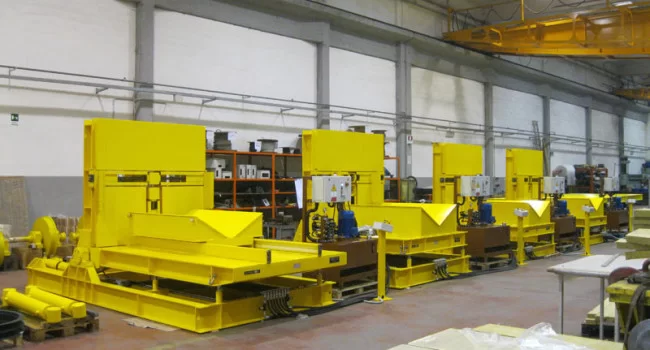
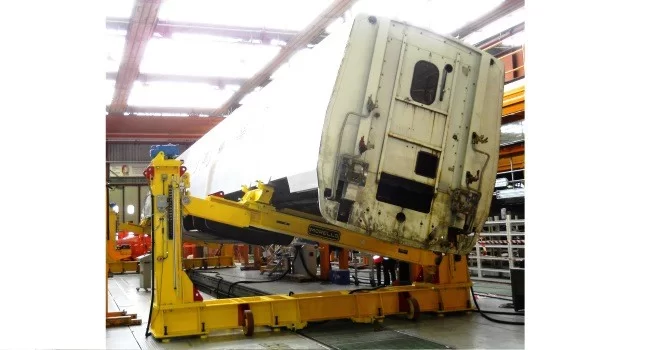
In modern steel processing facilities, efficient material handling is critical to maintaining production flow and worker safety. High-capacity coil tilters represent a cornerstone technology for operations that regularly manage heavy steel coils. These specialized systems enable the precise rotation of massive steel coils from horizontal to vertical positions (or vice versa), facilitating seamless transitions between processing stages. As steel coils often weigh several tons and present significant handling challenges, these robust tilting mechanisms provide controlled movement that protects both valuable materials and personnel.

MORELLO‘s advanced electrohydraulic coil tilters exemplify engineering excellence in this domain, offering solutions capable of handling loads up to 10 tons with remarkable precision. Whether integrated into automated production lines or utilized as standalone equipment, high-capacity coil tilting systems have become indispensable assets for steel manufacturers seeking to optimize their material handling processes while maintaining stringent safety standards.

Understanding high-capacity coil tilters in steel manufacturing

In the steel industry, material handling presents unique challenges due to the weight, dimensions, and sensitivity of steel coils. High-capacity coil tilters are specialized machines designed to rotate heavy steel coils between horizontal and vertical positions, facilitating various manufacturing processes. These robust systems serve as critical interfaces between production stages in modern steel facilities.

The fundamental function of these tilters is straightforward yet essential: they provide controlled rotation of coils that often weigh between 5 and 10 tons—sometimes even more. Without these systems, transitioning coils between processing stations would require multiple crane operations, increasing handling time and safety risks.

What distinguishes high-capacity tilters from standard material handling equipment is their precision despite managing enormous loads. The tilting mechanism typically employs hydraulic or electrohydraulic systems that deliver smooth, controlled movement through a 90° arc. This controlled motion prevents damage to the coil edges and surfaces, which is particularly important for high-grade steel products where surface integrity directly impacts quality.

Most industrial coil tilters feature reinforced saddles designed to accommodate various coil dimensions and weights. The saddle configuration often includes centering mechanisms that automatically position the coil correctly before tilting begins, ensuring balanced rotation and preventing operational hazards.

These systems represent a critical investment for steel processors looking to optimize their production flow while maintaining strict quality control and safety standards throughout their operations.

Technical specifications and capabilities of industrial coil tilters

When examining high-capacity coil tilting systems for steel industries, understanding their technical specifications becomes crucial for selecting appropriate equipment. Industrial coil tilters vary significantly in their design and capabilities, with several key parameters determining their suitability for specific applications.

Load capacity stands as the primary specification, with modern industrial tilters typically handling between 5 to 10 tons as standard configurations. For specialized applications, custom-built systems can accommodate loads exceeding 15 tons. MORELLO’s advanced tilters, for instance, offer precise handling of 10-ton coils with remarkable stability throughout the rotation cycle.

Dimensional considerations also play a vital role in tilter selection. Standard units feature platforms measuring approximately 1900mm × 1870mm, with height specifications around 2000mm. For larger coils, extended platforms reaching dimensions of 3175mm × 1870mm provide necessary accommodation while maintaining operational integrity.

The tilting mechanism itself typically employs one of two configurations:

  • Fixed saddle systems – Offering robust support for standard operations with consistent coil dimensions
  • Motorized saddle systems – Providing adjustable positioning for variable coil sizes, enhancing versatility

Power systems in modern tilters predominantly utilize electrohydraulic technology, delivering smooth, controlled rotation through precisely engineered hydraulic cylinders and electronic control systems. This integration allows for programmable tilt speeds, critical for handling different material grades and weights.

Many contemporary systems also incorporate pallet centering technology, automatically positioning coils for optimal balance before initiating the tilting sequence. This feature significantly enhances operational safety while reducing the potential for material damage during handling procedures.

Key applications and benefits for steel processing operations

High-capacity coil tilters serve multiple critical functions across the steel production value chain, delivering substantial operational advantages for manufacturers. These specialized machines find their primary applications at key transition points in steel processing workflows.

In coil receiving areas, tilters facilitate the transfer of horizontally delivered coils to vertical positions for storage optimization. Conversely, in shipping departments, they reorient vertical coils to horizontal configurations for secure transport. Between these endpoints, tilters enable seamless transitions between various processing stages that require different coil orientations.

The implementation of advanced coil tilting systems yields measurable benefits for steel operations:

  • Productivity enhancement represents perhaps the most significant advantage. By automating the reorientation process, manufacturers eliminate multiple crane operations previously required for coil handling. This streamlining can reduce handling time by up to 40% compared to traditional methods, directly increasing throughput capacity.
  • Quality preservation remains equally important in steel processing. Controlled tilting motions prevent edge damage and surface deformation that commonly occur during manual handling. For high-value steel products, this quality protection translates directly to reduced scrap rates and higher customer satisfaction.
  • Workspace optimization becomes possible through strategic tilter placement. By enabling vertical coil storage, facilities can dramatically increase their storage density while maintaining accessibility. This spatial efficiency proves particularly valuable in operations with limited floor space.
  • Worker safety improves substantially with proper tilter implementation. By eliminating direct worker involvement in manipulating massive coils, companies reduce workplace injury risks while complying with increasingly stringent industrial safety regulations.

These combined benefits make high-capacity coil tilters essential infrastructure for competitive steel processing operations focused on efficiency, quality, and workplace safety.

Safety considerations and operational best practices

When operating high-capacity coil tilters, safety must remain the paramount concern. These powerful machines handle massive steel loads that present significant hazards if improperly managed. Implementing robust safety protocols and operational best practices ensures both personnel protection and equipment longevity.

Proper load assessment constitutes the foundation of safe tilter operation. Operators must verify that coil dimensions and weight fall within the equipment’s specified capacity limits. Even temporary overloading can compromise structural integrity and hydraulic system performance, potentially leading to catastrophic failures. MORELLO’s systems incorporate load monitoring sensors that prevent operation when weight limits are exceeded.

Establishing clear operational zones around tilting equipment significantly reduces accident risks. Designated safety perimeters should be clearly marked and enforced during tilting operations, with access restricted to essential personnel only. Many advanced systems now include proximity detection that automatically halts operations if unauthorized personnel enter restricted zones.

Regular maintenance schedules represent another critical safety component. Hydraulic systems require particular attention, with routine inspection of fluid levels, pressure ratings, and seal integrity. Structural components should undergo regular stress analysis to identify early signs of metal fatigue or structural compromise before failure occurs.

Operator training remains perhaps the most effective safety measure. Personnel should receive comprehensive instruction covering normal operations, emergency procedures, and troubleshooting protocols. This training should include practical demonstrations and supervised operation before independent handling is permitted.

When implementing these safety measures, facilities typically experience significant reductions in workplace incidents. The investment in proper training, maintenance, and operational protocols delivers substantial returns through reduced downtime, lower insurance premiums, and most importantly, enhanced worker safety. For steel manufacturers handling multi-ton coils daily, these considerations represent essential components of operational excellence.

Innovations in electrohydraulic coil tilting technology

The evolution of electrohydraulic coil tilters continues to accelerate, with technological advancements enhancing precision, efficiency, and integration capabilities. These innovations are transforming what was once purely mechanical equipment into sophisticated systems that align with modern smart manufacturing principles.

Variable speed control represents a significant leap forward in tilting technology. Modern electrohydraulic systems now offer programmable motion profiles that adjust tilting speeds based on coil characteristics. This adaptive functionality enables slower, more controlled movement for delicate materials while maintaining efficient handling of standard products. The result is optimized cycle times without compromising material integrity.

Integration with factory automation systems has become increasingly seamless through advanced control interfaces. Contemporary tilters feature programmable logic controllers (PLCs) that communicate with facility-wide management systems, enabling coordinated operations across multiple handling stations. This connectivity facilitates automated workflow sequencing, with tilting operations triggered by upstream process completion signals.

Remote monitoring capabilities now allow maintenance teams to track system performance in real-time. Pressure sensors, position encoders, and temperature monitors provide continuous data streams that identify potential issues before they cause operational disruptions. This predictive maintenance approach dramatically reduces unplanned downtime compared to traditional scheduled service intervals.

Energy efficiency improvements have also emerged as a focus area in recent designs. Regenerative hydraulic systems now capture and reuse energy during the controlled descent phase of tilting operations. This technology can reduce power consumption by up to 30% compared to conventional hydraulic systems, delivering significant operational cost savings over equipment lifespans.

MORELLO’s latest generation of high-capacity coil tilters exemplifies these technological advances, offering industry-leading precision through proportional valve technology combined with robust construction that ensures reliability even in demanding 24/7 production environments. These innovations continue to expand the capabilities of coil handling systems while reducing their operational footprint and energy requirements.

Advancing steel processing with precision tilting solutions

High-capacity coil tilters represent a critical investment for steel manufacturers seeking to optimize their material handling processes. These specialized machines deliver substantial benefits across multiple operational dimensions—enhancing productivity, preserving product quality, optimizing workspace utilization, and significantly improving worker safety. As electrohydraulic technology continues to evolve, these systems are becoming increasingly sophisticated, offering greater precision, efficiency, and integration capabilities.

MORELLO stands at the forefront of this technological advancement, delivering custom-engineered tilting solutions that address the specific needs of steel processors worldwide. Our extensive experience in designing and manufacturing high-capacity material handling equipment ensures that each tilting system meets the rigorous demands of modern steel operations.

Ready to transform your steel coil handling processes? Contact MORELLO today to discuss how our custom-engineered high-capacity coil tilters can enhance your operational efficiency while maintaining the highest standards of safety and reliability.

Ladle transfer carts with load cells: precision steel handling

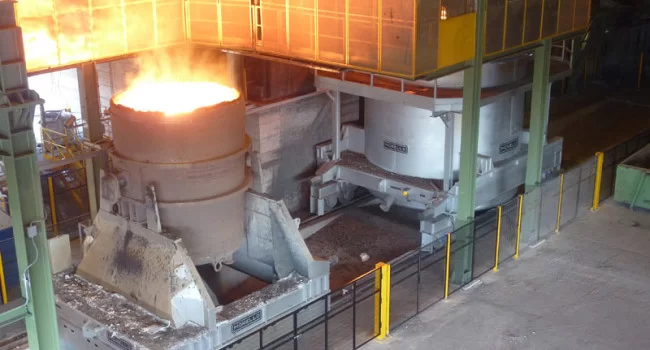
In the demanding environment of steel manufacturing, precision and reliability are non-negotiable. Ladle transfer carts with load cells represent a critical advancement in steel handling technology, offering both safe transportation and accurate weight measurement of molten steel. These specialized vehicles are engineered to withstand extreme temperatures while providing consistent performance in the challenging conditions of steel mills.

MORELLO has developed sophisticated ladle transfer cart systems that integrate robust load cells, enabling precise weighing capabilities while transporting heavy steel ladles across production facilities. This dual functionality optimizes operational efficiency by eliminating separate weighing processes and provides real-time data on steel quantities. For industrial engineers and operations directors in steel production facilities, these purpose-built transfer carts deliver the perfect balance of durability, precision, and operational efficiency required to maintain continuous production schedules and meet strict quality control standards.

Engineering precision: the anatomy of a ladle transfer cart with load cells

Ladle transfer carts with load cells represent a sophisticated engineering solution for steel manufacturing facilities where precision material handling is critical to operational success. These specialized vehicles are designed to transport and weigh steel ladles containing molten metal, often exceeding temperatures of 1500°C, while providing accurate weight measurements throughout the production process.

At MORELLO, we’ve engineered our ladle transfer cart systems to withstand these extreme conditions while delivering exceptional performance. Our recent project for a Romanian steel mill demonstrates the advanced capabilities of these systems—a self-propelled transfer cart with a 190-ton capacity, designed specifically for continuous operation in high-temperature environments.

What sets a high-quality ladle transfer cart apart from conventional material handling equipment? The answer lies in several critical design elements:

  • Robust structural framework – Engineered to support extreme loads while maintaining dimensional stability under thermal stress
  • Precision wheel systems – Steel wheels designed for rail guidance that ensure accurate positioning despite heavy loads
  • Advanced drive systems – AC motors that deliver consistent power for smooth movement at controlled speeds (typically 18 m/min with full load)
  • Integrated load cell technology – Compression load cells strategically positioned to provide accurate weight measurements regardless of load distribution
  • Thermal protection systems – Heat shields and specialized materials that protect sensitive components from radiant heat

The dimensional specifications of these carts are equally impressive. Our standard models for heavy-duty steel handling applications typically measure around 7,600 x 5,200 mm, providing ample platform space for secure ladle positioning while maintaining maneuverability within confined plant layouts.

Heat resistance and continuous operation capabilities

Steel manufacturing environments present unique challenges for equipment reliability. With ambient temperatures often exceeding 50°C and radiant heat from molten metal creating localized hot spots, standard industrial equipment simply cannot withstand these conditions. Our ladle transfer carts are specifically engineered for 24/7 operation in these extreme environments.

The heat resistance capabilities begin with material selection. High-temperature steel alloys form the structural components, while specialized heat-resistant coatings protect surfaces directly exposed to radiant heat. Critical components like motors, electrical systems, and hydraulics are strategically positioned and shielded to prevent thermal degradation.

Continuous operation capability depends on more than just heat resistance. The entire system must be designed with redundancy and reliability as primary considerations. This includes:

  • Oversized drive components that operate well below their maximum rated capacity, extending service life and reducing failure risk.
  • Sealed bearing systems with high-temperature lubricants that maintain performance despite thermal cycling.
  • Enhanced cooling systems for electrical components, ensuring stable operation regardless of ambient conditions.

Load cell technology for precise steel weighing

Perhaps the most significant advancement in modern ladle transfer cart design is the integration of high-precision load cell technology. Our systems typically incorporate four compression load cells positioned to support the ladle platform while providing real-time weight measurements.

The precision achieved by these systems is remarkable—our Romanian steel mill implementation delivers accuracy within ±50 kg, even when measuring loads approaching 190 tons. This represents a precision level of approximately 0.026%, far exceeding traditional industrial weighing systems.

This weighing capability transforms the transfer cart from a simple transport device into a critical quality control instrument. Steel producers can:

  • Monitor exact quantities of molten steel throughout the production process.
  • Track material losses during transfer operations.
  • Verify conformance to production specifications without additional handling steps.
  • Document precise material weights for quality assurance and customer certification.

Integration of auxiliary systems: argon and compressed air

Modern steel production often requires additional process controls beyond simple transport. Our ladle transfer carts integrate essential auxiliary systems, including argon gas delivery and compressed air systems, directly into the cart design.

The argon system provides inert gas coverage for sensitive steel grades, preventing oxidation and maintaining precise alloy chemistry during transport. This integration eliminates the need for separate gas delivery systems and reduces the risk of quality issues during ladle transfers.

Compressed air systems support multiple functions, from pneumatic controls to auxiliary cooling. By integrating these systems directly into the cart design, we eliminate external connections that could limit mobility or create safety hazards.

Custom control software for operational safety and efficiency

The sophisticated capabilities of modern ladle transfer carts with load cells require equally advanced control systems. At MORELLO, we develop custom software solutions in collaboration with our clients, ensuring that each system meets the specific operational requirements of their facility.

Our control systems typically include both PLC-based automation and potentiometric radio remote controllers, providing operators with precise control from safe distances. Safety features are paramount, with multiple redundant systems protecting both equipment and personnel.

The software integration extends beyond basic movement control to include:

  • Real-time weight monitoring with data logging capabilities.
  • Integration with facility management systems for production tracking.
  • Diagnostic monitoring of critical components to predict maintenance needs.
  • Automated positioning systems for precise ladle placement.

For facilities with hazardous environments, we offer ATEX/IEC Ex/Hazloc conformant systems, ensuring safe operation even in potentially explosive atmospheres. This level of customization ensures that each ladle transfer cart system performs optimally within its specific operational context while maintaining the highest safety standards.

Advancing steel handling precision with integrated technologies

Ladle transfer carts with load cells represent the pinnacle of modern steel handling technology, combining robust transport capabilities with precise weight measurement in a single integrated system. MORELLO’s engineering approach—emphasizing thermal resistance, measurement precision, auxiliary system integration, and sophisticated control software—delivers solutions that enhance both operational efficiency and product quality in steel manufacturing environments. These purpose-built systems provide the reliability and precision required for continuous operation in one of industry’s most demanding contexts.

For steel producers seeking to optimize their material handling processes while enhancing quality control, MORELLO offers custom-engineered solutions tailored to specific operational requirements. Our experienced engineering team works closely with customers to develop ladle transfer systems that address unique facility layouts, process requirements, and safety considerations. Contact MORELLO today to discuss how our advanced ladle transfer cart technologies can enhance your steel production operations with uncompromising reliability and precision.

Optimizing steel operations: advanced ladle and vessel trolley systems

In the demanding environment of steel manufacturing, the efficient movement of molten metal is critical to operational success. Ladle and vessel trolleys represent specialized material handling solutions designed to transport heavy, high-temperature containers safely and precisely throughout production facilities. These robust transport systems are engineered to handle loads exceeding 170 tons while maintaining strict safety standards and operational reliability.

MORELLO‘s custom-engineered ladle and vessel trolleys are specifically designed to meet the unique challenges of steel industry operations, where precision movement, thermal resistance, and structural integrity are non-negotiable requirements. These specialized trolleys serve as the backbone of modern steel production logistics, enabling the seamless transfer of molten metal between various stages of the manufacturing process while minimizing production delays and maximizing facility throughput.

The critical role of ladle and vessel trolleys in steel production

Steel production represents one of the most demanding industrial environments, where the efficient movement of molten metal directly impacts productivity, safety, and profitability. At the heart of this logistical challenge are ladle and vessel trolleys – specialized transport systems engineered to handle extreme conditions while ensuring precise material flow throughout the facility.

These robust trolleys serve multiple critical functions in modern steel manufacturing operations:

  • Transporting molten steel between furnaces, casting areas, and processing stations
  • Maintaining precise temperature control during transport to prevent premature solidification
  • Ensuring continuous production flow by minimizing transfer times
  • Protecting personnel from hazardous proximity to high-temperature materials
  • Preventing costly spills or accidents that could damage equipment or halt production

With capacities exceeding 170 tons, these specialized transport systems must combine structural integrity with precise maneuverability. The design must account for thermal expansion, weight distribution, and operational reliability in environments where downtime can cost thousands of dollars per minute.

MORELLO’s ladle and vessel trolley systems are engineered specifically for these demanding conditions, incorporating decades of experience in heavy material handling. Each system is designed with redundant safety features and precision controls that allow operators to move massive quantities of molten steel with confidence and accuracy, maintaining the production pace required in modern steel manufacturing facilities.

Engineering considerations for high-capacity steel transport systems

Designing ladle and vessel trolleys for steel industry operations requires specialized engineering expertise that addresses multiple technical challenges simultaneously. These transport systems must be built to exacting specifications that account for extreme conditions while maintaining operational reliability.

The structural framework of these trolleys represents a masterclass in industrial engineering. For instance, MORELLO’s SBR series trolleys feature reinforced chassis designs capable of supporting loads up to 170 tons while maintaining dimensional stability under thermal stress. The engineering team must calculate precise load distribution across multiple axles to prevent chassis deformation and ensure smooth operation even when fully loaded.

Propulsion systems for these specialized trolleys typically employ hydraulic or electric drive configurations with redundant power sources to eliminate the possibility of stranding a ladle of molten steel during transport. Variable frequency drives allow for precise speed control during critical movements, particularly when approaching casting positions where millimeter-level accuracy is required.

Thermal management represents another critical engineering challenge. Components near the ladle must withstand radiant heat from containers holding steel at temperatures exceeding 1600°C. This necessitates the use of heat-resistant materials, strategic component placement, and sometimes active cooling systems for sensitive electronic components.

The dimensional requirements for these systems are equally demanding. A typical ladle trolley like MORELLO’s SBR 4R measures approximately 6370 x 5220 mm, while larger vessel trolleys such as the SBR 8R can reach 8740 x 6300 mm. These substantial footprints must navigate through facility layouts with precise clearances, requiring careful consideration of turning radii and operational envelopes during the design phase.

Safety features and operational benefits of modern trolley systems

Modern ladle and vessel trolley systems integrate sophisticated safety features that transform what was once a high-risk operation into a controlled, predictable process. These advanced systems prioritize both personnel protection and operational continuity through multiple layers of safety engineering.

MORELLO’s approach to safety in ladle and vessel trolleys begins with comprehensive obstacle detection systems that utilize a combination of optical sensors, pressure-sensitive bumpers, and proximity alerts. These systems automatically adjust vehicle speed or initiate controlled stops when potential hazards are detected, preventing collisions in busy production environments.

Remote operation capabilities represent another significant safety advancement. Control systems allow operators to manage transport operations from a safe distance, removing personnel from proximity to extreme temperatures and potential splash zones. Advanced interfaces provide operators with real-time feedback on trolley status, load distribution, and system diagnostics.

Beyond safety, these modern systems deliver substantial operational benefits. Precision positioning capabilities allow for exact alignment with pouring stations, reducing transfer times and minimizing temperature loss during transport. This precision directly impacts product quality by maintaining consistent metal temperatures throughout the production process.

The implementation of regenerative braking systems in electric trolleys recovers energy during deceleration, reducing overall power consumption while providing superior speed control. Additionally, modular component design facilitates rapid maintenance, with easy access to critical systems that can be serviced or replaced with minimal downtime.

Perhaps most importantly, these advanced trolley systems contribute to process standardization, creating repeatable, measurable transport operations that integrate seamlessly with broader manufacturing execution systems and production planning protocols.

Customization options for diverse steel manufacturing environments

Steel manufacturing facilities vary significantly in their layout, production methodologies, and specific requirements. Recognizing this diversity, MORELLO approaches each ladle and vessel trolley project with a customization-first philosophy that adapts to facility-specific challenges rather than forcing standardized solutions onto unique operational environments.

The customization process begins with a comprehensive facility assessment that evaluates existing infrastructure, production flow patterns, and specific operational constraints. This analysis informs decisions about trolley dimensions, load capacities, power systems, and control interfaces. For instance, facilities with limited clearance might require specialized low-profile designs, while operations with multiple production lines may benefit from omnidirectional steering capabilities.

Propulsion systems represent another key customization area. While traditional rail-guided systems offer simplicity and reliability for linear transport routes, self-propelled wheeled units provide greater flexibility for complex facility layouts. Hybrid systems combining both approaches can be implemented to maximize efficiency across different operational zones.

Interface customization ensures seamless integration with existing production control systems. MORELLO’s engineering team develops control solutions ranging from standalone operator consoles to fully integrated systems that communicate with facility-wide manufacturing execution systems. This adaptability allows for varying levels of automation based on client requirements and budget constraints.

Environmental adaptations address specific facility conditions such as extreme temperatures, corrosive atmospheres, or outdoor operation. Specialized sealing systems protect sensitive components from dust and debris, while climate control systems maintain optimal operating temperatures for electronic systems in high-heat environments.

Through this comprehensive customization approach, each ladle and vessel trolley becomes a purpose-built solution that addresses the unique challenges of its operating environment while maintaining the reliability and performance standards essential for steel manufacturing operations.

Maintenance strategies to maximize trolley longevity and performance

The harsh operating conditions of steel manufacturing facilities place extraordinary demands on ladle and vessel trolleys. Implementing comprehensive maintenance strategies is essential for maximizing equipment lifespan and ensuring consistent performance throughout years of service. MORELLO’s approach to maintenance combines preventive protocols with advanced diagnostic technologies to minimize downtime while extending operational life.

Preventive maintenance schedules are tailored to each facility’s operational pace, with more frequent inspections for components exposed to extreme conditions. These schedules typically include systematic evaluation of structural elements, drive systems, control electronics, and safety features. Special attention is given to components subject to thermal cycling, which can accelerate wear through repeated expansion and contraction.

Predictive maintenance technologies have revolutionized trolley reliability by identifying potential failures before they occur. Vibration analysis can detect bearing wear or alignment issues, while thermal imaging identifies hot spots that might indicate electrical problems or excessive friction. These technologies allow maintenance teams to address developing issues during scheduled downtime rather than responding to catastrophic failures.

MORELLO’s modular component design philosophy facilitates efficient maintenance by allowing quick replacement of wear items without extensive disassembly. This approach is particularly valuable for drive components and steering systems that experience continuous stress during operation. Standardized components across trolley models further simplify maintenance by reducing the variety of spare parts facilities must maintain in inventory.

Remote diagnostic capabilities enable MORELLO’s technical support team to evaluate system performance and troubleshoot issues without on-site visits. This capability reduces diagnostic time and allows for more precise preparation when field service is required. The resulting maintenance efficiency translates directly to improved uptime and extended service life for these critical production assets.

Elevating steel production through advanced material handling

Ladle and vessel trolleys represent a critical link in modern steel manufacturing operations, where efficiency, safety, and reliability directly impact production outcomes. MORELLO’s commitment to engineering excellence has established new benchmarks for these specialized transport systems, delivering solutions that address the unique challenges of molten metal handling in demanding industrial environments. By combining robust structural design with advanced control systems and customizable configurations, these trolleys enable steel producers to optimize their material flow while minimizing operational risks.

Whether you’re planning a facility upgrade, replacing aging equipment, or designing an entirely new production line, partnering with experienced specialists in heavy material handling is essential for success. MORELLO’s engineering team brings decades of expertise to each project, ensuring your ladle and vessel trolley systems meet your specific operational requirements while delivering the reliability your production schedule demands. Explore our specialized solutions for the steel industry and discover how our custom-engineered transport systems can transform your material handling operations.

Precision railway wagon weighing: innovative load measurement system

In the railway industry, accurate load measurement is critical for operational safety, efficiency, and compliance with regulatory standards. The railway wagon weighing system represents a significant advancement in how railway companies monitor and manage load distribution. MORELLO, a global leader in customized machinery for heavy load handling, has developed an innovative solution that precisely measures a wagon’s barycenter during curve navigation.

This breakthrough technology addresses one of the most challenging aspects of railway operations: maintaining stability and safety while transporting heavy loads through varying track geometries. By providing real-time, accurate measurements, this system helps prevent derailments, reduces track wear, and optimizes fuel efficiency. For industrial engineers and operations directors in the transportation sector, this technology offers unprecedented control over railway cargo management, ensuring both safety and operational excellence.

The engineering behind railway wagon weighing systems

Railway wagon weighing systems represent a sophisticated integration of mechanical engineering, sensor technology, and data analytics. The fundamental principle involves measuring the force exerted by a wagon on the track, translating this into accurate weight measurements even as the vehicle moves through curved sections. Unlike static weighing platforms, a railway wagon weighing system for accurate load measurement must account for dynamic forces, including lateral pressure, centrifugal force, and weight shifts during movement.

The engineering challenge lies in creating a system that can distinguish between the actual cargo weight and the various forces generated during train movement. MORELLO’s innovative approach incorporates precision load cells strategically positioned to capture multi-directional force data. These sensors communicate with advanced algorithms that filter out movement-related variations, providing real-time barycenter calculations.

What makes this system particularly valuable is its ability to measure weight distribution across the entire wagon while in motion. This dynamic measurement capability helps identify potential stability issues before they become critical safety concerns. The system can detect when load shifts occur during transit, allowing operators to take corrective action before reaching critical curve sections where derailment risks increase significantly.

Key components of the measurement technology

The effectiveness of MORELLO’s railway wagon weighing system for accurate load measurement stems from its carefully engineered components working in harmony. Each element plays a crucial role in ensuring measurement precision under dynamic conditions.

The system architecture consists of several integrated technologies:

  • High-precision load cells: Strain gauge-based sensors capable of measuring both vertical and lateral forces with accuracy within 0.1% of the applied load, even during movement.
  • Accelerometers and gyroscopes: Motion-sensing devices that track the wagon’s orientation, speed, and acceleration through curves, providing contextual data for measurement calibration.
  • Central processing unit: A ruggedized computer system that analyzes inputs from all sensors, applies compensation algorithms, and calculates real-time barycenter coordinates.
  • Wireless communication module: Transmits processed data to operators and control systems, enabling immediate response to detected weight distribution issues.
  • Environmental compensation system: Adjusts for temperature variations, track irregularities, and other external factors that could affect measurement accuracy.

What distinguishes MORELLO’s solution is its integration of these components into a cohesive system that maintains accuracy regardless of track conditions. The technology employs advanced filtering algorithms to distinguish between actual load-related forces and transient effects from movement, ensuring that operators receive reliable data about wagon loading status even during complex maneuvers through curved sections.

Achieving accuracy in dynamic load measurement

The greatest challenge in developing a railway wagon weighing system lies in maintaining precision while the wagon is in motion, particularly when navigating curves. Static weighing is relatively straightforward, but dynamic measurement introduces numerous variables that can compromise accuracy.

MORELLO’s engineers have overcome these challenges through several innovative approaches. First, the system employs multiple measurement points rather than relying on a single sensor location. This distributed sensing network creates a comprehensive force profile across the entire wagon, enabling more precise barycenter calculations.

Another critical factor is the sampling rate. The system captures data at frequencies exceeding 1000 Hz, allowing it to detect subtle weight shifts that occur in milliseconds. This high-frequency sampling is paired with sophisticated signal processing that filters out vibration noise while preserving genuine weight distribution data.

Calibration represents another essential aspect of accuracy. The system continuously self-calibrates by comparing measurements against known reference points and making micro-adjustments to compensate for environmental factors like temperature fluctuations and track irregularities.

Perhaps most impressive is the system’s ability to account for centrifugal forces during curve navigation. By incorporating the track’s radius of curvature, train velocity, and wagon geometry into its algorithms, the system can distinguish between actual load distribution and the apparent weight shift caused by centripetal acceleration. This allows operators to identify genuinely problematic load configurations that might lead to derailment, while ignoring normal physics-based weight shifts that pose no safety risk.

Implementation challenges and solutions in railway environments

Deploying a railway wagon weighing system in real-world railway operations presents numerous challenges beyond the technical aspects of measurement accuracy. Railway environments are notoriously harsh, with extreme temperature variations, constant vibration, exposure to moisture, and electromagnetic interference from traction systems.

MORELLO addressed these implementation challenges by developing ruggedized hardware with IP67-rated enclosures that protect sensitive electronics from dust and water ingress. The system components undergo extensive shock and vibration testing to ensure reliability under the constant movement experienced in railway operations.

Power management represents another significant challenge. The system incorporates an independent power supply with backup capabilities, ensuring continuous operation even during main power fluctuations. Energy harvesting technologies, including vibration-to-electricity converters, supplement the power requirements, extending operational time between maintenance intervals.

Integration with existing railway infrastructure demanded careful consideration. MORELLO’s engineers designed the system to be retrofitted to standard wagon configurations without requiring extensive modifications. The non-invasive installation process minimizes downtime and preserves the structural integrity of the wagon.

Data security and reliability concerns were addressed through redundant communication channels and encryption protocols. The system maintains local data storage with automatic synchronization to central servers when connectivity is available, preventing data loss during communication interruptions.

Perhaps most importantly, MORELLO worked closely with railway operators to develop intuitive interfaces that present complex measurement data in actionable formats. This human-centered design approach ensures that the technical sophistication of the system translates into practical operational benefits.

Future applications and benefits for the transportation industry

The railway wagon weighing system developed by MORELLO represents just the beginning of a technological evolution in railway operations. As this technology matures, its applications will extend far beyond basic load measurement, transforming multiple aspects of the transportation industry.

Predictive maintenance stands as one of the most promising applications. By continuously monitoring load distribution patterns, the system can detect subtle changes that might indicate developing structural issues in wagons before they become visible through traditional inspection methods. This predictive capability could dramatically reduce maintenance costs while improving fleet availability.

The technology also opens new possibilities for route optimization. With precise understanding of load distribution across entire trains, operators can make data-driven decisions about speed restrictions through specific track sections, potentially increasing average speeds while maintaining safety margins. This optimization could significantly improve delivery times and operational efficiency.

From a regulatory perspective, the system provides unprecedented documentation capabilities. Transportation companies can demonstrate compliance with weight restrictions and load distribution requirements through comprehensive digital records, streamlining inspections and reducing compliance-related delays.

Perhaps most significantly, this technology could influence future wagon design. The detailed data collected about dynamic load behavior will help engineers develop next-generation rolling stock with optimized weight distribution characteristics, potentially allowing for increased carrying capacity without compromising safety.

As integration with other smart transportation systems progresses, this weighing technology will become a crucial component in fully digitalized railway operations, contributing to the broader transformation toward more efficient, safer, and more sustainable freight transportation.

Advancing railway operations through precision measurement

The railway wagon weighing system for accurate load measurement represents a significant advancement in railway safety and operational efficiency. By providing real-time data on load distribution during curve navigation, MORELLO has addressed one of the most challenging aspects of railway transportation. This innovative technology not only enhances safety by preventing potential derailments but also optimizes operational parameters, reduces maintenance costs, and extends infrastructure lifespan through proper load management.

As the transportation industry continues to evolve toward greater efficiency and sustainability, technologies like this weighing system will play an increasingly vital role. For railway operators seeking to enhance their operational capabilities while maintaining the highest safety standards, implementing advanced measurement solutions is no longer optional—it’s essential for competitive advantage.

Ready to transform your railway operations with cutting-edge load measurement technology? Explore MORELLO’s custom heavy load handling solutions and discover how our engineering expertise can address your most challenging transportation requirements.

7-ton mold cart handler: revolutionizing industrial applications

In today’s demanding industrial environments, the efficient movement of heavy molds is critical to maintaining production flow and operational excellence. The 7-ton mold cart handler represents a significant advancement in material handling technology, offering manufacturing facilities a versatile solution for transporting and positioning heavy molds with precision and safety. Designed specifically for industrial applications where traditional handling methods fall short, these specialized electric vehicles combine robust load capacity with advanced maneuverability to optimize workflow in confined spaces. For operations managers and industrial engineers facing the challenge of mold transportation between storage areas and presses, these handlers provide a comprehensive solution that eliminates dependency on overhead cranes while enhancing workplace safety. This article explores how MORELLO‘s 7-ton mold cart handler is transforming industrial applications through innovative design, semi-automated functionality, and adaptability to complex manufacturing environments.

Advanced omnidirectional steering capabilities for precision mold handling

The engineering behind MORELLO’s mold cart handler represents a significant breakthrough in industrial mobility solutions. Unlike conventional material handling equipment, these specialized vehicles incorporate multidirectional steering systems that transform how manufacturing facilities manage heavy molds. The omnidirectional steering capability allows operators to navigate through congested factory floors with unprecedented precision and flexibility.

What makes this technology truly remarkable is the variety of movement patterns available at the operator’s fingertips. The handler can execute traditional car-like steering for longer distances, shift to 90-degree wheel positioning for lateral movements, rotate on its central axis in carousel mode, move diagonally across spaces, or pivot around front or rear points in compass steering mode. This versatility proves invaluable when maneuvering in confined spaces between machinery or navigating through narrow production aisles where conventional handling equipment would struggle.

For manufacturing engineers, this adaptability translates to significant operational advantages. The ability to position molds with millimeter precision directly in front of presses eliminates the alignment challenges that typically plague heavy mold installation processes. By reducing positioning time and increasing accuracy, production downtime between mold changes decreases substantially, contributing to higher overall equipment effectiveness (OEE) metrics that modern manufacturing facilities strive to optimize.

Semi-automatic positioning technology for enhanced workflow efficiency

Beyond manual operation, the 7-ton mold cart handler integrates sophisticated semi-automatic positioning technology that dramatically improves workflow efficiency in industrial environments. This intelligent system represents a significant advancement in precision material handling, bridging the gap between fully manual operations and completely automated solutions.

When approaching a press, the handler’s onboard sensors continuously monitor its position relative to the target destination. MORELLO’s proprietary software algorithms process this spatial data in real-time, calculating the optimal approach path and final positioning coordinates. The operator simply maintains pressure on a dedicated safety button while the system executes precise alignment maneuvers automatically. This human-in-the-loop approach maintains critical safety oversight while leveraging automation for accuracy.

The practical benefits of this semi-automatic technology extend throughout the production process. Precise positioning eliminates the trial-and-error adjustments common with manual systems, reducing cycle time by up to 40% during mold changes. The system’s ability to consistently achieve perfect alignment also minimizes the risk of equipment damage during mold transfers – a significant consideration when handling components worth hundreds of thousands of dollars.

Additionally, the handler’s push-pull mechanism works in harmony with the positioning system, enabling smooth transitions of molds weighing up to 7 tons between the handler and press. This integrated approach eliminates the need for additional equipment during mold changes, streamlining the entire workflow and allowing facilities to maintain production schedules even with frequent mold rotations.

Electric mold cart handler features and benefits in modern manufacturing

The fully electric design of MORELLO’s mold cart handler delivers substantial advantages over hydraulic alternatives in contemporary manufacturing environments. This all-electric approach represents a fundamental shift in heavy material handling philosophy, prioritizing precision, reliability, and environmental responsibility without sacrificing power or performance.

The electric mold cart handler utilizes high-efficiency AC brushless motors for both drive and steering functions, eliminating the hydraulic systems traditionally associated with heavy-duty industrial equipment. This design choice yields multiple operational benefits:

  • Enhanced precision: Electric actuators provide micrometer-level positioning accuracy impossible with hydraulic systems prone to drift and leakage
  • Reduced maintenance requirements: Fewer moving parts and no hydraulic fluid mean significantly lower maintenance costs and increased uptime
  • Quieter operation: Electric motors generate substantially less noise, improving workplace conditions and communication
  • Energy efficiency: Advanced battery management systems optimize power consumption, extending operational runtime between charges
  • Zero emissions: Fully electric operation produces no local emissions, supporting clean manufacturing initiatives

With a travel speed of 30 meters per minute and a battery range of 5 kilometers per charge, these handlers maintain productivity while offering the maneuverability needed for complex manufacturing environments. The elimination of hydraulic components also means no risk of fluid leaks that could contaminate production areas or finished products – a critical consideration in precision manufacturing industries.

The electric architecture further enables superior control system integration, allowing real-time performance monitoring and diagnostic capabilities that help prevent unplanned downtime through predictive maintenance protocols.

Safety innovations for industrial applications

When moving seven-ton loads through active manufacturing environments, safety becomes paramount. MORELLO has implemented comprehensive safety systems in their mold cart handlers that go beyond regulatory compliance to establish new benchmarks for industrial material handling security.

At the core of this safety architecture is a sophisticated triple laser scanner system strategically positioned to create a 360-degree safety perimeter around the vehicle. These scanners continuously monitor the surrounding environment, creating dynamic safety zones that adapt to the handler’s speed and direction. When an obstacle enters the outer warning zone, the system automatically reduces speed to provide operators more reaction time. If an object approaches the inner protection zone, the handler comes to a complete controlled stop, preventing potential collisions.

This multi-layered approach to obstacle detection is particularly valuable in busy manufacturing facilities where personnel and equipment move unpredictably. The system distinguishes between static and moving obstacles, applying appropriate response protocols for each scenario without unnecessary workflow interruptions.

Beyond collision avoidance, the handler incorporates additional safety features including emergency stop buttons accessible from multiple positions, operator presence detection, load stability monitoring, and automatic braking systems that engage instantly when power is cut. The radio remote controller allows operators to maintain safe distances during critical operations while retaining precise control.

For facilities requiring specialized safety compliance, MORELLO offers ATEX/IEC Ex conforming versions suitable for potentially explosive atmospheres, extending the application range to chemical processing, oil and gas, and other hazardous environments. This comprehensive safety approach ensures that the substantial power required to move heavy molds is always under intelligent control, protecting both personnel and valuable equipment.

Customization options and global implementation of mold handling solutions

MORELLO’s approach to industrial material handling centers on adaptability, recognizing that manufacturing environments vary dramatically across industries and regions. The 7-ton mold cart handler represents a foundation that can be extensively customized to meet specific operational requirements rather than forcing facilities to adapt their processes to equipment limitations.

While the standard model offers impressive capabilities, MORELLO’s engineering team regularly implements client-specific modifications across multiple dimensions. Load capacity can be scaled from the standard 7 tons up to over 100 tons for specialized heavy manufacturing applications. Physical dimensions, originally set at 2,600 x 2,200 mm, can be reconfigured to navigate specific facility layouts or accommodate uniquely sized molds.

Power system options extend beyond standard lead-acid batteries to include gel, lithium-ion, and other advanced energy storage technologies based on runtime requirements, charging infrastructure, and environmental conditions. For facilities with existing fleet management systems, communication protocols can be customized to integrate the handlers into broader material handling networks.

This flexibility has enabled successful implementations across diverse global markets, with MORELLO delivering custom mold handlers throughout North America, Europe, South and Central America, Asia, and Australia. Each regional deployment incorporates adaptations for local regulatory requirements, power standards, and operational practices while maintaining core performance capabilities.

Beyond the handlers themselves, MORELLO frequently develops complementary equipment like the specialized mold supports mentioned in the case study. These supports create complete material handling ecosystems that maximize efficiency by enabling continuous operations – while one mold is in use on the press, another can be prepared and ready for the next production cycle, minimizing changeover times and enhancing overall productivity.

Transforming industrial mold handling through engineering excellence

The 7-ton mold cart handler represents a significant advancement in industrial material handling technology, combining robust capacity with precision control and safety features that address the complex challenges of modern manufacturing environments. By eliminating dependency on overhead cranes, enhancing positioning accuracy, and improving operational efficiency, these specialized vehicles deliver measurable improvements in productivity, safety, and equipment utilization across global manufacturing operations.

As production demands continue to evolve, the ability to customize material handling solutions becomes increasingly valuable. MORELLO’s commitment to engineering excellence ensures that each implementation precisely addresses the unique requirements of specific industrial applications, from basic transportation needs to complex semi-automated workflows.

Ready to optimize your mold handling operations? Contact MORELLO today to discuss how our customized material handling solutions can transform your manufacturing efficiency and overcome your most challenging heavy load movement obstacles.

Advanced battery-operated transporters with load cells: industrial power

In modern industrial environments where precision, safety, and efficiency are paramount, battery-operated transporters with load cells represent a technological breakthrough for material handling operations. These sophisticated vehicles combine autonomous mobility with precise weight measurement capabilities, creating an intelligent solution for moving heavy loads across manufacturing facilities, warehouses, and construction sites. MORELLO’s advanced battery-operated transporters integrate cutting-edge load cell technology to provide real-time weight monitoring, preventing operational hazards and optimizing load management. This integration of power systems and measurement technology delivers unprecedented control and safety for industrial operations handling critical components, dies, coils, and oversized materials. As industries worldwide face increasing pressure to improve safety standards while maximizing productivity, these specialized transporters offer a comprehensive solution that addresses both challenges simultaneously, transforming how heavy materials are moved in complex industrial settings.

The evolution of battery-operated transporters in industrial environments

Industrial material handling has undergone a remarkable transformation from manual processes to sophisticated automated solutions. Battery-operated transporters represent a significant milestone in this evolution, offering mobility without the constraints of power cables or the emissions associated with combustion engines. The integration of electric propulsion systems has enabled these vehicles to operate in sensitive indoor environments while maintaining the power necessary to move substantial loads.

Early battery transporters faced limitations in operational duration and load capacity, but technological advancements have dramatically improved their capabilities. Modern lithium-ion battery systems have replaced older lead-acid configurations, providing extended operational periods of up to 8 hours on a single charge while reducing maintenance requirements and charging times. This shift has made battery-operated transporters viable alternatives to traditional diesel-powered equipment even in demanding industrial applications.

The most significant advancement has been the integration of intelligent control systems with the power train. Contemporary battery-operated transporters feature AC motors with variable frequency drives that deliver precise speed control and improved energy efficiency. These systems can now handle loads exceeding 25 tons while maintaining maneuverability in confined spaces – a combination previously unattainable with conventional equipment.

This evolution continues as manufacturers like MORELLO develop transporters with regenerative braking systems that recover energy during deceleration, further extending battery life and operational efficiency in industrial environments where continuous material movement is essential.

Understanding load cell technology in heavy-duty material handling

Load cells represent the critical sensing component in modern industrial transporters, functioning as precision weight measurement devices that transform mechanical force into measurable electrical signals. In battery-operated transporters designed for heavy-duty applications, these sophisticated sensors are strategically positioned to monitor load distribution and total weight in real-time.

The technology operates on strain gauge principles, where deformation of an elastic element under pressure creates a change in electrical resistance proportional to the applied force. This resistance change, though minimal, is amplified and processed by integrated electronics to provide accurate weight readings with precision typically within 0.1% of the total capacity.

Most industrial transporters employ multiple load cells—typically four positioned at each corner of the loading platform—to enable:

  • Precise weight distribution analysis across the transporter’s platform
  • Overload prevention through automated system lockouts when weight exceeds rated capacity
  • Center of gravity monitoring to prevent tipping during movement
  • Dynamic load compensation during acceleration and deceleration phases

The integration of load cell data with the transporter’s control systems creates an intelligent handling solution that continuously evaluates operational safety parameters. This technological marriage enables the vehicle to make autonomous decisions, such as refusing to initiate movement when detecting an unbalanced or excessive load, thereby preventing potential accidents before they occur.

Advanced models feature temperature-compensated load cells that maintain accuracy across varying environmental conditions, ensuring consistent performance in facilities where temperature fluctuations are common.

Safety innovations: how integrated load cells prevent operational hazards

The integration of load cells into battery-operated transporters has revolutionized industrial safety protocols by creating intelligent systems that actively prevent hazardous situations. These precision instruments work continuously within the transporter’s operational framework, establishing multiple layers of protection for both operators and valuable cargo.

MORELLO’s advanced transporters exemplify this safety-first approach through systems that automatically prevent movement initiation when detecting loads exceeding rated capacity. This preemptive intervention eliminates one of the most common causes of industrial accidents – attempting to transport loads beyond equipment specifications. The system provides operators with immediate feedback through visual and audible alerts, clearly indicating when load adjustments are necessary.

Beyond simple weight monitoring, these sophisticated transporters employ dynamic stability analysis during operation. The load cells continuously monitor weight distribution across the platform, detecting potential instability that could lead to tipping or load shifting. When detecting unbalanced loads or unsafe weight distribution, the system can automatically reduce speed or completely halt movement until the situation is corrected.

This technology pairs seamlessly with other safety innovations such as anti-tilting systems in remote controllers, which detect operator falls or improper handling by monitoring controller orientation. When the controller exceeds a 45-degree tilt angle, the system immediately stops the transporter, preventing accidents that might result from uncontrolled movement.

Further enhancing operational safety, laser scanners mounted on the transporter’s perimeter create dynamic safety zones that adjust based on speed and direction, automatically slowing or stopping the vehicle when obstacles or personnel enter protected areas. This comprehensive approach to safety demonstrates how load cell technology has evolved beyond simple weight measurement to become an integral component of industrial risk management.

Customization options for battery-operated transporters with load cells

The industrial versatility of battery-operated transporters with load cells stems from their extensive customization capabilities, allowing manufacturers like MORELLO to tailor solutions for specific operational environments. These adaptable systems can be configured to address unique material handling challenges across diverse industries while maintaining the core benefits of weight monitoring and safety management.

Platform dimensions represent a primary customization point, with widths and lengths engineered to accommodate specific load types—from standardized pallets to irregularly shaped components. Load capacity calibration allows for precise configuration between 5 and 50 tons, with corresponding adjustments to the drive system, frame structure, and load cell sensitivity to ensure optimal performance under designated weight conditions.

Superstructure adaptations transform the basic transporter platform into specialized handling equipment through additions such as:

  • Removable V-saddles with nylon coverings provide secure transport for cylindrical objects like coils, pipes, and rolls while protecting surface finishes.
  • Adjustable clamps and positioning systems enable secure handling of dies and molds with varying dimensions.
  • Custom fixtures designed for industry-specific components ensure proper weight distribution and secure transport of irregularly shaped loads.

Drive system customization allows for speed adjustments based on facility requirements, with options ranging from precise low-speed movement at 5 meters per minute to higher-efficiency transport at 20+ meters per minute. Wheel configurations can be adapted to facility conditions, with rubber tires for general applications and polyurethane options for environments requiring non-marking or static-dissipative properties.

For specialized environments, MORELLO offers ATEX/IEC Ex/Hazloc conforming models with intrinsically safe electrical systems and spark-resistant components, enabling safe operation in potentially explosive atmospheres while maintaining the critical load cell functionality that ensures operational safety.

Practical applications across diverse industrial sectors

Battery-operated transporters with load cells have proven their versatility across numerous industrial environments, each benefiting from the precise weight monitoring and enhanced safety these systems provide. In automotive manufacturing facilities, these transporters have become essential for die handling operations, where they safely move heavy stamping dies weighing up to 25 tons between storage areas and press lines. The integrated load cells ensure proper weight distribution during transport, preventing costly damage to these precision tools.

The steel industry leverages these transporters for coil handling, utilizing specialized V-saddle attachments to securely cradle and transport rolled steel products. The real-time weight monitoring capabilities are particularly valuable in this application, as coil weights can vary significantly and must be precisely tracked for inventory management and process control.

In aerospace manufacturing, where components are both exceptionally valuable and weight-sensitive, these transporters provide the precision handling required for moving large airframe sections and tooling equipment. The ability to monitor load distribution helps prevent deformation of components during transport, maintaining critical tolerances.

Energy sector applications include the movement of turbine components and generator assemblies in power plant construction and maintenance operations. The battery-powered nature of these transporters makes them ideal for indoor use where emissions must be avoided, while their load cell systems ensure safe handling of these high-value assets.

Precast concrete manufacturing facilities employ these systems to transport finished elements weighing several tons. The precise weight measurement capabilities help verify product specifications while ensuring safe transport from production areas to curing and storage locations. In all these applications, the combination of autonomous mobility and weight monitoring creates a versatile solution that enhances both operational efficiency and workplace safety.

Transforming industrial material handling through intelligent transport solutions

Battery-operated transporters with load cells represent the convergence of mobility, precision measurement, and safety engineering in modern industrial environments. By integrating weight monitoring capabilities with autonomous movement systems, these specialized vehicles deliver unprecedented control over material handling operations while significantly reducing workplace hazards. The ability to detect overloading, imbalance, and other potential safety issues before movement begins creates a proactive safety approach that protects both valuable materials and personnel. As industries continue to seek solutions that enhance efficiency without compromising safety, these intelligent transport systems offer a compelling answer to complex material handling challenges.

MORELLO‘s expertise in designing and manufacturing customized material handling solutions positions us as an ideal partner for industries seeking to optimize their heavy load transportation processes. Whether you’re managing dies in automotive manufacturing, handling steel coils, or transporting oversized components, our engineering team can develop a battery-operated transporter with load cell technology tailored to your specific requirements. Contact our specialists today to discuss how our innovative transport solutions can transform your material handling operations.

Self-propelled trailers with integrated lifting platforms: revolutionizing heavy load handling

In today’s industrial landscape, efficient material handling is crucial for maintaining productivity and operational excellence. Self-propelled trailers with integrated lifting platforms represent a significant advancement in heavy load transportation technology, combining mobility and lifting capabilities in a single versatile unit. These specialized vehicles are engineered to address the complex challenges faced by industries that regularly move substantial weights across manufacturing facilities, construction sites, and logistical hubs. MORELLO’s latest innovation, the SGAI VSF-E self-propelled trailer, exemplifies this technology with its impressive 10-ton capacity and customized lifting platform measuring 3000 x 2100 mm with a 500 mm stroke. This integration of transportation and elevation functions eliminates the need for separate lifting equipment, streamlining operations and reducing handling time. For industrial engineers and operations directors working in energy, construction, and logistics sectors, understanding the capabilities and applications of these advanced systems is essential for optimizing material flow and enhancing workplace efficiency.

Understanding self-propelled trailers with integrated lifting platforms

Self-propelled trailers with integrated lifting platforms represent a sophisticated evolution in material handling equipment, combining mobility and elevation capabilities in a single unit. Unlike conventional trailers that require separate towing vehicles and additional lifting machinery, these integrated systems operate autonomously with their own power source and built-in lifting mechanisms.

At their core, these specialized vehicles feature a robust platform mounted on a self-propelled chassis, equipped with a hydraulic lifting system that enables vertical movement of the load. The design typically incorporates precision hydraulic cylinders, stabilizing outriggers, and sophisticated control systems that ensure safe and accurate positioning of heavy materials.

The integration of propulsion and lifting functions offers several fundamental advantages:

  • Operational efficiency – Eliminates the need for multiple pieces of equipment and reduces handling steps
  • Space optimization – Requires less maneuvering area compared to separate towing and lifting equipment
  • Enhanced precision – Provides greater control during both transport and elevation phases
  • Streamlined workflow – Enables seamless transitions between moving and lifting operations

Modern self-propelled trailers with lifting platforms like MORELLO’s SGAI VSF-E model feature advanced control systems that allow operators to manage movement and lifting functions from a single interface, often with remote control capabilities for improved visibility and safety. These systems are engineered with redundant safety features to prevent accidents during lifting operations, including load sensors, stability monitoring, and emergency shutdown mechanisms.

Technical specifications and capabilities of industrial lifting trailers

The performance parameters of industrial self-propelled trailers with lifting capabilities vary widely based on their intended applications, but several key technical specifications determine their operational effectiveness. Taking MORELLO’s SGAI VSF-E model as a reference point, we can examine the critical engineering aspects that define these specialized vehicles.

Load capacity represents the primary specification, with industrial models typically ranging from 5 to 50 tons. The SGAI VSF-E exemplifies mid-range capability with its 10-ton capacity, suitable for handling substantial industrial components while maintaining maneuverability. Platform dimensions constitute another crucial factor, with the 3000 x 2100 mm surface area of this model providing ample space for accommodating oversized loads while remaining compact enough for indoor facility navigation.

Lifting stroke—the vertical distance the platform can travel—significantly impacts versatility. The 500 mm stroke featured in the SGAI VSF-E enables alignment with various loading docks, production stations, and transport vehicles without requiring additional adjustment equipment. Propulsion systems typically employ electric motors powered by industrial batteries for indoor applications, or diesel engines for outdoor use where emissions restrictions are less stringent.

Control systems have evolved substantially, with modern trailers featuring:

  • Advanced hydraulic systems provide precise lifting control with multi-stage cylinders that maintain platform stability throughout the elevation range.
  • Safety features include load distribution sensors, automatic shutdown mechanisms when detecting imbalance, and emergency lowering systems that function even during power failure.
  • The drive systems typically offer variable speed control with regenerative braking that captures energy during deceleration, extending battery life in electric models.

Applications across industries: where these specialized vehicles excel

Self-propelled trailers with integrated lifting platforms demonstrate exceptional versatility across numerous industrial sectors, each leveraging the equipment’s dual functionality to address specific operational challenges. In the energy sector, these specialized vehicles have become indispensable for handling heavy generators, turbine components, and transformer units during both installation and maintenance phases. The ability to transport and precisely position these critical components without requiring separate cranes significantly reduces project timelines and minimizes the risk of damage during handling.

Manufacturing facilities, particularly those producing large machinery or prefabricated structures, utilize these integrated systems to move work-in-progress between production stations. The lifting capability enables seamless transitions between assembly lines operating at different heights, eliminating bottlenecks and maintaining production flow. Aerospace manufacturers particularly benefit from the precision positioning these platforms offer when aligning aircraft sections during assembly.

In the construction industry, self-propelled lifting trailers excel at transporting and positioning precast concrete elements, structural steel components, and modular building sections. Their maneuverability in confined construction sites provides advantages over traditional cranes, especially for interior work or projects with overhead restrictions. The integrated design allows for transportation through standard doorways followed by precise elevation to installation height.

Logistics centers and distribution facilities employ these vehicles for loading/unloading operations where dock heights vary or where floor-level access is required. The self-propelled nature eliminates the need for dedicated tow vehicles in congested warehouse environments, while the lifting function enables direct loading onto trucks or storage racks without additional equipment. This dual capability proves particularly valuable in cross-docking operations where rapid transfer between transport modes is essential for maintaining supply chain efficiency.

Key advantages over traditional material handling solutions

When comparing self-propelled trailers with integrated lifting platforms to conventional material handling approaches, several distinct advantages emerge that explain their growing adoption across industrial sectors. Traditional methods typically require combinations of separate equipment—forklifts, cranes, tow tractors, and trailers—each with dedicated operators and coordination requirements. This fragmented approach creates multiple handover points where delays and safety risks concentrate.

The integrated design of self-propelled lifting trailers delivers substantial operational efficiencies through equipment consolidation. A single unit performs both horizontal transport and vertical positioning, reducing capital investment in multiple machines and decreasing maintenance requirements. Labor utilization improves dramatically as operations that previously required multiple operators can now be executed by a single skilled technician, often using remote controls that enhance visibility and safety.

Workflow optimization represents another significant advantage. The elimination of transfer points between transport and lifting equipment reduces handling time by up to 40% in typical applications. This streamlined process not only accelerates operations but also minimizes the risk of product damage during multiple handling steps. The ability to execute continuous operations without waiting for auxiliary equipment improves scheduling predictability and resource allocation.

Space utilization benefits cannot be overstated, particularly in facilities with limited operating areas. The compact footprint of these integrated systems requires significantly less maneuvering space than separate towing and lifting equipment combinations. This spatial efficiency translates directly to increased productive floor area and improved facility layout options. Additionally, the precise maneuverability of self-propelled systems enables navigation through congested spaces that would be inaccessible to conventional material handling trains.

From a financial perspective, the total cost of ownership often proves more favorable despite higher initial investment, as the reduced labor requirements, lower maintenance costs, and operational efficiencies deliver compelling long-term returns.

Customization options for specific operational requirements

The effectiveness of self-propelled trailers with integrated lifting platforms stems largely from their adaptability to specific industrial challenges. MORELLO’s approach to customization exemplifies how these specialized vehicles can be tailored to address unique operational requirements across diverse applications.

Platform configuration represents the most visible customization aspect. While standard rectangular platforms serve many applications, specialized designs include V-shaped cradles for cylindrical objects, notched surfaces for irregular components, and modular extensions for oversized loads. Surface treatments vary from high-friction coatings that prevent load shifting to cushioned materials that protect delicate items during transport.

Propulsion systems can be customized based on operating environment and duty cycle. Electric drives with enhanced battery capacity suit intensive indoor operations, while hybrid systems combine the emissions advantages of electric power with the extended runtime of diesel generators. For environments with explosive atmospheres, intrinsically safe propulsion systems incorporate sealed electronics and spark-prevention measures that comply with hazardous area classifications.

Control interfaces range from basic pendant controllers to sophisticated touchscreen systems with integrated load management software. Remote operation capabilities can be enhanced with camera systems providing multiple viewing angles, particularly valuable when handling oversized loads with limited visibility. For facilities with existing automation infrastructure, control systems can be integrated with factory management software for coordinated operation and production tracking.

Specialized lifting mechanisms address unique handling requirements beyond simple vertical movement. Scissor lift configurations provide stable platforms with minimal height when retracted, while telescopic lifts offer extended vertical reach in confined spaces. Tilt mechanisms allow controlled angular positioning for specialized loading operations or component alignment during assembly processes.

Environmental adaptations extend operational capability across challenging conditions. Climate-controlled enclosures protect sensitive components in extreme temperatures, while sealed systems enable operation in dusty or corrosive environments. For outdoor applications, all-terrain undercarriages with enhanced ground clearance and specialized tires maintain functionality on unpaved surfaces and inclines.

Transforming material handling through integrated technology

Self-propelled trailers with integrated lifting platforms represent a significant evolution in industrial material handling, combining transportation and positioning capabilities in unified, efficient systems. These specialized vehicles deliver tangible operational benefits across energy, manufacturing, construction, and logistics sectors through their versatility, precision, and streamlined workflow capabilities. As industries continue to seek productivity improvements and operational efficiencies, these integrated solutions offer compelling advantages over traditional equipment combinations.

MORELLO’s expertise in designing and manufacturing customized material handling solutions, exemplified by innovations like the SGAI VSF-E self-propelled trailer with integrated lifting platform, demonstrates the potential for these technologies to address complex industrial challenges. By consolidating functions and enhancing operational capabilities, these systems help organizations optimize their material flow while improving safety and reducing handling costs.

Ready to explore how self-propelled trailers with integrated lifting capabilities can transform your heavy load handling operations? Contact MORELLO’s engineering team today to discuss your specific requirements and discover customized solutions for your most challenging material handling needs.

Transfer carts with tilting and lifting decks: revolutionize your heavy load handling

In today’s complex industrial environments, moving heavy and oversized materials efficiently requires specialized equipment that combines versatility with precision engineering. Transfer carts with tilting and lifting decks represent the pinnacle of material handling innovation, offering unparalleled flexibility for operations that demand both horizontal transport and controlled positioning capabilities. These sophisticated systems enable seamless movement of loads weighing several tons while providing the additional functionality of elevation changes and precise angular adjustments. For industrial engineers and operations directors in sectors like energy, construction, and logistics, these multi-functional transfer solutions eliminate the need for multiple handling steps, reducing both operational time and safety risks. MORELLO’s advanced transfer carts with tilting and lifting decks are specifically engineered to handle challenging materials like long tubes, heavy machinery, and oversized components in environments where standard handling equipment falls short.

Multidirectional transfer carts: engineering innovation for complex material handling

The evolution of industrial material handling has reached new heights with multidirectional transfer carts, representing a significant leap forward in engineering innovation. Unlike conventional transport solutions limited to linear movements, these sophisticated systems can navigate in any direction, offering unprecedented flexibility in complex industrial environments. The ability to perform 90° turns, diagonal movements, and complete 360° rotations transforms how facilities manage large-scale operations.

What makes these systems truly revolutionary is their integration of multidirectional movement with lifting and tilting capabilities. This combination addresses one of the most challenging aspects of industrial material handling: managing heavy, awkward loads through complex facility layouts with varying elevation requirements. For instance, when transporting exceptionally long items like 28-meter tubes through manufacturing facilities, traditional handling equipment often requires multiple transfer points, increasing both time requirements and safety risks.

The engineering behind these systems balances several critical factors:

  • Load distribution engineering – Ensuring stability during movement, lifting, and tilting operations
  • Precision control systems – Allowing for millimeter-accurate positioning despite handling multi-ton loads
  • Power management – Optimizing battery life while maintaining performance for extended operational periods
  • Environmental adaptability – Functioning reliably in diverse conditions from extreme cold to high heat

These multidirectional capabilities dramatically reduce the space needed for maneuvering, making them ideal for facilities where space optimization is crucial. The result is a handling solution that adapts to your facility’s constraints rather than forcing facility modifications to accommodate equipment limitations.

Advanced features of transfer carts with tilting and lifting deck systems

The true engineering marvel of modern transfer carts lies in their integrated lifting and tilting deck systems, which transform them from simple transport devices into comprehensive material handling solutions. These advanced features enable seamless transitions between processes without requiring additional equipment or handling steps.

The lifting capability—reaching up to 1000mm in MORELLO’s specialized designs—allows for precise vertical positioning of loads. This vertical adjustment serves multiple critical functions in industrial settings: it enables alignment with different height work surfaces, facilitates loading and unloading operations at varying elevations, and provides the necessary clearance for transferring materials to subsequent processing stations.

Complementing the lifting function, the tilting deck mechanism offers gradual angular adjustments of approximately ±5 degrees. This seemingly subtle capability solves major handling challenges, particularly when dealing with cylindrical objects like tubes or rolls that need controlled movement from the cart to processing equipment. The tilting function enables controlled rolling of materials rather than requiring lift equipment for transfer, significantly reducing handling complexity and associated risks.

Further enhancing these systems are specialized containment mechanisms, such as motorized flaps that secure loads during transport. These automated restraints adjust to accommodate various load dimensions while ensuring materials remain properly positioned during movement, lifting, and tilting operations.

The entire system is orchestrated through sophisticated programmable logic controllers (PLCs) with custom software that integrates motion control, safety monitoring, and operational parameters. This electronic brain enables precise coordination of multidirectional movement, lifting, and tilting functions, allowing for complex handling sequences to be executed with minimal operator intervention while maintaining strict safety protocols.

Technical capabilities and customization options

Understanding the technical specifications of transfer carts with tilting and lifting decks is essential for industrial engineers evaluating these solutions for their specific operational challenges. MORELLO’s specialized transfer systems demonstrate the impressive capabilities available in modern material handling equipment.

The load capacity represents one of the most critical parameters, with systems capable of handling up to 12 tons or more depending on specific design requirements. This substantial capacity is achieved while maintaining precise control over the load throughout all movement phases. The dimensional flexibility is equally impressive, with platforms that can accommodate items exceeding 22 meters in length while maintaining a relatively compact width profile of approximately 3 meters.

Power systems are designed for industrial reliability, with AC motor drives providing consistent performance for both travel and steering functions. Battery-powered designs offer the advantage of unrestricted movement without fixed power infrastructure, with runtime capacities of 4+ hours on a single charge—sufficient for most industrial shift operations.

Environmental adaptability is built into these systems, with operational temperature ranges spanning from -20°C to +45°C, making them suitable for both indoor manufacturing environments and outdoor yard operations. This versatility eliminates the need for separate handling solutions for different facility areas.

The customization potential extends to virtually every aspect of these transfer solutions. Dimensions can be modified to accommodate specific facility constraints or load requirements. Superstructure designs can be tailored to specific material types, whether tubes, plates, or complex assemblies. Control systems can be implemented as wired pendants, wireless remote controllers, or integrated with facility automation systems. For specialized environments, ATEX/IEC Ex/Hazloc compliant versions ensure safe operation in potentially explosive atmospheres.

Real-world applications of multidirectional movement and tilting deck technology

The true value of transfer carts with tilting and lifting decks becomes evident when examining their practical applications across diverse industrial sectors. These sophisticated handling solutions have transformed operations in several key industries by addressing specific material movement challenges.

In the energy sector, particularly in power plant construction and maintenance, these systems excel at handling oversized components like turbine parts, generators, and long piping sections. The multidirectional movement capability allows navigation through congested plant layouts, while the lifting and tilting functions facilitate precise positioning during installation or removal operations.

Steel and metal fabrication facilities leverage these transfer systems for handling finished products such as tubes, pipes, and structural beams. The tilting deck function proves invaluable when transferring cylindrical products to roller conveyors or processing equipment, enabling controlled movement without additional lifting equipment. This capability significantly reduces handling damage to finished surfaces while improving throughput rates.

Aerospace manufacturing presents unique challenges with extremely high-value, dimensionally complex components. Transfer carts with precision lifting and positioning capabilities provide the necessary control when moving aircraft sections, wing assemblies, or fuselage components between production stations. The multidirectional steering allows these large components to navigate through facilities with limited clearance.

Precast concrete production facilities utilize these systems to transport massive concrete elements from casting beds to curing areas and loading zones. The robust load capacity combined with the ability to navigate through yard environments makes these transfer solutions ideal for outdoor operations in construction material production.

Port and shipyard operations benefit from the all-weather capability and multidirectional movement when handling ship sections, propulsion components, and other marine equipment across expansive facilities where traditional rail-based transport would be limiting.

Enhancing operational efficiency with MORELLO’s specialized transport systems

Beyond the impressive technical specifications and capabilities, MORELLO’s transfer carts with tilting and lifting decks deliver substantial operational benefits that directly impact the bottom line for industrial operations. These efficiency enhancements emerge from thoughtful engineering that addresses the practical challenges of complex material handling.

Process integration represents perhaps the most significant advantage. By combining horizontal transport with vertical positioning and angular adjustment in a single system, these transfer solutions eliminate transfer points between different handling equipment. This integration reduces cycle times, minimizes the risk of product damage during transfers, and decreases the total equipment footprint within the facility.

The remote diagnostic capabilities built into MORELLO’s systems transform maintenance approaches. With remote assistance boards connecting the PLC systems directly to MORELLO’s engineering team, troubleshooting and software adjustments can often be performed without on-site technical visits. This capability minimizes downtime and ensures optimal performance, particularly valuable for operations in remote locations or with limited access to specialized technicians.

Labor efficiency improves significantly with these advanced transport systems. The intuitive control interfaces, whether through pendant controllers or remote operation, reduce operator training requirements while improving handling precision. A single operator can manage the complete transport, positioning, and transfer sequence that might otherwise require multiple personnel with different equipment types.

Facility layout flexibility represents another key advantage. The multidirectional movement capability means these systems can adapt to existing facilities rather than requiring costly infrastructure modifications. This adaptability makes them particularly valuable during facility expansions or production line reconfiguration, where maintaining operational continuity is critical.

Energy efficiency is also enhanced through optimized drive systems and movement paths. The ability to move directly to destinations rather than following fixed paths reduces travel distances, while the electric drive systems eliminate the emissions concerns associated with combustion-powered alternatives.

Transforming material handling with advanced transfer technology

Transfer carts with tilting and lifting decks represent the culmination of decades of material handling innovation, offering a comprehensive solution for the most challenging industrial movement requirements. These systems eliminate traditional constraints by combining multidirectional movement with precise positioning capabilities, all while handling loads that would overwhelm conventional equipment. As industrial operations continue to demand greater flexibility, efficiency, and safety, these specialized transport solutions deliver measurable advantages across diverse applications and environments.

MORELLO’s expertise in designing and manufacturing these sophisticated systems ensures that each solution precisely addresses the specific requirements of your operation, whether handling oversized components, navigating complex facility layouts, or integrating with existing production processes. When standard handling approaches fall short, MORELLO’s custom transfer carts with tilting and lifting decks provide the engineering innovation needed to overcome your most challenging material movement obstacles. Contact MORELLO’s engineering team today to discuss how our specialized transport solutions can transform your heavy material handling operations.