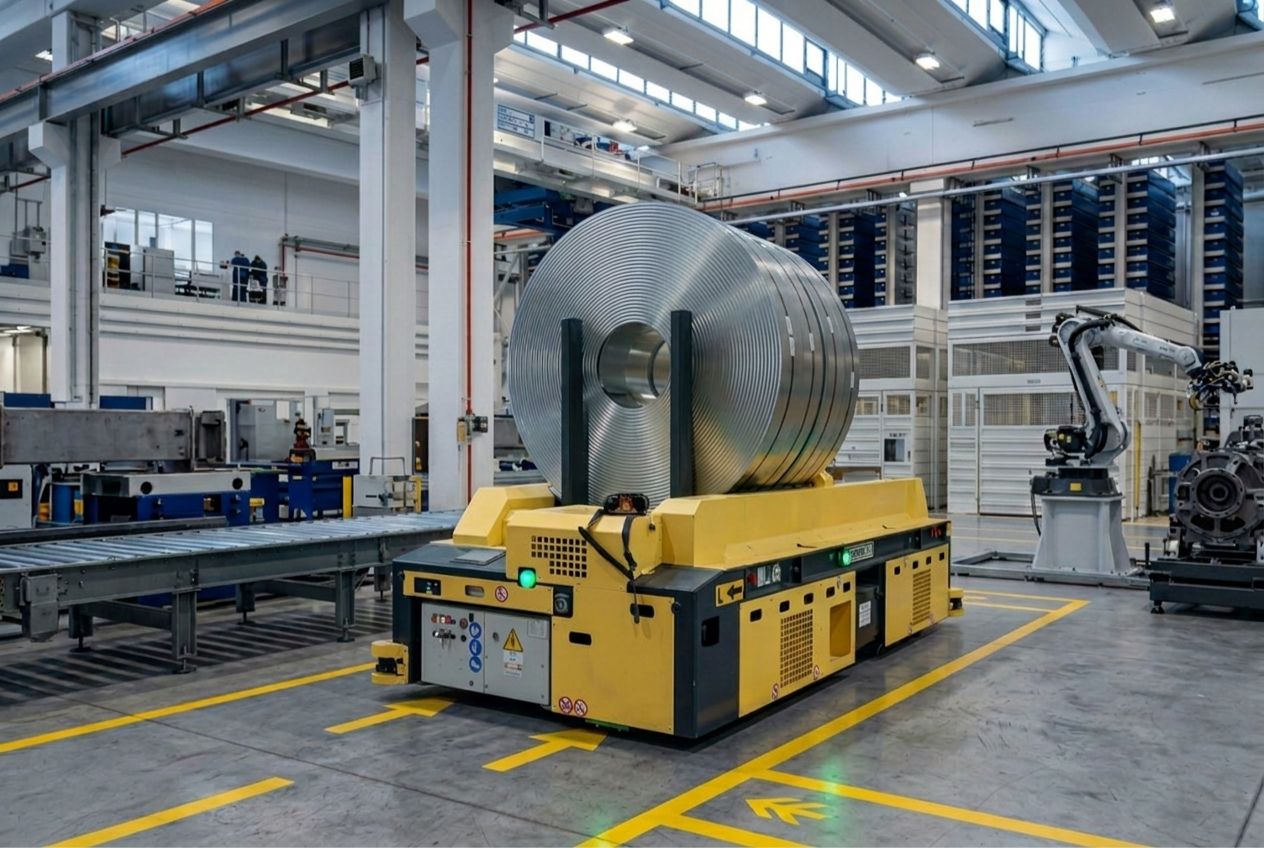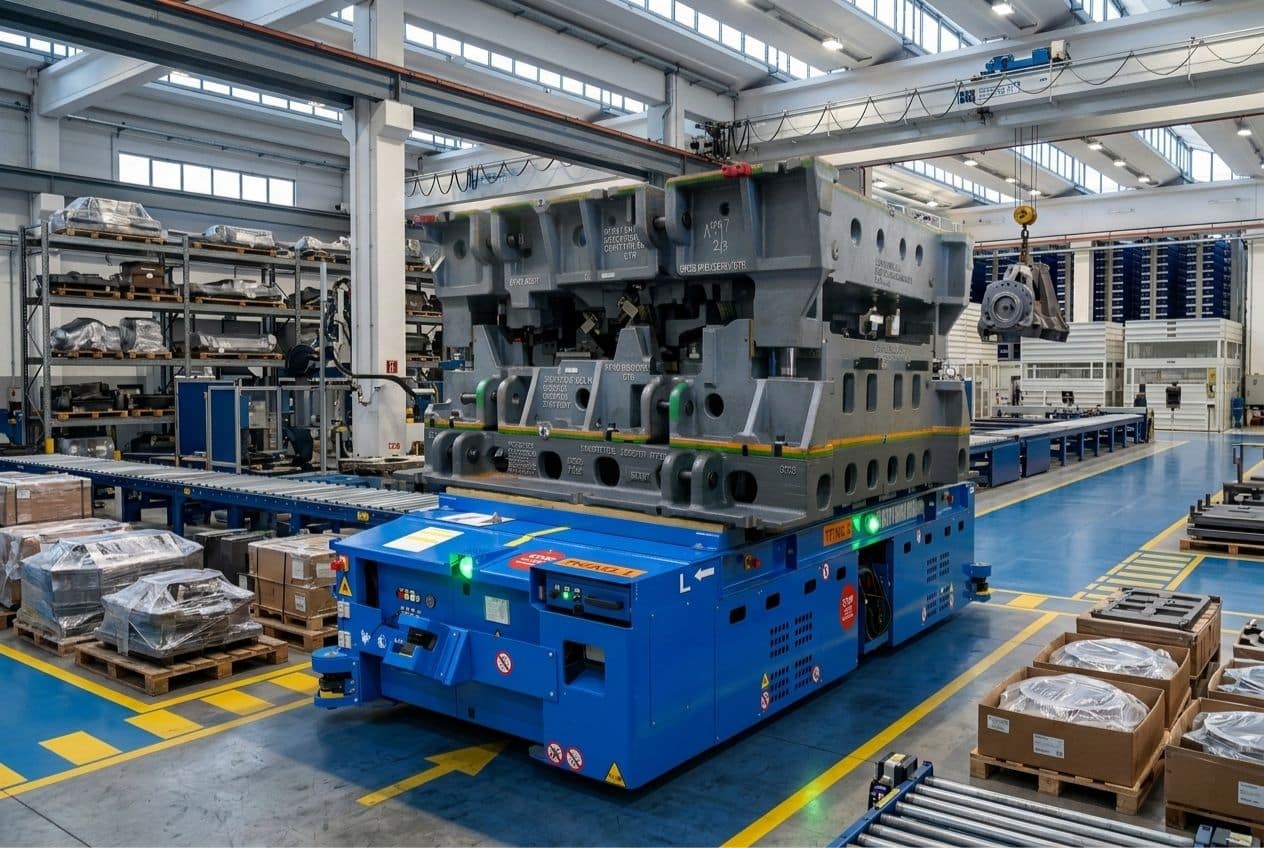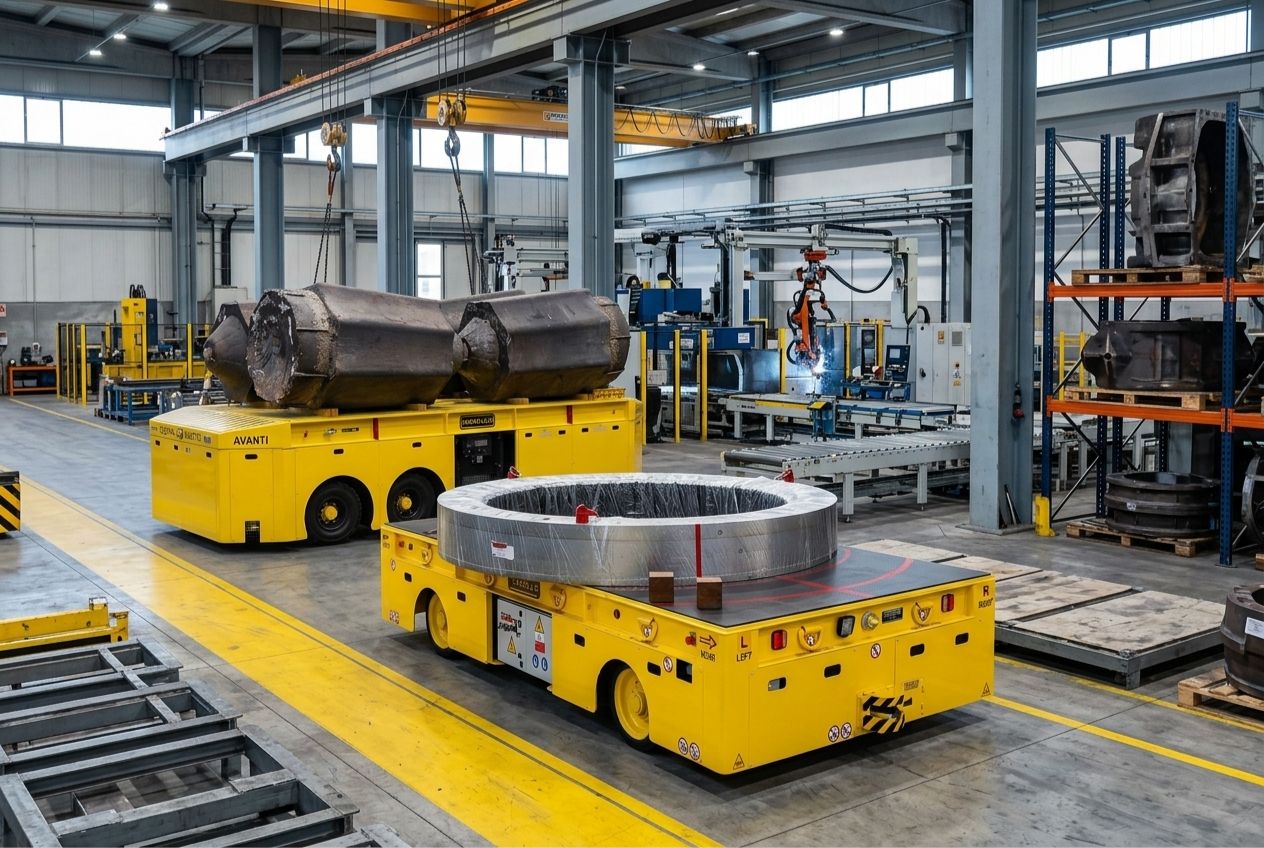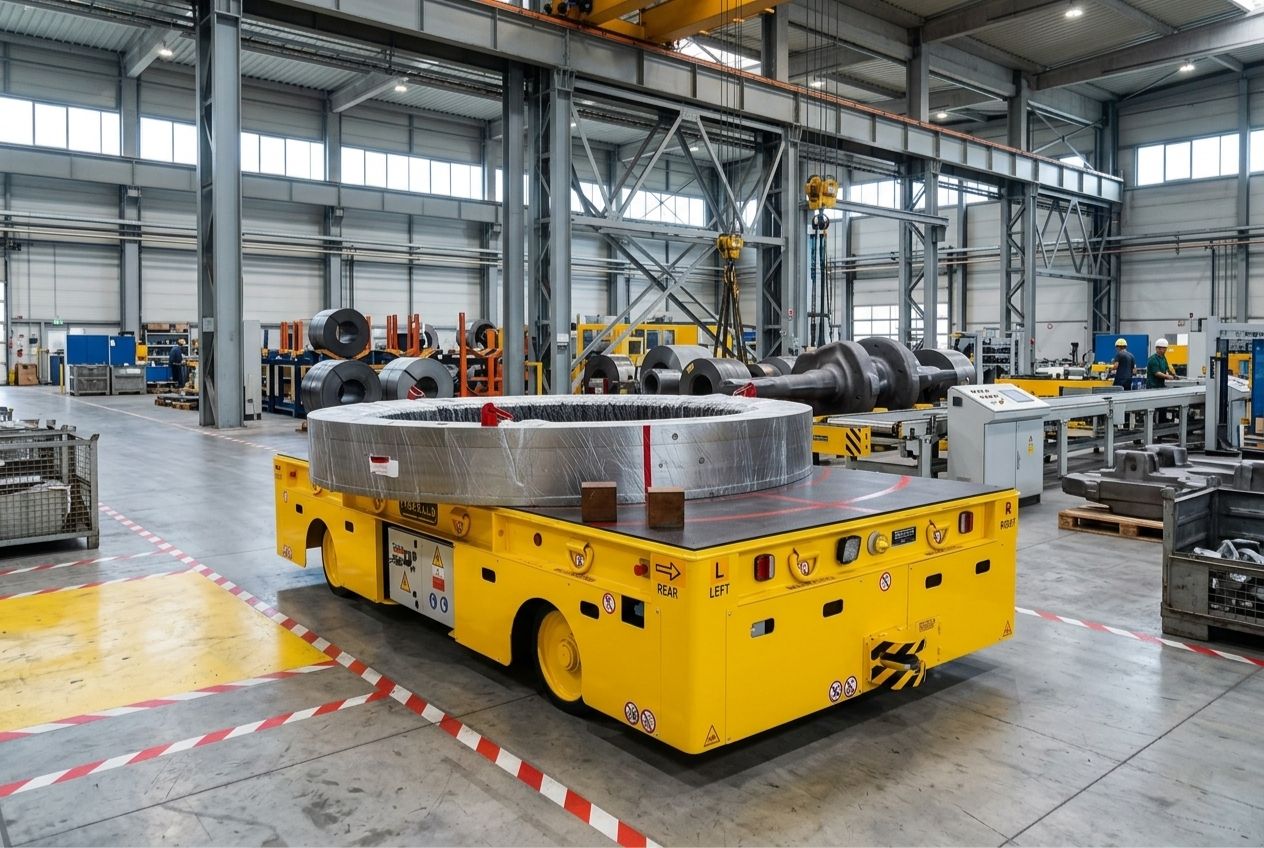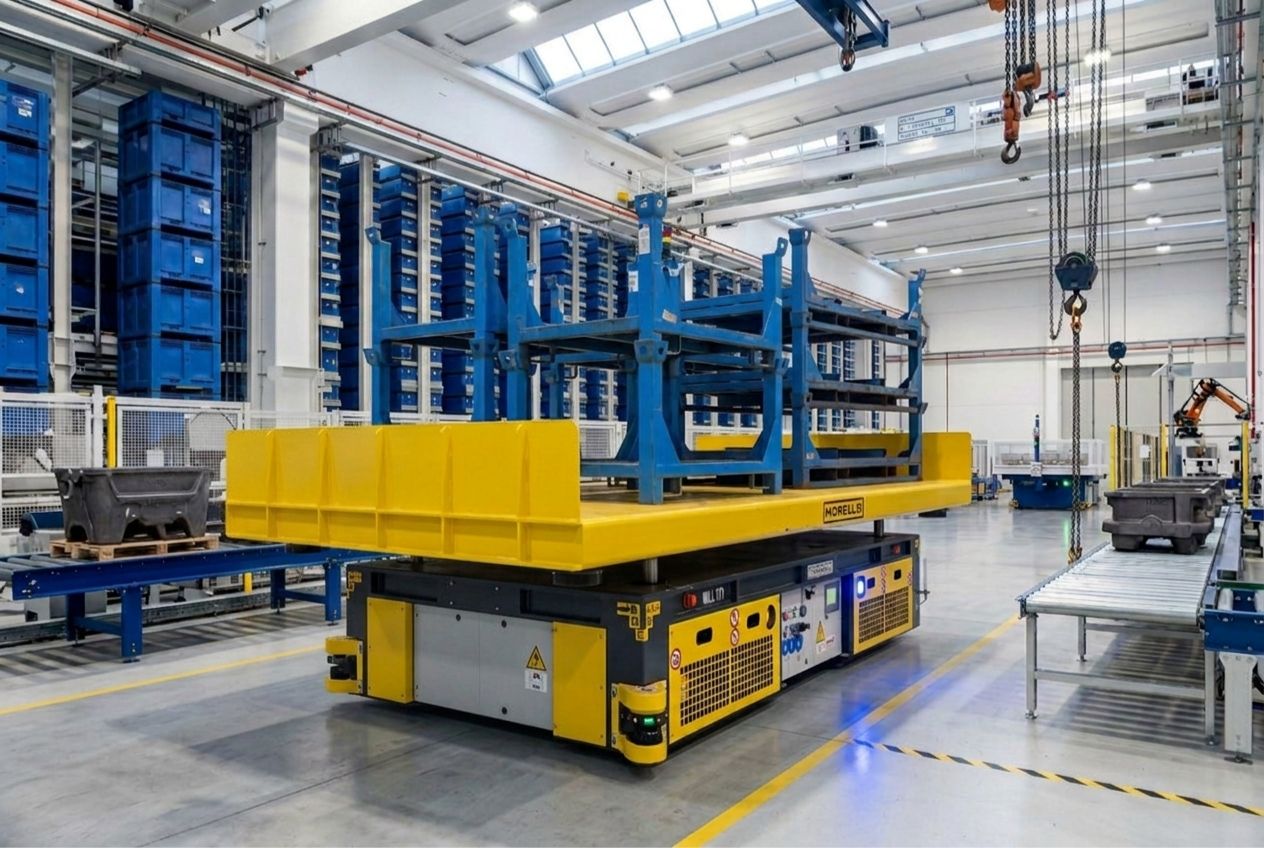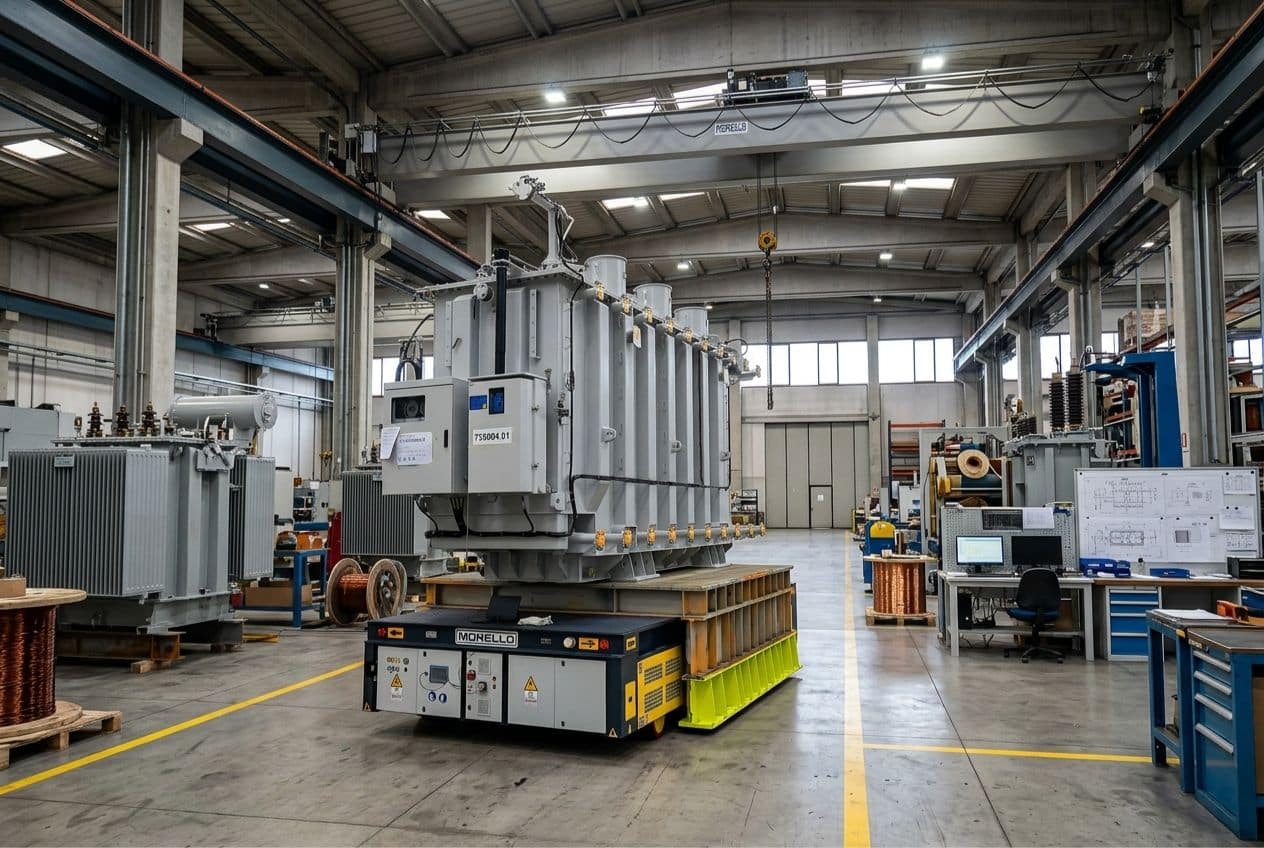
Power transformer transportation equipment: how to move heavy loads safely

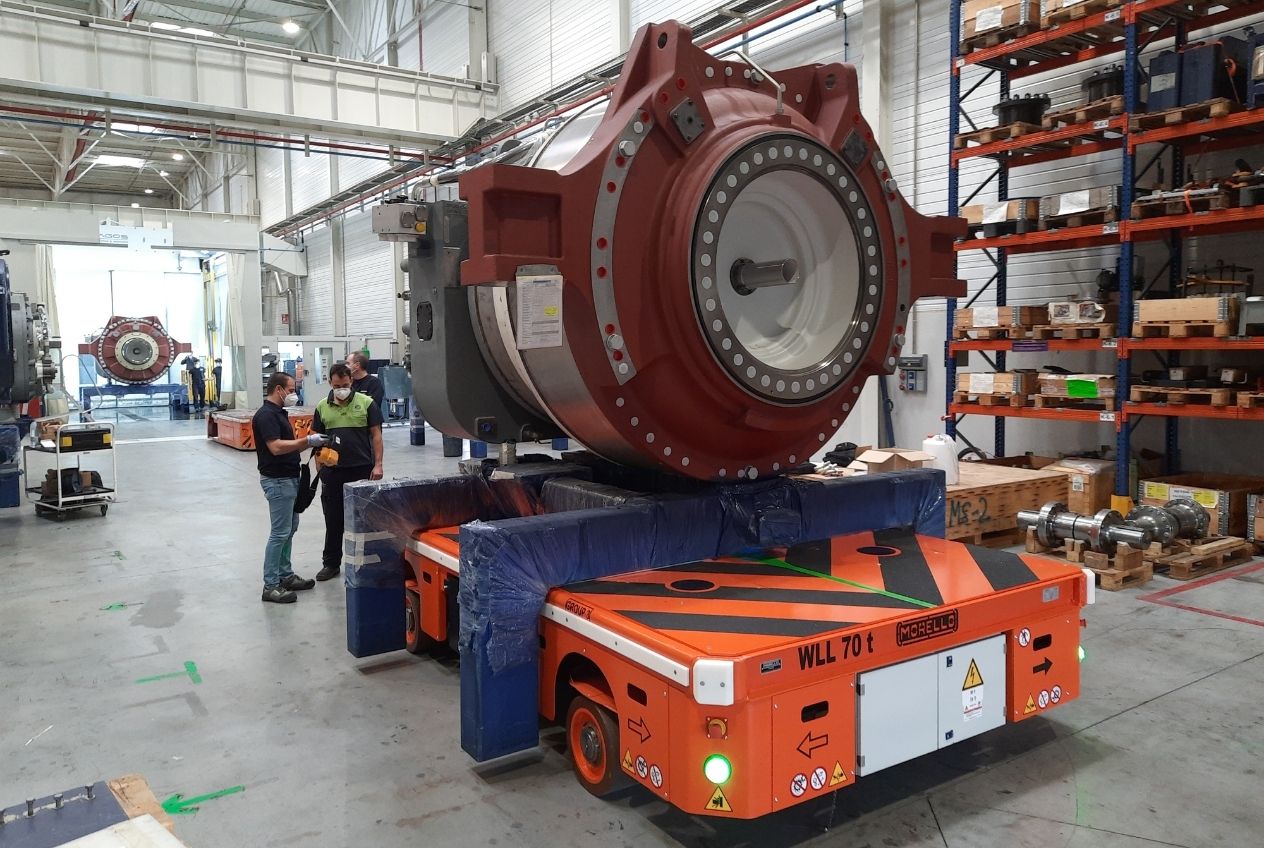
Transporting a power transformer is not a standard logistics operation. These are massive, high-value assets — often weighing between 30 and several hundred tons — whose safe and precise movement directly affects the continuity of energy infrastructure and industrial production. A single handling error can result in irreversible damage to the equipment, costly project delays, and serious safety risks for the personnel involved.

Power transformer transportation requires purpose-built solutions: machinery engineered to manage extreme loads with millimeter-level precision, advanced safety systems, and the flexibility to operate in complex industrial environments. Generic transport methods simply cannot meet these demands.

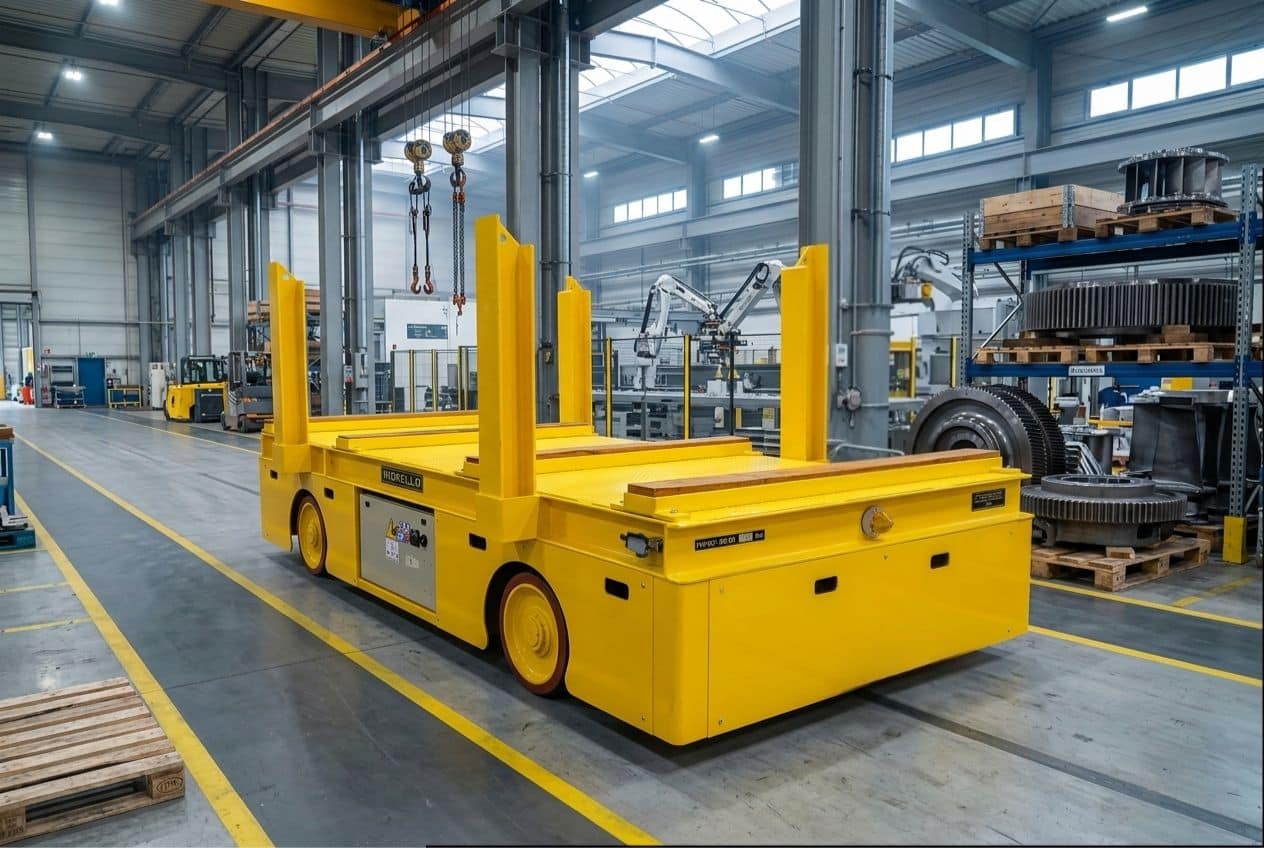
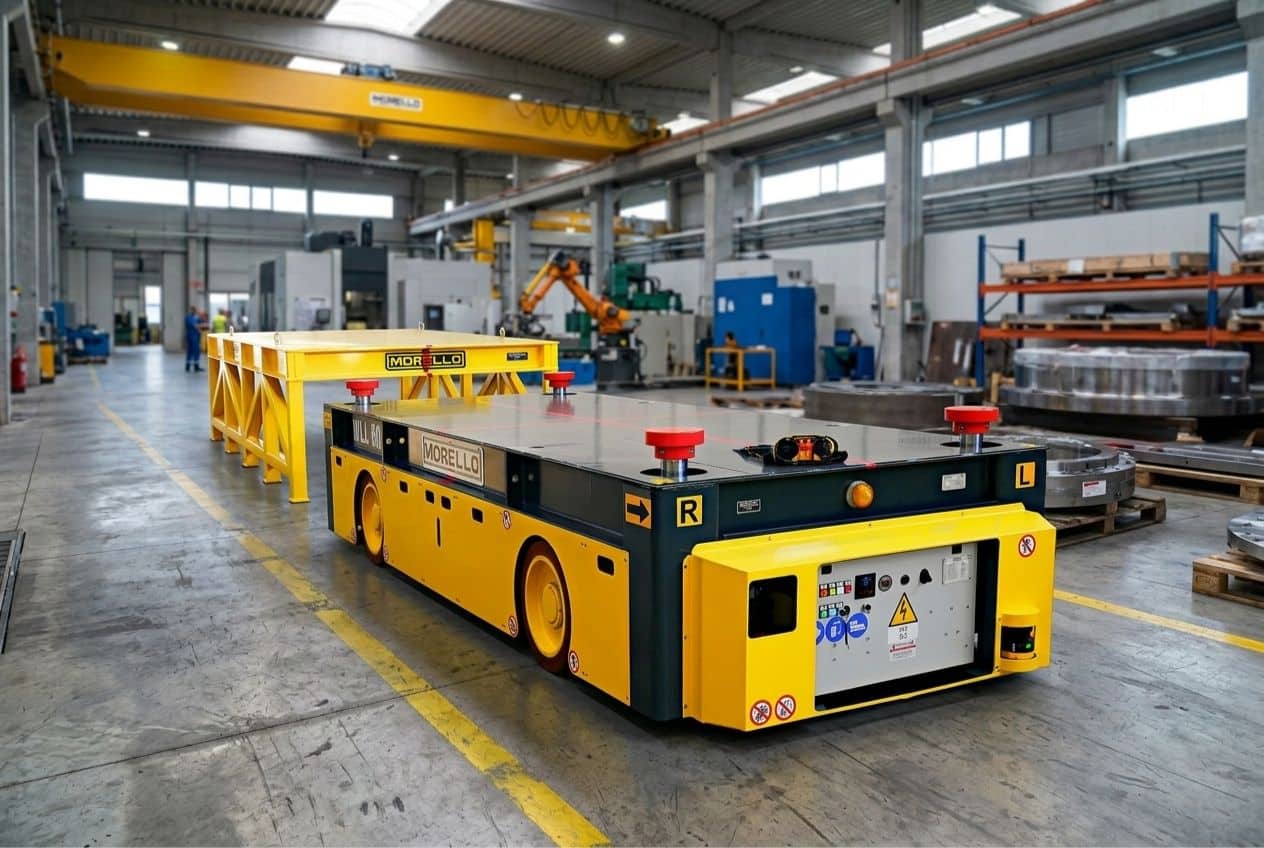
Morello designs and manufactures heavy-duty self-propelled transfer carts and handling equipment specifically built for these challenges. With decades of experience serving energy, industrial, and infrastructure sectors across the globe, Morello delivers the engineering reliability that transformer handling demands.

The real complexity behind power transformer transportation

Power transformers are among the most critical and expensive components in any energy infrastructure. Their weight alone — often ranging from 30 to several hundred tons — makes every movement a high-stakes engineering challenge. But weight is only part of the equation. These units are structurally sensitive: internal windings, cooling systems, and insulation components can sustain permanent damage from vibration, sudden jolts, or uneven load distribution during transit.

Beyond the physical fragility, the environments in which transformers must be moved add further complexity. Manufacturing facilities, substations, and testing yards often feature narrow corridors, uneven flooring, tight turning radiuses, and limited overhead clearance. In many cases, the transformer must transition between indoor and outdoor surfaces, requiring equipment that can adapt seamlessly to both conditions.

What makes power transformer transportation genuinely demanding is the combination of all these factors simultaneously: extreme weight, structural sensitivity, environmental constraints, and zero tolerance for error. This is not a task that can be approached with improvised solutions.

Why standard handling methods fall short

Cranes, forklifts, and standard flatbed trailers are commonly available in industrial settings, and it might seem logical to rely on them for transformer handling. In practice, however, these methods introduce risks that purpose-built equipment is specifically designed to eliminate.

Cranes, for instance, require significant vertical clearance and introduce dynamic load swings that are difficult to control with precision. A suspended transformer is vulnerable to oscillation, which can cause internal damage even without visible external impact. Standard trailers, on the other hand, lack the fine positioning capabilities needed to place a transformer accurately on its foundation or testing platform.

Forklifts present their own limitations: their load capacity rarely meets the requirements of high-tonnage transformers, and their rigid steering geometry makes precise maneuvering in confined spaces nearly impossible. When the cost of the equipment being moved runs into millions of dollars, relying on inadequate handling tools is simply not a viable option.

Key features of purpose-built transformer transport equipment

Specialized transfer carts designed for transformer handling share a set of core engineering characteristics that directly address the challenges outlined above:

  • Hydraulic lifting systems that allow millimeter-level height adjustment, enabling smooth and controlled placement on foundations or test benches without vibration.
  • High-capacity structural frames validated through finite element analysis (FEA), ensuring the cart maintains integrity under both static and dynamic extreme loads.
  • Omnidirectional drive systems with ±90° or full 360° crab movement, allowing navigation in tight factory layouts where conventional vehicles cannot operate.
  • Integrated safety sensors — including laser scanners, ultrasonic detectors, and mechanical bumpers — that automatically reduce speed or halt movement when obstacles are detected.
  • Flexible power configurations, ranging from battery-electric to diesel-hydraulic, to suit both indoor air quality requirements and outdoor operational demands.

These features work together to create a handling system that is not only powerful, but repeatable and predictable — essential qualities when moving assets of this value and sensitivity.

Precision, safety, and control: what heavy-duty handling really means

In transformer handling, precision is not a luxury — it is a functional requirement. Placing a transformer even a few centimeters off its designated position can compromise alignment with electrical connections, delay commissioning, or require additional handling cycles that multiply risk exposure.

Advanced transfer carts address this through multi-axis control systems that allow operators to make fine positional corrections in real time, either through remote control interfaces or fully autonomous navigation protocols. The operator maintains complete visibility and authority over every movement, with the system acting as a safety layer rather than a constraint.

Safety, in this context, extends beyond obstacle detection. It includes load stability monitoring, anti-tip mechanisms, and surface condition compensation — systems that continuously assess and respond to variables that a human operator alone cannot reliably track. When a transformer worth millions of dollars is in motion, this level of active oversight is what separates professional handling from acceptable risk.

Choosing the right equipment for transformer handling operations

Selecting the appropriate transport solution for a specific transformer handling operation requires a structured evaluation of several interdependent factors. The load capacity of the cart must exceed the transformer’s weight with an adequate safety margin. The drive system must match the surface conditions and spatial constraints of the facility. The lifting mechanism must be compatible with the transformer’s base geometry and the height requirements of its destination.

Equally important is the level of customization available from the manufacturer. No two transformer handling scenarios are identical, and a supplier capable of engineering a solution around the specific operational requirements — rather than offering a catalogue product and hoping it fits — provides a fundamentally different level of reliability.

Morello has built its international reputation precisely on this capacity for tailored engineering. From self-propelled platform trucks to fully automated AGV systems, each solution is designed around the real constraints of the customer’s environment, ensuring that power transformer transportation is executed with the precision, safety, and efficiency that these critical assets demand.

Moving transformers safely: where engineering meets responsibility

Every power transformer transportation operation carries with it a weight that goes beyond tonnage. It carries the responsibility of protecting a critical asset, ensuring operator safety, and maintaining project timelines that often have no margin for error. The difference between a successful move and a costly incident lies entirely in the quality of the equipment and the engineering behind it.

Morello designs and manufactures heavy-duty self-propelled transfer carts and specialized handling equipment built to meet exactly these demands. With a global track record spanning multiple industries and continents, Morello combines Italian engineering precision with the flexibility to deliver fully customized solutions for even the most complex handling scenarios.

If your operation involves the movement of high-tonnage transformers, explore Morello’s range of transporter carts and find the solution engineered for your specific requirements.
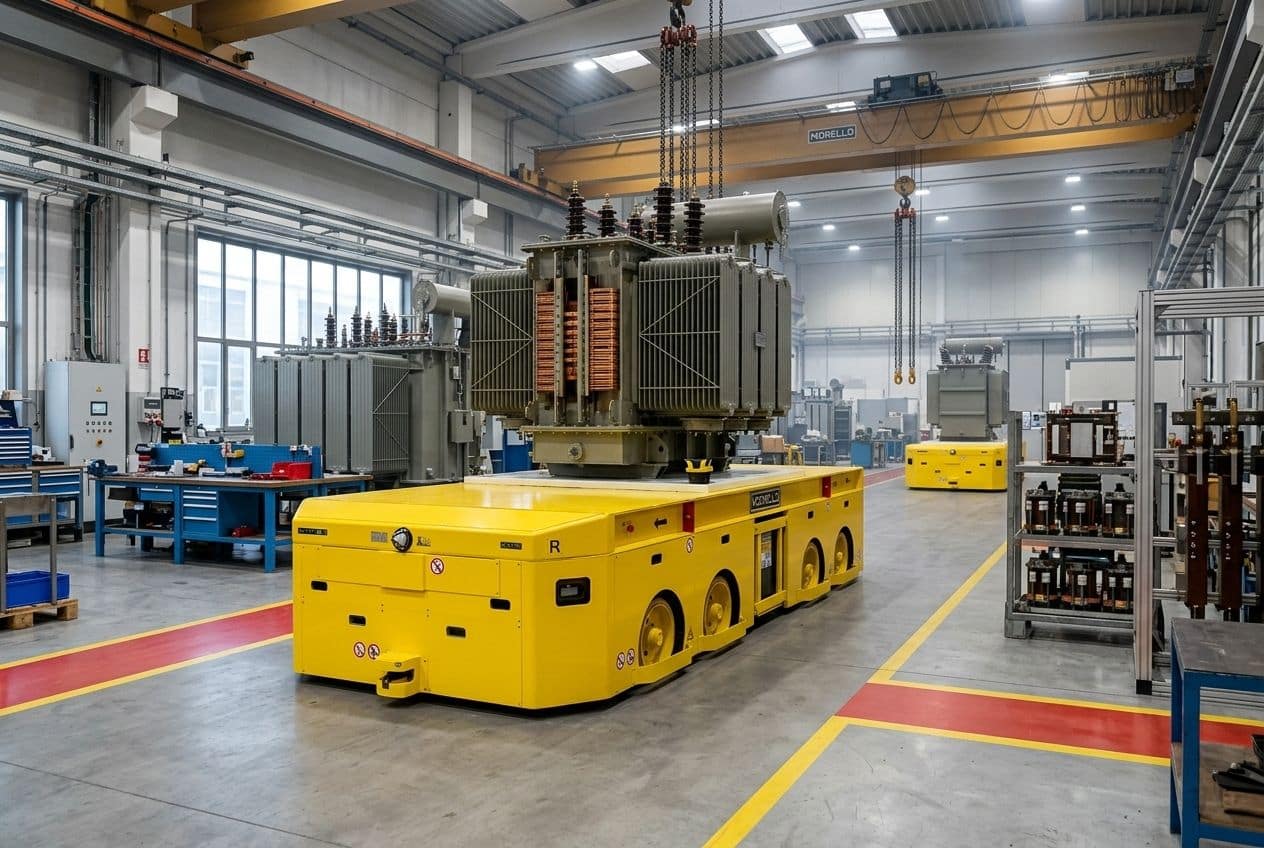
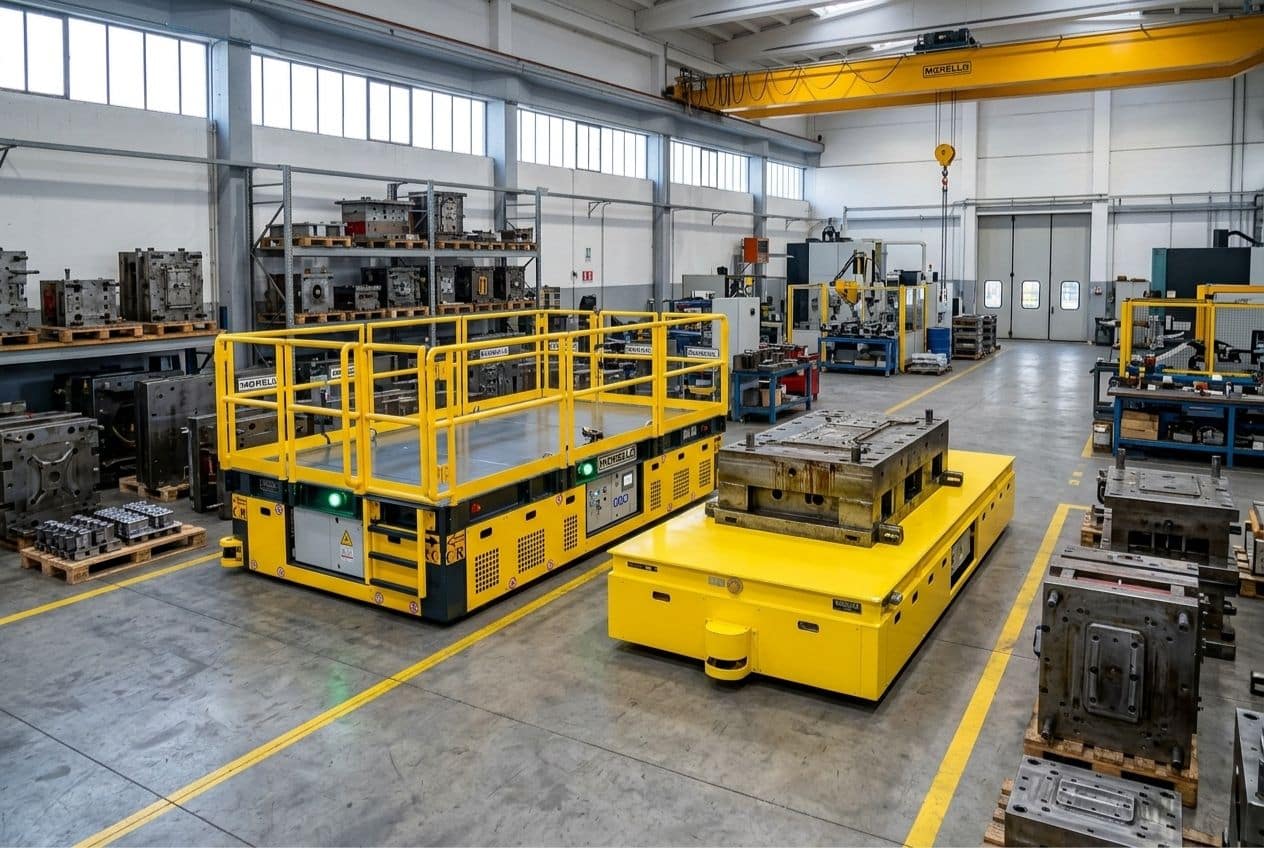
Industrial transfer carts for energy sector applications

In the energy sector, moving heavy and oversized equipment is one of the most demanding logistical challenges a facility can face. Whether it involves transporting power transformers, handling battery energy storage system (BESS) containers, or positioning critical components within substations and power plants, standard material handling equipment simply cannot meet the requirements. Heavy-duty transfer carts are purpose-engineered machines designed to move extreme loads with precision, stability, and complete operational safety.

Morello specializes in the design and manufacturing of high-capacity self-propelled transfer carts and industrial handling solutions tailored to the most demanding environments. From wind energy installations to large-scale power infrastructure projects, Morello’s equipment delivers the reliability and load capacity that energy sector operations require.

Why the energy sector demands heavy-duty transfer carts

The energy sector operates under conditions that push material handling to its absolute limits. Power plants, transformer substations, wind farms, and battery energy storage facilities all share a common challenge: moving extraordinarily heavy, oversized, and often fragile equipment through complex environments where precision is not optional — it is essential.

Think about a large power transformer. It can weigh anywhere between 50 and several hundred tons, and a single mishandled movement can result in catastrophic damage, costly delays, or serious safety incidents. Standard forklifts or conventional industrial trucks are simply not built for this level of responsibility. Heavy-duty transfer carts for the energy sector exist precisely because these operations demand a different class of engineering — machines that combine raw load capacity with fine-tuned control, stability on uneven ground, and the ability to operate safely in environments that may include explosive atmospheres or extreme weather conditions.

Beyond the technical requirements, there is also a business case. Downtime in energy infrastructure is expensive. Every hour a transformer sits uninstalled or a BESS unit waits to be positioned translates directly into project delays and financial loss. The right transfer cart solution eliminates bottlenecks, reduces crane dependency, and keeps critical timelines on track.

Key applications: from transformer handling to BESS container transport

The range of applications for heavy-duty transfer carts in the energy sector is broader than many expect. While transformer transport is perhaps the most well-known use case, modern energy infrastructure generates a variety of handling challenges that require equally specialized solutions.

  • Power transformer transport: Moving transformers within substations or from delivery points to installation sites, often requiring hydraulic lifting for precise vertical positioning.
  • BESS container handling: Battery energy storage system containers are large, heavy, and increasingly common in renewable energy projects. Their modular nature demands a transfer system capable of repetitive, accurate positioning.
  • Wind turbine component movement: Nacelles, hubs, and generator assemblies require ground-level transport solutions that can handle irregular load geometries.
  • Power plant maintenance operations: Internal movement of turbine components, cooling systems, and heavy machinery during scheduled maintenance shutdowns.
  • Substation equipment installation: Positioning switchgear, reactors, and other high-voltage equipment with millimeter-level accuracy.

Each of these scenarios presents unique constraints — from floor load capacity and available space to the sensitivity of the cargo itself. A transfer cart designed for one application may be entirely unsuitable for another, which is why understanding the full spectrum of energy sector needs is the starting point for any effective handling solution.

Engineering features that make the difference in high-load operations

When loads reach tens or hundreds of tons, every engineering decision matters. The performance gap between a well-engineered heavy-duty transfer cart and a generic solution becomes immediately apparent under real operating conditions.

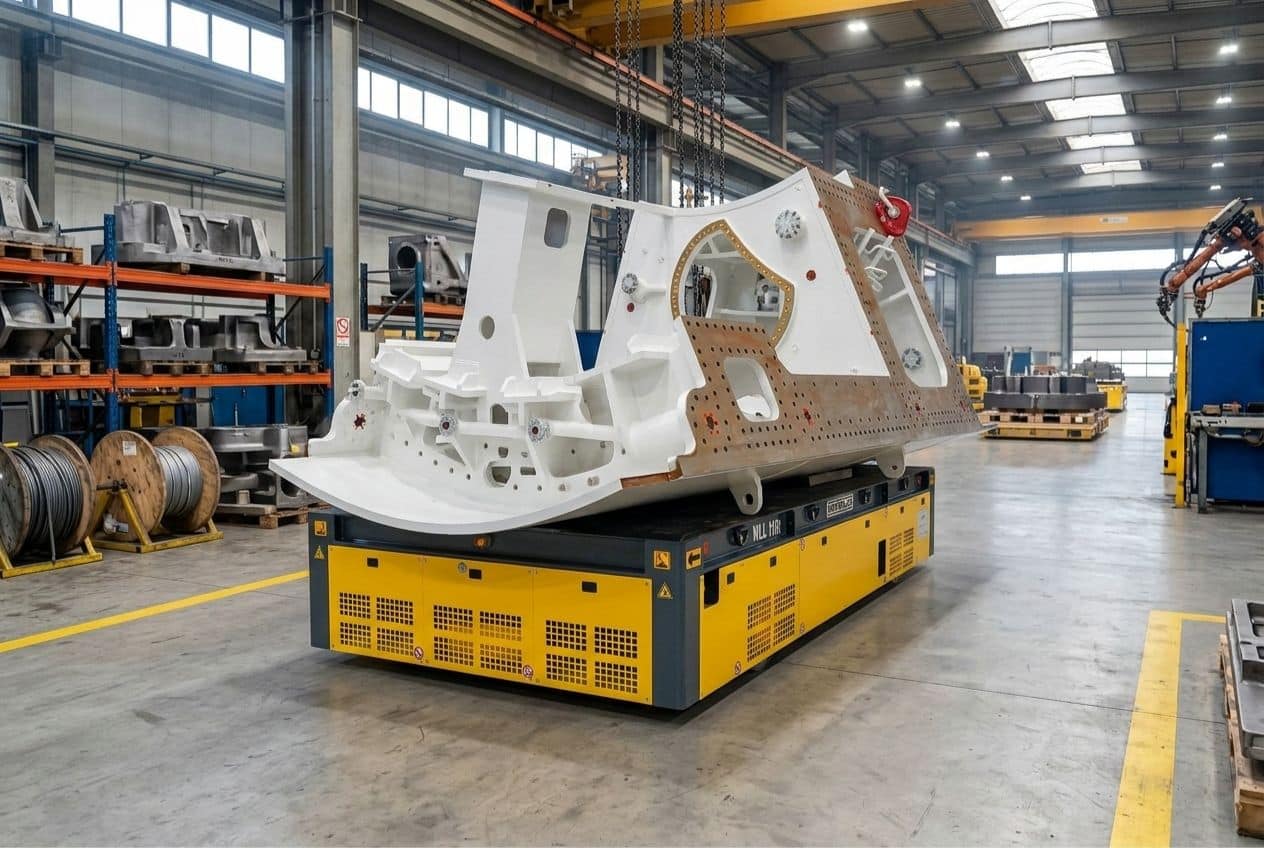
The most critical technical features of transfer carts for the energy sector include robust steel platform construction capable of distributing load evenly across the entire deck, independent wheel group steering for navigating tight spaces and complex site layouts, and variable-speed drive systems that allow operators to move massive loads with smooth, controlled acceleration. Hydraulic lifting decks add another dimension of capability, enabling precise vertical adjustment during transformer installation without the need for additional crane operations.

Power source selection also plays a significant role. Battery-powered electric transfer carts are increasingly preferred in enclosed facilities and environmentally sensitive areas, while diesel-powered self-propelled platforms remain the standard for outdoor and remote site operations. In environments where explosive gases or flammable materials may be present, explosion-proof configurations are not a luxury — they are a regulatory requirement.

Remote control operation is another feature that directly impacts safety, allowing operators to manage the cart’s movement from a safe distance while maintaining full visibility of the load and the surrounding environment.

Custom solutions vs. off-the-shelf equipment: what energy projects really need

One of the most common mistakes in energy project planning is assuming that a catalogued, ready-to-ship transfer cart will meet the specific demands of the job. In reality, the variables involved in energy sector operations — load weight and geometry, ground conditions, available headroom, access routes, and safety regulations — are rarely identical from one project to the next.

Off-the-shelf equipment offers speed of delivery and lower upfront costs, but it often requires workarounds that compromise efficiency or safety. A transformer with an unusual weight distribution, for example, may demand a custom deck configuration or a specific hydraulic lifting arrangement that no standard product can provide.

Custom-engineered transfer carts, on the other hand, are developed through a detailed analysis of the actual operational context. This means load distribution studies, site surveys, workflow mapping, and close collaboration between the engineering team and the end user. The result is a machine that fits the project — not the other way around. For large-scale, high-value energy infrastructure, this investment in precision engineering pays for itself many times over by eliminating risk and maximizing operational efficiency.

How Morello designs transfer carts for energy sector challenges

Morello brings decades of experience in high-capacity material handling to the energy sector, with a track record that spans power generation, wind energy, and large-scale infrastructure projects across multiple continents. Based in Piedmont, Italy, and operating globally, Morello approaches every project with the same principle: the equipment must be built around the challenge, not the other way around.

The design process begins with a thorough understanding of the load, the site, and the operational workflow. Morello’s engineering team works directly with clients to develop transfer cart configurations that address every constraint — from ground bearing capacity and available maneuvering space to electrical safety standards and environmental conditions. Whether the requirement is a battery-powered cart for indoor substation work or a high-tonnage self-propelled platform for outdoor transformer transport, each solution is validated through structural analysis before production begins.

Morello also offers rental and ready-to-deliver options for projects with tighter timelines, ensuring that even urgent energy sector operations have access to professional-grade handling equipment.

Moving energy infrastructure forward, one load at a time

The energy sector leaves no room for handling errors. When the equipment being moved weighs hundreds of tons and represents critical national infrastructure, the transfer cart solution must be engineered to perform flawlessly — every single time. From transformer substations to wind farms and BESS installations, heavy-duty transfer carts are the backbone of safe, efficient, and timely project execution.

Morello has built its reputation by delivering exactly this level of reliability to energy operators and project managers worldwide. With custom engineering, global reach, and a product range that covers every high-capacity handling need, Morello is the partner that energy sector professionals trust when the stakes are highest.

Ready to move your next energy project forward? Explore Morello’s battery-powered transfer carts and find the right solution for your operation.

Die change carts and heavy-duty mold transfer carts for safe heavy-load handling

Moving stamping dies and injection molds inside a press shop is one of the most demanding — and potentially hazardous — tasks in heavy industrial manufacturing. When a single tool can weigh dozens of tons, every changeover becomes a critical operation where precision, speed, and safety must work together without compromise.

A die change cart is the purpose-built solution that makes this possible, replacing slow overhead cranes and manual handling with a controlled, mechanical transfer process that protects both operators and expensive tooling. A heavy-duty mold transfer cart extends this capability to the most extreme load conditions, handling tools that standard equipment simply cannot manage.

Understanding how these systems work — and what to look for when selecting one — is the first step toward faster changeovers, fewer accidents, and longer tool life in any stamping, punching, or molding operation.

What is a die change cart and why does it matter in press shops

A die change cart is a mobile or rail-mounted platform engineered specifically to transport, position, and exchange stamping dies, press tools, and injection molds within industrial manufacturing environments. Unlike general-purpose forklifts or overhead cranes — which introduce significant risk when handling tools that can weigh several tons — a die change cart is purpose-built for this exact task, combining controlled movement, precise alignment, and integrated safety systems in a single unit.

Why does this matter? Consider a typical automotive press shop running multiple die changeovers per shift. Every minute spent waiting for a crane, repositioning a misaligned tool, or managing a near-miss incident is a minute of lost production. Multiply that across dozens of changeovers per week, and the impact on uptime, costs, and operator safety becomes impossible to ignore. A dedicated die transfer solution eliminates these bottlenecks by standardizing and mechanizing the entire exchange process — making changeovers faster, safer, and far more repeatable than any manual approach could achieve.

Load capacities, configurations, and key functional components

Modern die and mold transfer carts cover an exceptionally wide performance range, from compact units handling around 4,000 kg for medium-sized presses, all the way to heavy-duty mold transfer cart configurations capable of managing loads between 50 and 100 tons for the largest stamping and casting operations. The right configuration depends entirely on the tools being handled and the layout of the production environment.

Regardless of capacity, most high-performance die carts share a common set of functional components that define their capability:

  • Electro-hydraulic lifting platform: allows vertical alignment between the cart deck and the press bolster, compensating for floor level differences and pit configurations.
  • Push-pull system: a powered mechanism that moves the die onto or off the cart and into the press table without requiring manual effort, operating at controlled feed rates with selectable creep speed for fine positioning.
  • Ball bars and load rollers: hydraulic ball-transfer elements or fixed rollers that reduce friction during loading and unloading, preventing damage to die shoes and press bolsters.
  • Docking bars and alignment guides: ensure repeatable mechanical connection between cart and press, eliminating lateral drift and reducing misalignment forces.
  • Safety circuits and interlocks: prevent cart movement or lifting under unsafe conditions, with remote pendant or wireless controls that keep operators outside hazard zones.

Double-cart configurations — such as DUO systems with two independent push-pull units — are also available for handling very long dies or servicing two presses simultaneously, adding further flexibility to high-volume operations.

How a heavy-duty mold transfer cart transforms changeover operations

The operational impact of a heavy-duty mold transfer cart goes well beyond simply moving a tool from point A to point B. When properly integrated into a press shop workflow, these systems fundamentally change how changeovers are planned, executed, and measured. What once required a team of operators, a crane booking, and a lengthy trial-and-error alignment process can be reduced to a controlled, single-operator procedure completed in a fraction of the time.

Faster changeovers directly translate into higher press utilization. When dies can be exchanged in minutes rather than hours, production schedules become more flexible, smaller batch sizes become economically viable, and the plant’s ability to respond to last-minute customer demands improves significantly. This is the core principle behind Quick Die Change systems, of which the transfer cart is the central mechanical element.

Safety improvements are equally significant. Controlled push-pull mechanisms keep operators away from suspended loads and press danger zones. Docking interlocks prevent premature movement. Ball bars and rollers eliminate the scraping and galling that damage expensive tooling during manual transfers. Over time, this translates into lower maintenance costs, fewer unplanned stoppages, and a measurable reduction in workplace incidents — outcomes that matter to any operations or safety manager responsible for a heavy manufacturing floor.

Selecting the right die change cart for your production needs

Choosing the correct die transfer solution requires a clear-eyed assessment of several interdependent factors. Getting this right from the start avoids costly retrofits and ensures the system performs as expected from day one.

Key criteria to evaluate include:

  • Tool weight and dimensions — always define the heaviest die or mold including subplates and adapters, then apply a safety margin. Platform size, push-pull stroke, and support surface must all be compatible with the largest tool in the fleet.
  • Press layout and access — front versus side loading, floor-level versus pit configurations, and whether the cart needs to span press yards all influence the type of cart and deck design required.
  • Mobility requirements — battery-powered, free-moving carts suit flexible plant layouts where presses are not aligned on a fixed line. Rail-mounted systems are preferable for fixed press lines with high-frequency, repetitive changeovers.
  • Changeover frequency — higher frequency justifies greater automation, more powerful push-pull units, and deeper integration with Quick Die Change infrastructure. A plant running dozens of changeovers per day has very different needs from one running a handful per week.
  • Future scalability — production evolves. A cart selected today should have enough capacity headroom and configurability to handle heavier or larger tools as the product mix changes.

Morello’s heavy-duty transfer solutions for demanding industrial environments

Morello designs and manufactures heavy-duty material handling equipment built for exactly the kind of high-load, high-stakes environments where die and mold transfer carts are essential. Operating across industries that range from automotive and aerospace to wind energy and defense, Morello brings decades of engineering experience to applications where standard solutions simply fall short.

Whether the requirement is a battery-powered transfer cart for flexible press shop operation, a rail-guided system for a fixed stamping line, or a fully customized solution for tools weighing multiple tons, Morello’s engineering team works with clients to define the right configuration from the ground up. The company also offers rental and ready-to-deliver options for operations that need a solution quickly without committing to a long procurement cycle.

Moving heavy tools is an engineering challenge — solving it is Morello’s business

A well-chosen die change cart or heavy-duty mold transfer cart is not simply a piece of handling equipment — it is a strategic investment in production efficiency, operator safety, and tooling longevity. From reducing changeover times to eliminating the risks associated with crane-dependent transfers, the right system pays for itself through measurable gains in uptime, reduced maintenance costs, and a safer working environment for every operator on the floor.

Morello has built its reputation by delivering exactly this kind of value to manufacturers across the world, combining robust engineering with deep application knowledge to produce transfer solutions that perform reliably under the most demanding conditions. If your press shop handles heavy dies or molds and you need a transfer system that truly matches the challenge, discover Morello’s heavy-duty transfer cart range and take the next step toward safer, faster changeovers.

AGVs: pros, cons, and implementation costs explained

Automated Guided Vehicles — commonly known as AGVs — are reshaping the way industries handle heavy material movement, from manufacturing floors to aerospace hangars. But before committing to an AGV system, every operations manager or plant director needs a clear-eyed view of both the advantages and disadvantages of automated guided vehicles, along with a realistic understanding of implementation costs.

The decision is rarely straightforward. AGVs can deliver remarkable efficiency gains, reduce labor expenses, and improve workplace safety — but they also come with significant upfront investment and operational constraints that not every business is prepared to manage. Whether you’re running a high-capacity industrial facility, a military logistics operation, or a wind energy production site, understanding the full picture of automated guided vehicle pros and cons is the essential first step toward making a smart, sustainable investment in automation.

What makes AGVs worth considering for heavy-load operations

In sectors where moving loads of several tonnes is a daily reality — think aerospace component assembly, military logistics, or wind turbine manufacturing — the margin for error is essentially zero. A single mishandled movement can damage irreplaceable parts, injure personnel, or halt an entire production line. This is precisely where Automated Guided Vehicles begin to make a compelling case for themselves.

AGVs are self-navigating industrial vehicles capable of transporting extremely heavy loads along pre-defined or dynamically calculated routes, without requiring a human operator at the controls. They rely on a combination of sensors, cameras, laser guidance systems, and integrated software to move safely and efficiently through complex industrial environments.

What sets AGVs apart from conventional forklifts or manually operated transport carts is their consistency. They don’t tire, they don’t get distracted, and they don’t cut corners. For operations that run continuously across multiple shifts, this reliability translates directly into measurable productivity gains and a significant reduction in operational risk.

The real advantages of automated guided vehicles in industrial environments

When evaluating the pros and cons, the benefits side of the equation is substantial — particularly for large-scale, high-frequency operations. Here is where AGVs genuinely deliver:

  • Labor cost reduction: replacing or supplementing human operators with AGVs eliminates recurring expenses such as wages, overtime, insurance, and sick leave.
  • Enhanced workplace safety: equipped with collision-avoidance sensors and emergency stop systems, AGVs dramatically reduce the risk of accidents compared to manually operated vehicles.
  • 24/7 operational continuity: unlike human workers, AGVs can operate around the clock without performance degradation.
  • Integration with warehouse management systems: AGVs can be connected to WMS or WCS platforms, enabling real-time inventory tracking and automated material flow.
  • Scalability: a fleet can start with just one or two units and expand progressively as operational needs grow.

Beyond the numbers, AGVs also perform reliably in environments hostile to human workers — extreme temperatures, chemical exposure, or low-oxygen conditions — making them a strategic asset in specialized industrial contexts.

Automated guided vehicle pros cons: what no one tells you upfront

The honest conversation about automated guided vehicle pros cons doesn’t stop at the benefits. There are real limitations that deserve serious attention before any purchasing decision is made.

The most overlooked drawback is operational inflexibility. AGVs are programmed to follow specific routes and execute defined tasks. When an unexpected situation arises — a sudden change in workflow, an emergency rerouting, or a non-standard load — they cannot adapt the way a trained human operator can. In dynamic environments where priorities shift rapidly, this rigidity can become a bottleneck rather than an asset.

Another underestimated challenge is the transition period. Integrating AGVs into an existing operation requires time, staff retraining, and process redesign. The productivity gains don’t appear overnight — there is a learning curve, and during that phase, efficiency may temporarily dip before it improves.

Finally, AGVs are purpose-built for repetitive, predictable tasks. If your operation involves frequent task variation, irregular load types, or unpredictable routing demands, a conventional operator-driven vehicle may still outperform an AGV in terms of practical flexibility.

AGV implementation costs: breaking down the numbers

Understanding AGV implementation costs is critical to building a realistic business case. The investment is not limited to the purchase price of the vehicles themselves — it extends across several cost categories that are often underestimated at the planning stage.

The initial acquisition cost varies significantly depending on the vehicle’s load capacity, navigation technology, and level of customization. A basic AGV unit for standard loads sits at a different price point than a heavy-duty system engineered to move components weighing several tonnes in an aerospace or energy facility.

Beyond the hardware, companies must factor in infrastructure adaptation — floor surface modifications, guidance system installation, and safety barrier upgrades. Then there are software licensing fees, system integration costs, and operator training programs. Ongoing expenses include routine maintenance, sensor calibration, battery replacement cycles, and occasional software updates.

The key financial insight is this: the return on investment from AGVs is real, but it materializes over time. Businesses that approach AGV adoption expecting immediate payback are often disappointed. Those that model the full cost of ownership over a multi-year horizon — factoring in labor savings, reduced accident costs, and productivity gains — consistently find the numbers compelling.

When AGVs are not the right fit for your operation

Not every industrial environment is ready for AGV integration, and recognizing this early saves significant time and capital. If your operation is characterized by highly variable workflows, frequent layout changes, or a wide diversity of load types and sizes, the rigidity of a standard AGV system may create more friction than it resolves.

Small operations with limited capital may also find that the AGV implementation costs outweigh the short-term benefits, particularly if labor costs in their region are not the primary operational burden. In these cases, semi-automated or operator-assisted solutions — such as battery-powered self-propelled carts or electric transporter trucks — can offer a more balanced entry point into industrial automation without the full complexity of a guided vehicle system.

The question to ask is not simply “can we use AGVs?” but rather “does our operational model actually benefit from what AGVs do best?” Repetitive routes, consistent load profiles, and high-volume throughput are the conditions where AGVs thrive. Absent these factors, a more flexible and cost-effective handling solution may serve your facility better.

Choosing the right automated material handling solution for your facility

Weighing the automated guided vehicle pros cons and understanding the full scope of implementation costs is not a purely technical exercise — it is a strategic decision that shapes how your operation performs for years ahead. AGVs deliver genuine value in the right context: high-volume, repetitive, heavy-load environments where safety, precision, and continuity are non-negotiable priorities.

But automation is not a one-size-fits-all answer. The most effective industrial facilities are those that match the right technology to the right task — and sometimes that means combining AGV systems with other high-performance handling solutions tailored to specific operational demands.

Morello designs and manufactures AGV-automated transfer carts engineered for heavy-duty industrial applications worldwide. If you’re evaluating your options, our team is ready to help you find the solution that fits your operation precisely.

AGV vs AMR: which autonomous solution is right for you?

Choosing between an AGV (Automated Guided Vehicle) and an AMR (Autonomous Mobile Robot) is one of the most strategic decisions a plant manager or logistics engineer can face today. Both technologies automate the movement of materials inside industrial facilities, warehouses, and manufacturing plants — but they do so in fundamentally different ways, with distinct implications for flexibility, cost, and operational efficiency.

Understanding the real differences between these two classes of autonomous vehicles means looking beyond the surface: navigation systems, sensing capabilities, adaptability to complex environments, and integration with existing infrastructure all play a decisive role. Whether you handle loads of a few hundred kilograms or several tonnes — as in aerospace, military, or wind energy applications — knowing which solution truly fits your workflow can make the difference between a smart investment and a costly mistake.

AGV vs AMR: understanding the key differences

Both AGVs and AMRs are designed to move materials autonomously inside industrial environments — but calling them interchangeable would be a mistake. The fundamental distinction lies in how each system interprets and responds to its surroundings. An AGV follows a predefined path, guided by external markers or infrastructure embedded in the facility. An AMR, by contrast, builds its own understanding of the environment and makes independent navigation decisions in real time.

This difference has profound implications for deployment complexity, operational flexibility, and long-term scalability. In environments where routes are fixed and predictable — such as heavy-load transfer lines in aerospace or wind energy manufacturing — AGVs deliver reliable, repeatable performance. Where layouts change frequently or human-robot coexistence is required, AMRs offer a decisive advantage. Understanding which category fits your specific workflow is not a technical detail: it is a strategic choice that shapes your entire material handling operation.

How AGVs navigate: assisted guidance explained

AGVs rely on what is commonly called assisted navigation — a system in which the vehicle follows signals or markers placed throughout the facility. The most widely adopted method is laser triangulation: a laser sensor mounted on the vehicle continuously scans reflective targets positioned at known locations. By calculating the angles and distances to multiple targets simultaneously, the AGV determines its exact position and adjusts its path accordingly.

Other assisted navigation methods include:

  • Magnetic band navigation — the vehicle follows a magnetic strip embedded in the floor
  • Inertial navigation — gyroscopes and accelerometers track movement relative to a known starting point
  • Wire guidance — an onboard sensor follows an energized wire beneath the floor surface
  • Optical navigation — cameras or sensors read visual markers on the floor or walls

Each method involves a trade-off between installation cost, precision, and adaptability. Laser triangulation remains the preferred choice for heavy-duty industrial applications, where positional accuracy directly affects safety and load integrity.

How AMRs think: the intelligence behind autonomous mobile robots

AMRs represent a significant leap forward in autonomous vehicle technology. Rather than depending on fixed markers or infrastructure, they use lidar sensors combined with advanced 2D or 3D mapping algorithms to build a real-time model of their environment. This allows them to navigate complex, dynamic spaces — detecting obstacles, recalculating routes, and adapting to unexpected changes without human intervention.

The lidar system works by emitting laser pulses and measuring the time it takes for them to return after bouncing off surrounding objects. This data is processed continuously, generating a precise map that the AMR uses to track its own position and plan the most efficient path to its destination. When an obstacle — a forklift, a pallet, or even a person — appears in its path, the AMR does not stop and wait for instructions. It recalculates and reroutes autonomously.

This capability makes AMRs particularly effective in environments where human activity is frequent and unpredictable, or where facility layouts are subject to regular changes. The intelligence embedded in these systems is not just a convenience — it is a safety and efficiency multiplier.

The five key components that define AGV and AMR design

Regardless of the navigation philosophy, both AGVs and AMRs share a common structural architecture built around five essential components. Understanding these elements helps evaluate not just performance, but also maintenance requirements and total cost of ownership.

The battery is the energy core of the system. Technologies range from traditional flooded lead-acid units to lithium-ion and fuel cell solutions. More advanced systems feature automatic low-battery alerts and return-to-charge routines, minimizing downtime without operator involvement.

The controller is the onboard brain — processing sensor data, executing navigation algorithms, and managing communication with the fleet management system. Its processing power directly determines how quickly the vehicle can respond to environmental changes.

Sensors provide the continuous data stream that keeps the vehicle oriented and safe. Laser sensors handle optical obstacle detection, while mechanical buffer sensors offer a physical safety layer. Feedback devices and field-effect sensors also calculate travel distance and verify speed in real time.

Peripheral mechanisms cover all functions beyond basic transportation — lifting platforms, tray feeders, swing arms, and motorized loading devices that allow the vehicle to interact with its cargo and surrounding equipment.

The driving system — comprising electric motors, drive shafts, wheels, and gearboxes — determines how the vehicle moves and steers. The configuration of this system has a direct impact on maneuverability, especially when handling oversized or extremely heavy loads.

Mobility, steering types, and real-world industrial applications

One of the most practical dimensions of the AGV vs AMR comparison involves mobility. Not all automated vehicles move the same way, and in heavy-load environments, steering capability can be the deciding factor between a workable solution and an operational bottleneck.

Industrial transfer vehicles are generally categorized by their steering architecture. Rail-guided systems move in a fixed straight line along a track — ideal for repetitive, high-precision transfer tasks. Front-wheel-guided vehicles offer limited maneuverability, suitable for wider aisles and simpler layouts. Four-wheel-guided platforms, where all wheels steer independently, unlock a range of advanced movement modes: rotation on the spot, crab movement, and lateral cross-travel — capabilities that become essential when moving components weighing several tonnes in confined spaces.

In sectors like aerospace, military logistics, and wind turbine manufacturing, where components are massive and floor space is limited, this level of maneuverability is not optional — it is a core operational requirement. The right combination of navigation intelligence and steering flexibility is what separates a truly effective automated handling system from a compromise solution.

Choosing the right automated vehicle for heavy-load operations

The comparison between AGVs and AMRs is not about which technology is superior in absolute terms — it is about which one aligns with your operational reality. AGVs deliver precision and reliability on fixed, high-volume routes. AMRs bring adaptability and intelligence to dynamic, complex environments. In heavy-load industrial contexts, where a single handling error can compromise safety and production continuity, making the right choice matters enormously.

Morello has been engineering automated transfer solutions for industries where loads reach several tonnes and precision is non-negotiable — from aerospace facilities to wind energy plants, across every continent. Whether you need a proven AGV system or a fully customized heavy-duty handling solution, Morello’s expertise is built to match your challenge.

Explore Morello’s AGV solutions for heavy-load applications and find the configuration that works for your plant.

Electric vs diesel material handling: how to choose the right power source for heavy-load operations

When it comes to electric vs diesel material handling, the decision goes far beyond simple fuel preference. In industrial environments where loads can reach several tons — from aerospace components to wind energy structures and military equipment — the choice of power source directly impacts operational efficiency, safety, maintenance costs, and environmental compliance.

Battery-powered and diesel-driven vehicles each bring distinct characteristics to the floor, and understanding those differences is essential for any operations manager or procurement professional responsible for heavy-load transport. As industries worldwide face growing pressure to reduce emissions and optimize workflows, the comparison between electric and diesel solutions has become one of the most strategically relevant conversations in industrial material handling today.

Why power source selection defines heavy-load material handling performance

In industrial environments where transfer vehicles routinely move loads weighing several tons — think turbine components, aircraft fuselages, or large military assemblies — the power source is not a secondary detail. It is a foundational engineering decision that shapes every aspect of operations: from floor safety and air quality to maintenance schedules and total cost of ownership. The debate around electric vs diesel material handling is, at its core, a question of operational priorities.

Consider a manufacturing facility running around the clock. A diesel-powered platform truck introduces exhaust fumes into enclosed spaces, requires adequate ventilation infrastructure, and generates acoustic stress for workers on long shifts. An electric alternative eliminates both problems at the source. But the implications go deeper than comfort and air quality. The type of motor — electric or diesel — determines how precisely a vehicle can be controlled, how easily it can be integrated into automated workflows, and how predictable its maintenance cycles will be.

Heavy-load material handling is not a one-size-fits-all discipline. A wind energy manufacturer moving nacelles across an outdoor yard has different requirements than an aerospace contractor handling sensitive components in a climate-controlled hangar. The power source must align with the operating environment, the load profile, the duty cycle, and the facility’s sustainability commitments. Getting this decision wrong doesn’t just create inefficiency — it creates risk. Choosing a diesel vehicle for an indoor application without adequate ventilation, for instance, can trigger regulatory non-compliance and expose workers to harmful emissions. Conversely, selecting an electric vehicle without properly assessing charging infrastructure needs can lead to unexpected downtime. Understanding the full operational picture before committing to a power source is not optional — it is the starting point of every well-engineered material handling solution.

The real advantages of electric motors in industrial transport

Electric motors have moved well beyond their early reputation as a “cleaner but weaker” alternative to diesel. In heavy-load transport applications, they now offer a compelling combination of performance, precision, and long-term value that diesel systems struggle to match. When evaluating electric vs diesel material handling from a purely operational standpoint, the advantages of electric drive systems become increasingly difficult to overlook.

The most tangible benefits include:

  • Zero local emissions: Electric motors produce no exhaust gases, making them the only viable option for enclosed facilities, cleanrooms, or any environment with strict air quality standards.
  • Significantly reduced noise levels: Without hydraulic pumps or combustion cycles, electric vehicles operate at a fraction of the acoustic output of diesel equivalents — a critical factor in facilities with 24/7 operations.
  • Lower energy costs over time: Electricity remains a more cost-stable and generally less expensive energy source than diesel fuel, particularly when consumption is measured across multi-shift operations.
  • Minimal maintenance requirements: Electric motors have fewer moving parts than diesel engines. There are no oil changes, no fuel filters, no exhaust systems to maintain — translating into lower maintenance costs and less unplanned downtime.
  • Advanced monitoring and automation capability: Lithium battery systems integrated with modern electric motors allow real-time tracking of operating hours, charge cycles, and component wear. This data supports predictive maintenance strategies and enables seamless integration with AGV and automated transfer systems.
  • Higher precision and controllability: Electric motors respond instantly to control inputs, offering a level of maneuverability and positioning accuracy that hydraulic or diesel-driven systems cannot replicate — essential when handling high-value or fragile industrial components.

These characteristics make battery-powered vehicles a strategically sound investment for any operation where efficiency, safety, and long-term cost control are priorities.

When diesel still makes sense — and when it doesn’t

Despite the clear momentum toward electrification, diesel-powered material handling vehicles retain a legitimate role in specific operational contexts. Dismissing them entirely would be an oversimplification. The real question is not which technology is universally superior, but which one is the right fit for a given set of conditions.

Diesel vehicles continue to perform well in outdoor environments where charging infrastructure is unavailable or impractical — remote construction sites, open-air ports, or temporary industrial installations where running electrical supply is not feasible. In these scenarios, the energy density of diesel fuel and the absence of recharging logistics give diesel-powered platforms a practical edge. They also tend to offer longer continuous operating ranges without interruption, which can be relevant for very long duty cycles in expansive outdoor facilities.

However, the contexts in which diesel genuinely outperforms electric are narrowing. As lithium battery technology advances, energy density improves, and fast-charging solutions become more accessible, the operational gaps are closing rapidly. In indoor facilities, diesel is increasingly being phased out not just for environmental reasons, but because the total cost of compliance — ventilation systems, emission monitoring, fuel storage safety — makes it economically unfavorable compared to electric alternatives.

For sectors like aerospace, defense, and wind energy — where precision, cleanliness, and regulatory compliance are non-negotiable — electric drive systems are not merely preferred, they are often mandatory. The shift in electric vs diesel material handling is not a trend driven solely by sustainability rhetoric. It reflects a measurable, practical reality: in most controlled industrial environments, electric motors deliver better performance, lower running costs, and greater operational flexibility than their diesel counterparts. The decision, ultimately, must be grounded in an honest assessment of where the vehicle will operate, how intensively, and what the true long-term cost of each option looks like.

Powering the right choice in heavy-load material handling

The choice between electric and diesel power in industrial material handling is ultimately a strategic decision — one that affects safety, efficiency, compliance, and long-term operational costs. For most controlled industrial environments, electric drive systems offer a measurable advantage across every one of those dimensions. Diesel retains its role in specific outdoor or off-grid scenarios, but the balance is shifting decisively toward electrification, driven by real operational data rather than environmental sentiment alone.

Morello has built its reputation on engineering heavy-load transport solutions that match the exact demands of each application — from aerospace hangars to wind energy facilities, across every continent. Whether your operation calls for battery-powered precision or robust outdoor performance, Morello’s range of battery-powered carts and diesel self-propelled platform trucks is engineered to move what matters, reliably and efficiently.

Heavy-duty battery carts: key advantages for industry

Heavy-load battery carts have become an essential asset in modern industrial environments, where moving massive components safely and efficiently is not just a priority — it is an operational necessity. Whether you are managing a production floor in the aerospace sector, coordinating logistics in a wind energy facility, or overseeing material flow in a military manufacturing plant, the choice of handling equipment directly impacts your productivity, safety standards, and long-term costs.

Battery-powered transfer carts designed for heavy-duty applications offer a compelling combination of performance, flexibility, and sustainability that traditional fuel-based solutions simply cannot match. Understanding the concrete advantages of industrial battery carts helps you make smarter, more informed decisions when selecting the right equipment for your specific operational needs — and ultimately positions your facility for greater efficiency and competitiveness.

Why heavy-load battery carts outperform traditional fuel-based solutions

When you need to move loads weighing several tons across a production facility, the type of power source behind your equipment matters far more than it might initially seem. Traditional diesel or petrol-powered handling machines introduce a range of operational constraints that become increasingly difficult to justify in modern industrial contexts. Exhaust emissions create hazardous air quality conditions indoors, noise levels interfere with communication and concentration, and fuel logistics add layers of complexity to daily operations.

Heavy-load battery carts eliminate these friction points entirely. Running on electric power, they produce zero direct emissions, operate at significantly lower noise levels, and require no on-site fuel storage or handling infrastructure. In sectors like aerospace manufacturing or wind turbine assembly — where precision, cleanliness, and controlled environments are non-negotiable — this distinction is decisive.

Battery-powered solutions also perform consistently regardless of indoor or outdoor conditions, making them adaptable across a wide range of industrial scenarios. For facilities operating across multiple shifts, modern battery systems support rapid recharging cycles or hot-swappable battery packs, ensuring continuous availability without significant downtime. The operational picture becomes clear: battery power is not simply a greener alternative — it is a more practical, more reliable, and more future-proof foundation for heavy-duty material handling.

The real industrial battery cart advantages in terms of safety and compliance

Safety in heavy industrial environments is never a secondary concern. When equipment is moving loads of multiple tonnes through facilities where workers are simultaneously active, even a single mechanical failure or human error can have severe consequences. This is precisely where the industrial battery cart advantages become most tangible.

Battery-powered transfer carts are engineered with layered safety systems that go well beyond what older fuel-based machines typically offer. Standard features on advanced models include area scanners that detect obstacles and automatically reduce speed or stop the cart, emergency stop buttons accessible from multiple positions, motion sensors that monitor the surrounding environment in real time, and anti-collision systems that respond faster than any human operator could. These technologies work together to create a handling environment where risk is actively managed rather than simply mitigated after the fact.

From a compliance perspective, battery-powered equipment aligns naturally with increasingly stringent workplace safety regulations and environmental standards enforced across industries worldwide. Facilities operating in regulated sectors — from military logistics to industrial manufacturing — benefit from equipment that meets or exceeds current norms without requiring costly retrofitting or special exemptions. Choosing battery-powered carts is, in many respects, choosing operational peace of mind.

How battery-powered carts drive cost efficiency across heavy-duty operations

One of the most common objections to investing in heavy-load battery carts is the upfront cost. Compared to older forklift fleets or conventional towing systems, the initial capital expenditure can appear significant. However, this perspective changes substantially when you calculate the total cost of ownership over the equipment’s operational lifespan.

Fuel expenses alone represent a major recurring cost for diesel-powered alternatives. Battery-powered carts replace this with electricity, which is both cheaper and more price-stable. Maintenance requirements are also considerably lower: electric drive systems have fewer moving parts than combustion engines, reducing the frequency and cost of mechanical interventions. There are no oil changes, no exhaust system repairs, no fuel injector replacements — the maintenance schedule becomes simpler and more predictable.

Downtime is another critical factor. Unplanned equipment failures in heavy industrial settings can halt entire production lines, generating costs that far exceed the price of the equipment itself. The reliability profile of battery-powered systems, combined with remote diagnostics capabilities available on modern models, allows maintenance teams to anticipate issues before they become disruptions. Over time, the financial case for battery-powered heavy transport equipment becomes not just defensible — it becomes compelling.

Mobility and flexibility: what heavy-load battery carts bring to complex facilities

Industrial facilities are rarely simple, uniform spaces. They include narrow corridors, loading bays, assembly areas with shifting layouts, and zones where multiple operations run simultaneously. The ability of your handling equipment to navigate these environments without friction directly affects throughput and workflow efficiency.

Heavy-load battery carts are designed with this operational reality in mind. Unlike fixed conveyor systems or rail- ependent solutions, battery-powered transfer carts can be configured for free-path movement, allowing them to adapt to changing floor layouts without infrastructure modifications. Their compact turning radii and customizable platform dimensions make them suitable for confined spaces where larger vehicles simply cannot operate effectively.

Flexibility extends beyond physical movement. These carts can be tailored to carry specific load types — from turbine blades and aircraft fuselage sections to large military components and industrial machinery — with purpose-built fixtures and load distribution systems. This level of customization means you are not adapting your process to fit the equipment; the equipment is built to fit your process. In dynamic sectors where production requirements evolve frequently, this adaptability translates directly into a competitive advantage.

Automation and productivity: the next step for industrial battery cart advantages

The integration of automation technologies into heavy material handling is reshaping how industrial facilities operate. Battery-powered transfer carts are at the center of this transformation, serving as the physical backbone of automated intralogistics systems in some of the world’s most demanding production environments.

Modern battery carts can be equipped with guidance systems — including laser navigation, magnetic track following, or vision-based path planning — that allow them to operate autonomously along predefined or dynamically calculated routes. This reduces dependency on manual operators for repetitive transport tasks, freeing your workforce to focus on higher-value activities that require judgment, skill, and experience. The practical benefits include:

  • Consistent cycle times that eliminate variability caused by human factors
  • 24/7 operational capability without fatigue-related risks
  • Seamless integration with warehouse management systems and production scheduling software
  • Real-time data collection on load movements, enabling better operational visibility and planning

For facilities aiming to scale output without proportionally increasing headcount, automated battery-powered carts represent one of the most straightforward and high-impact investments available. The industrial battery cart advantages in this domain go beyond productivity — they redefine what is operationally possible in heavy-duty material handling.

Battery power meets heavy-duty handling: why Morello is the right partner

The advantages of heavy-load battery carts are not theoretical — they are measurable, operational, and immediately relevant to any facility managing large-scale material movement. From eliminating emission-related risks to enabling full automation of transport cycles, battery-powered solutions represent a decisive step forward in industrial efficiency. The question is not whether to make the transition, but how to do it with the right equipment and the right expertise behind you.

Morello has been engineering and manufacturing heavy-duty handling solutions for the most demanding sectors globally — aerospace, military, wind energy, and beyond — with the ability to customize every cart to your specific load requirements and facility layout. If you are ready to raise the standard of your material handling operations, explore Morello’s full range of battery-powered transfer carts and find the solution built for your needs.

Wind turbine component transport for the renewable energy industry

Moving wind turbine components is one of the most demanding challenges in the renewable energy sector. Rotor blades stretching dozens of meters, multi-ton nacelles, and massive tower sections require more than standard logistics — they demand specialized material handling solutions capable of operating with precision, reliability, and safety.

Every phase of the process, from manufacturing floor to assembly line, involves loads that conventional equipment simply cannot manage. This is where industrial transfer carts and self-propelled platform trucks prove their value, transforming what would otherwise be a logistical bottleneck into a streamlined, controlled workflow. For companies operating in wind turbine component transport and renewable energy material handling, choosing the right equipment is not just an operational decision — it is a strategic investment that directly impacts productivity, safety, and the overall success of every project.

Why wind turbine component transport demands specialized material handling

Wind energy infrastructure is built around components of extraordinary scale. A single rotor blade can exceed 80 meters in length and weigh several tons. Nacelles — the housings that contain the turbine’s generating equipment — routinely surpass 300 tons in the largest offshore models. Tower sections, hubs, and generator assemblies add further complexity to an already demanding logistics chain. Standard forklifts and conventional pallet trucks are simply not engineered to handle this level of mass and dimensional irregularity.

What makes wind turbine component transport particularly challenging is not just the weight involved, but the combination of factors that must be managed simultaneously: load stability during movement, floor load distribution, precise positioning during assembly, and the need to operate in environments where space is often constrained. A manufacturing facility producing wind turbine parts cannot afford unplanned stops or equipment failures — the cost of downtime in this sector is significant, both financially and in terms of project timelines. This is why renewable energy material handling requires purpose-built solutions, designed from the ground up to meet the specific demands of the wind power industry.

How industrial transfer carts support renewable energy material handling operations

Industrial transfer carts — also referred to as self-propelled platform trucks or material handling trolleys — are among the most effective tools available for managing heavy loads in wind energy production facilities. Their core advantage lies in their ability to carry extreme weights across factory floors with precision and control, without requiring fixed infrastructure such as cranes or overhead systems.

In the context of renewable energy material handling, these vehicles serve multiple operational roles:

  • Component shuttling between production stations, reducing manual intervention and accelerating throughput
  • Assembly line feeding, delivering subassemblies exactly where and when they are needed
  • Finished component staging, positioning large parts for inspection, testing, or dispatch
  • Internal site logistics, moving personnel equipment and tools across large production floors or wind farm areas

Battery-powered and electric transfer carts are particularly valued in enclosed manufacturing environments, where emissions must be kept to a minimum. Their quiet operation, low maintenance requirements, and ability to follow pre-set paths or operator commands make them a natural fit for the structured workflows typical of wind turbine production plants.

From assembly line to wind farm: managing oversized loads with precision

The journey of a wind turbine component — from raw material to installed part — passes through multiple handling stages, each with its own requirements. On the assembly line, transfer carts must move with millimeter-level accuracy to align components correctly. In storage and staging areas, they must position loads safely without risk of tipping or shifting. During outbound logistics preparation, they must interface with loading platforms and transport systems efficiently.

What distinguishes high-performance wind turbine component transport equipment is the engineering behind the control systems. Modern self-propelled platform trucks can be equipped with proportional steering, variable speed drives, and load-sensing systems that automatically adjust behavior based on the weight being carried. This level of control is essential when moving a 50-ton nacelle through a facility where a few centimeters of misalignment could cause serious damage to the component or the surrounding infrastructure.

Remote control operation adds another layer of flexibility, allowing a single operator to guide the cart from the optimal vantage point, maintaining full visibility of both the load and the surrounding environment. In facilities where wind farm components are assembled in stages across large floor areas, this capability dramatically reduces the complexity of each handling operation.

Maintenance, quality control, and the role of heavy-duty handling equipment

Wind turbines are long-term assets. Once installed, they are expected to operate reliably for decades, which means that both the components themselves and the equipment used to handle them must meet exceptionally high standards. During the manufacturing phase, industrial transfer carts play a direct role in quality assurance by providing a stable, vibration-controlled transport platform that minimizes the risk of damage to sensitive components during internal movement.

Blades, in particular, are vulnerable to stress and micro-fractures if subjected to improper handling. A well-engineered transfer cart distributes the load evenly across its platform, using custom-designed support cradles or adjustable fixtures to hold the component securely without concentrating pressure at any single point. This approach protects structural integrity throughout the handling process and supports the reliability of subsequent quality control inspections.

For maintenance operations at wind farm sites, heavy-duty handling equipment enables technicians to transport tools, replacement parts, and testing instruments directly to the turbine base, even across uneven or unprepared terrain. The ability to bring the right equipment to the right location quickly is a decisive factor in reducing turbine downtime and maintaining energy output targets.

Customization and flexibility: adapting transfer carts to wind energy requirements

No two wind energy projects are identical. Turbine sizes vary, facility layouts differ, and the specific components being handled change from one production run to the next. This is precisely why the ability to customize material handling equipment is so valuable in this sector. Transfer carts designed for wind turbine component transport can be configured with a wide range of options to match the exact operational context in which they will be used.

Payload capacity can be scaled from a few tons to well over 1,000 tons for the most demanding applications. Platform dimensions can be extended or modified to accommodate blade lengths or tower diameters that exceed standard measurements. Drive systems — whether electric, battery-powered, or diesel — can be selected based on whether the cart will operate indoors, outdoors, or in mixed environments. Steering configurations, including multi-directional and crab-steering systems, allow the cart to navigate tight spaces that would otherwise be inaccessible.

For facilities looking to increase automation levels, AGV (Automated Guided Vehicle) versions of transfer carts can be integrated into production management systems, following pre-programmed routes and responding to real-time production data. This level of integration positions renewable energy material handling not just as a logistical function, but as an active contributor to overall manufacturing efficiency.

Morello: engineering precision for wind energy material handling

The wind power industry operates at a scale that leaves no room for compromise in material handling. Every component moved, every assembly stage supported, and every maintenance operation carried out depends on equipment that performs reliably under extreme conditions. Choosing the right transfer cart is not a secondary decision — it shapes the efficiency, safety, and output of the entire production chain.

Morello has built its international reputation by delivering exactly this kind of performance, engineering self-propelled platform trucks and industrial transfer carts that meet the real demands of wind turbine component transport and renewable energy material handling across facilities worldwide. From standard configurations to fully customized solutions capable of handling hundreds of tons, Morello’s expertise translates directly into operational results. Explore the full range of self-propelled platform trucks and find the solution built for your next wind energy project.

Trackless transfer carts: uses and advantages of battery-powered industrial vehicles

Trackless transfer carts powered by battery represent one of the most significant advancements in heavy-load industrial material handling. Unlike traditional rail-bound systems, these battery-powered industrial vehicles move freely across factory floors, offering unmatched flexibility and operational efficiency. Capable of transporting loads ranging from a few tons up to several hundred tons, they adapt seamlessly to the demanding requirements of industries such as aerospace, automotive, steel production, and wind energy.

Their trackless design eliminates costly infrastructure modifications, while battery-powered operation ensures a cleaner, quieter, and safer working environment. Whether operated via remote control or integrated into fully autonomous workflows, these vehicles are redefining how industrial facilities manage the movement of heavy components. Understanding the full range of trackless transfer cart uses is essential for any operation looking to optimize logistics, reduce downtime, and maintain the highest standards of workplace safety.

Where battery-powered industrial vehicles make the biggest impact

Not every industrial environment is the same, and that is precisely where the versatility of trackless transfer carts becomes a decisive advantage. These battery-powered industrial vehicles operate without fixed rails or overhead wiring, which means they can be deployed across a wide range of facilities with minimal infrastructure investment. But where do they truly shine?

In steel and metallurgy plants, transfer carts carry massive metal coils, slabs, and structural components between production stages. The ability to handle loads exceeding 100 tons without disrupting the workflow of an entire production line is not just convenient — it is essential. Similarly, in the automotive sector, these vehicles move engines, chassis frames, and body assemblies along complex assembly paths where rigid conveyor systems would simply be impractical.

The aerospace industry presents perhaps the most demanding use case. Aircraft fuselage sections, wing assemblies, and turbine components require extreme precision during transport. Any vibration or misalignment can compromise structural integrity. Battery-powered trackless carts provide smooth, controlled movement that meets the strict tolerances required in this sector. Morello, for instance, has engineered solutions for aerospace clients that combine heavy-load capacity with millimeter-level positioning accuracy.

In chemical and petrochemical facilities, safety is the primary concern. Battery-powered models eliminate the risk of sparks associated with combustion engines, making them the preferred choice in environments where flammable substances are present. The same logic applies to wind energy manufacturing, where enormous nacelles, tower sections, and blade components must be moved across large production halls without the risk of fuel leaks or exhaust emissions compromising the environment.

Shipbuilding yards and general heavy manufacturing facilities round out the picture. In these settings, the sheer scale of components — combined with the irregular layouts of production floors — makes trackless, battery-powered industrial vehicles not just a practical choice, but often the only viable one.

Key technical features that set these vehicles apart

Understanding what makes a trackless battery-powered transfer cart effective requires looking beyond the surface. These are not simply motorized platforms — they are precision-engineered systems designed to perform reliably under extreme conditions. Several technical characteristics define their performance:

  • Load capacity: ranging from 5 tons up to 250 tons or more, fully customizable to the specific application.
  • Travel speed: up to 30 meters per minute, allowing rapid repositioning without sacrificing stability.
  • Drive systems: PMAC and AC motors deliver high torque with reduced energy consumption, extending battery life per cycle.
  • Control options: from manual pendant control to full remote operation and autonomous navigation, depending on the level of automation required.
  • Safety systems: laser and ultrasonic sensors continuously scan the surrounding environment, triggering automatic stops when obstacles are detected.
  • Certifications: compliance with CE marking, EN standards, and occupational health and safety regulations ensures legal and operational reliability.

The ability to customize the platform dimensions, deck surface, steering system, and power configuration means that a trackless transfer cart can be tailored to virtually any industrial requirement. This level of adaptability is what separates purpose-built solutions from off-the-shelf alternatives. When a manufacturer needs to move a 60-ton press across a facility that was never designed for heavy transport, a bespoke battery-powered industrial vehicle engineered to that exact specification is the answer — not a compromise.

Why battery power is changing the future of heavy-load handling

The shift from diesel and combustion-based systems to battery-powered solutions in industrial material handling is not simply a trend driven by environmental regulations. It reflects a deeper operational logic: battery-powered transfer carts are, in many respects, more practical, more cost-effective, and more compatible with modern production environments.

Consider the total cost of ownership. While the initial investment in a battery-powered industrial vehicle may be comparable to a diesel alternative, the ongoing operational costs tell a different story. Energy costs are significantly lower, maintenance requirements are reduced due to fewer moving parts, and there is no need to manage fuel storage or exhaust ventilation systems. In facilities operating multiple shifts, these savings accumulate rapidly.

From an environmental standpoint, battery-powered trackless carts produce zero direct emissions during operation. This is not only beneficial for outdoor environments but is critically important inside enclosed production halls where air quality directly affects worker health and regulatory compliance. Quieter operation also reduces noise pollution, contributing to a better working environment overall.

The integration of autonomous and semi-autonomous capabilities further amplifies the value of battery-powered systems. When connected to a facility’s production management software, these vehicles can execute pre-programmed routes, respond to workflow triggers, and report real-time data on load status and battery levels — all without human intervention. This level of integration is transforming how industrial logistics are planned and executed, moving away from reactive problem-solving toward proactive, data-driven efficiency.

For industries operating in regulated sectors — from aerospace to pharmaceuticals — the ability to document every movement of a heavy component with digital precision adds a layer of traceability that combustion-powered vehicles simply cannot match.

Battery-powered transfer carts: the industrial standard worth investing in

The range of trackless transfer carts continues to expand as manufacturing facilities demand greater flexibility, safety, and sustainability. From aerospace assembly halls to steel production plants, these systems have proven their value across the most demanding operational environments on the planet. The combination of customizable load capacity, advanced safety technology, and zero-emission operation makes them a long-term asset — not just a logistical tool.

Morello designs and manufactures heavy-duty battery-powered transfer carts built to perform under real industrial conditions, with solutions tailored to the specific needs of each client worldwide. If your facility handles heavy loads and demands reliable, efficient movement, explore Morello’s range of battery-powered carts and find the right solution for your operation.

Electric transfer carts: benefits and industrial applications explained

Electric transfer carts have become a cornerstone of modern industrial material handling, offering a smarter, cleaner, and more efficient alternative to traditional load-moving methods. Across sectors ranging from automotive manufacturing to aerospace, shipbuilding to energy production, these battery-powered vehicles are redefining how heavy loads are transported within facilities.

The benefits of electric transfer carts extend far beyond simple cost savings — they directly impact workplace safety, operational continuity, and environmental sustainability. Whether you are managing a high-throughput production line or coordinating logistics in a large warehouse, understanding the full range of industrial electric cart applications can help you make smarter investment decisions. With carrying capacities that can reach several hundred tons, customizable configurations, and advanced control systems, electric transfer carts represent one of the most versatile and reliable solutions available in heavy-duty industrial material handling today.

What makes electric transfer carts different from traditional load-moving vehicles

When you think about moving loads that weigh several tons across a production floor, the first instinct might be to rely on forklifts, overhead cranes, or diesel-powered platform trucks. These are familiar tools, but they come with well-known limitations: exhaust emissions, high noise levels, significant fuel costs, and considerable maintenance demands.

Electric transfer carts operate on an entirely different logic. Powered by rechargeable battery systems, they move silently, produce zero direct emissions, and can function continuously in enclosed spaces without posing health risks to workers. Unlike cranes, which require fixed infrastructure and skilled operators for each lift, electric carts travel along defined floor paths or rail systems, making material flow more predictable and controllable. The absence of combustion engines also means fewer mechanical components subject to wear, which translates directly into lower downtime and reduced maintenance intervals. This fundamental difference in design philosophy is what positions electric transfer carts as a long-term operational asset rather than just a replacement tool.

Key electric transfer cart benefits that impact safety, costs, and sustainability

The benefits of electric transfer carts become immediately tangible when you examine three critical dimensions of industrial operations: worker safety, total cost of ownership, and environmental impact.

From a safety standpoint, modern electric carts can be equipped with laser sensors, ultrasonic obstacle detection, emergency stop systems, and anti-collision bumpers — features that significantly reduce the risk of accidents in busy production environments.

On the cost side, electric motors require far less maintenance than combustion engines, and energy consumption per cycle is considerably lower than diesel alternatives. Over time, these savings compound into a meaningful reduction in operational expenditure.

As for sustainability, battery-powered carts produce no exhaust, making them fully compliant with indoor air quality standards and increasingly aligned with corporate environmental targets. For facilities pursuing energy certification or emissions reduction programs, switching to electric material handling is not just a practical choice — it is a strategic one.

Industrial electric cart applications across heavy-duty sectors

The range of industrial electric cart applications is broader than many facility managers initially expect. These vehicles are not limited to warehouse logistics — they are actively deployed in some of the most demanding industrial environments in the world. Consider the following sectors where electric transfer carts deliver measurable operational value:

  • Automotive and manufacturing: transporting heavy subassemblies, engine blocks, and chassis components along production lines with precision and repeatability.
  • Aerospace and defense: moving fuselage sections, wing components, and military equipment where load control and positioning accuracy are non-negotiable.
  • Steel and metal processing: handling coils, large metal sheets, and billets in environments where heat, weight, and safety demands are extreme.
  • Shipbuilding: relocating large hull sections and prefabricated modules within dry docks or assembly areas.
  • Energy and wind power: transporting turbine components, generators, and large structural elements in facilities where standard handling equipment simply cannot cope with the scale.

Each of these applications demands a different configuration, but the underlying advantage remains consistent: reliable, emission-free heavy load movement with minimal operator fatigue.

Customization and control: how modern electric carts adapt to complex environments

One of the most underestimated aspects of electric transfer cart technology is the degree to which these vehicles can be tailored to fit specific operational needs.

Carrying capacity alone can range from a few tons to well over 500 tons, but customization goes much further than that. Platform dimensions, deck height, turning radius, and load distribution systems can all be engineered to match the exact requirements of a given facility. Control options add another layer of flexibility: operators can manage carts via handheld remote controls, fixed pendant panels, or fully automated guidance systems that follow pre-programmed routes without any human intervention. This last category — often referred to as AGV integration — is particularly relevant for facilities looking to reduce manual labor in repetitive transfer tasks.

The ability to combine custom mechanical design with intelligent control systems means that an electric cart can be built not just to move a load, but to integrate seamlessly into an existing production workflow, adapting to floor layouts, obstacle patterns, and throughput demands.

Choosing the right electric transfer cart for your facility’s needs

Selecting the most appropriate electric transfer cart is a decision that should be driven by a clear understanding of your operational parameters.

  • What is the maximum load weight you need to move?
  • How long are the transfer distances?
  • Does your facility require rail-guided movement or free-path navigation?
  • Are there environmental constraints such as limited ceiling height, explosive atmospheres, or temperature extremes?

These questions are not just technical checkboxes — they define the entire specification of the vehicle. Working with an experienced manufacturer who can assess your facility and propose a custom or semi-custom solution is often the most efficient path forward. A well-matched electric cart does not just perform its function — it actively reduces bottlenecks, improves cycle times, and contributes to a safer, more organized production environment. The investment pays back not only in direct cost savings but in the overall quality and reliability of your material handling operations.

Electric transfer carts: the backbone of efficient heavy-load handling

Across industries where precision, safety, and load capacity are non-negotiable, electric transfer carts have established themselves as one of the most reliable and adaptable tools in modern material handling. From aerospace assembly floors to wind energy facilities, the combination of zero emissions, low maintenance, and customizable configurations makes these vehicles a sound long-term investment for any operation dealing with heavy or oversized loads.

The key is matching the right solution to your specific workflow — and that requires both technical expertise and hands-on industrial experience. Morello has built its reputation worldwide by doing exactly that: engineering battery-powered transfer carts that perform under real industrial conditions, not just ideal ones. If you are evaluating solutions for your facility, explore Morello’s battery-powered transfer carts and find the configuration that fits your operational demands.

Lithium battery transfer carts for wireless material handling

Lithium battery transfer carts are redefining the way industrial facilities manage the movement of heavy loads. Unlike traditional wired or fuel-powered solutions, cordless material handling equipment powered by lithium technology offers a cleaner, quieter, and far more flexible approach to intra-facility logistics. Whether you are operating in a manufacturing plant, a large warehouse, or a specialized industrial environment, these self-propelled carts eliminate the constraints of cables and fuel dependency, giving your operations the freedom to move efficiently across any layout.

The shift toward lithium battery transfer carts is not simply a technological upgrade — it is a strategic decision that impacts productivity, safety, and operational costs at every level. Understanding how this equipment works, where it excels, and what makes it the right choice for high-capacity material handling is the first step toward smarter, more efficient industrial operations.

How lithium battery transfer carts work in heavy-load environments

At the core of every lithium battery transfer cart is a straightforward but highly engineered principle: store energy efficiently, release it with precision, and move loads that would otherwise require complex mechanical infrastructure. But how does this actually translate into real-world industrial performance, especially when we are talking about loads that can weigh several tons?

Lithium-ion battery packs power an electric drive system that propels the cart across factory floors, assembly areas, or outdoor industrial yards. Unlike older lead-acid battery systems, lithium technology offers a significantly higher energy density, meaning more power is available in a smaller, lighter package. This translates directly into longer operating cycles between charges and faster recharge times — a critical factor in environments where downtime is never an option.

The drive system is typically managed by an onboard electronic control unit that regulates speed, direction, and load distribution. Many models integrate sensors capable of detecting floor irregularities, obstacles, or weight imbalances, automatically adjusting the cart’s behavior to maintain stability and safety. This level of electronic intelligence is what separates modern lithium-powered carts from their older counterparts.

In heavy-load environments — think aerospace component assembly, wind turbine nacelle transportation, or military equipment logistics — the cart must maintain consistent traction and control regardless of the load’s size or shape. Morello, for example, designs its battery-powered transfer carts to handle loads of multiple tons, engineering each unit to meet the specific demands of the operating environment, whether that means reinforced platforms, custom steering configurations, or adapted wheel systems for uneven surfaces.

The result is a self-contained, highly capable piece of equipment that operates without external power cables or fuel connections — ready to move wherever the job demands.

The real advantages of cordless material handling equipment

The move toward cordless material handling equipment is not driven by trend — it is driven by measurable operational gains that facility managers and logistics engineers experience every day. So what makes going cordless such a compelling shift for heavy industrial environments?

Freedom of movement is the most immediate benefit. Without cables trailing across the floor or fixed power rails dictating routes, a lithium battery transfer cart can navigate any path within a facility, adapting to layout changes or temporary configurations without costly infrastructure modifications. This flexibility is invaluable in dynamic production environments where workflows evolve constantly.

Beyond mobility, the environmental and economic case is equally strong. Lithium-powered carts produce zero direct emissions and operate at significantly lower noise levels compared to diesel or LPG alternatives. This makes them not only compliant with increasingly strict indoor air quality regulations but also far more comfortable for operators working nearby over long shifts.

From a cost perspective, the advantages compound over time:

  • Lower energy costs compared to combustion-engine equipment
  • Reduced maintenance requirements due to fewer moving parts in electric drive systems
  • Longer service life of lithium battery packs versus traditional lead-acid alternatives
  • Minimal infrastructure investment since no fixed rails or cable channels are required

Safety is another dimension where cordless equipment consistently outperforms traditional solutions. The absence of trailing cables eliminates trip hazards, while integrated electronic safety systems — including emergency stops, overload detection, and obstacle sensors — create a working environment where both operators and equipment are better protected.

Industries that rely on lithium-powered transfer carts

Which sectors are actually putting lithium battery transfer carts and cordless material handling equipment to work at scale? The answer spans a surprisingly broad range of industries, each with its own demanding requirements.

In the aerospace sector, the transportation of fuselage sections, engine components, and wing assemblies requires equipment that combines extraordinary load capacity with millimeter-level precision. Lithium-powered transfer carts meet this demand while keeping assembly hangars free from exhaust fumes — an essential requirement in enclosed environments where technicians work in close proximity to sensitive materials.

The wind energy industry presents a different but equally challenging scenario. Transporting nacelles, rotor hubs, and tower sections across production facilities or staging areas demands carts capable of handling extreme weights over considerable distances. Battery-powered solutions offer the range and power density needed to accomplish this without interruption.

In automotive manufacturing, transfer carts move vehicle bodies, powertrains, and chassis components along tightly scheduled assembly lines. Here, reliability and cycle consistency are non-negotiable. A cart that fails to complete its run on time can halt an entire production sequence — which is why lithium battery systems, with their predictable charge cycles and robust performance, have become the preferred choice.

The military and defense sector adds yet another layer of complexity, requiring equipment that performs in harsh, often unpredictable conditions while meeting stringent safety and operational standards. Customized lithium-powered carts, engineered to specification, provide the reliability these environments demand.

Across all these sectors, the common thread is clear: when the load is heavy, the environment is demanding, and operational continuity is critical, lithium battery transfer carts deliver where other solutions fall short.

Moving heavy loads forward: Morello’s approach to battery-powered handling

Lithium battery transfer carts and cordless material handling equipment represent a genuine leap forward for any industrial operation that moves heavy loads on a daily basis. The combination of freedom from cables, zero emissions, reduced operating costs, and intelligent safety systems creates a compelling case that goes well beyond simple equipment replacement. It is a structural improvement to how a facility operates.

Morello has built its reputation precisely on this understanding — engineering battery-powered transfer carts that are not off-the-shelf compromises, but purpose-built solutions designed around the real demands of aerospace, wind energy, automotive, and defense environments. If your operation requires equipment that can handle tons of load with precision, reliability, and zero dependency on fixed power infrastructure, explore Morello’s full range of battery-powered transfer carts and find the solution engineered for your needs.

AGV navigation systems: advanced guidance for autonomous vehicles

AGV navigation systems represent one of the most significant advancements in industrial material handling, transforming the way facilities manage the movement of heavy loads across complex environments. Autonomous vehicle guidance technology eliminates the inefficiencies and risks associated with traditional handling methods, delivering precision, repeatability, and operational safety that manual systems simply cannot match.

Whether you are managing a large manufacturing plant, an aerospace facility, or a wind energy production site, understanding how AGV navigation works is essential to making informed decisions about your logistics infrastructure. The right guidance system does not just move loads from point A to point B — it redefines the entire flow of your operation, reducing downtime, cutting costs, and protecting both personnel and materials. This article breaks down the core technologies behind autonomous vehicle guidance, helping you identify the solution that best fits your specific industrial needs.

How AGV navigation systems work: the technology behind autonomous guidance

At their core, AGV navigation systems rely on a combination of sensors, software algorithms, and mechanical steering mechanisms to guide vehicles along predetermined or dynamically calculated paths — without requiring a human operator. But how does a machine weighing several tonnes know exactly where it is, where it needs to go, and how to get there safely?

The answer lies in the integration of multiple technologies working in concert. Laser-based navigation uses reflectors positioned around the facility to triangulate the vehicle’s exact position in real time. Magnetic tape or wire guidance systems embed directional cues directly into the floor, offering a cost-effective solution for fixed routes. More advanced setups employ natural feature navigation, where the AGV maps its environment autonomously using
LiDAR or camera-based systems — no floor modifications required.

Each approach carries its own trade-offs in terms of flexibility, installation cost, and maintenance complexity. What they all share, however, is the ability to deliver consistent, repeatable movement with a level of precision that manual operation cannot replicate. When integrated with a facility’s warehouse management system (WMS) or production control software, autonomous vehicle guidance technology becomes a fully connected node within a broader smart logistics ecosystem.

Steering configurations and their impact on operational flexibility

One of the most critical — and often underestimated — decisions when deploying an AGV is selecting the appropriate steering configuration. The steering system directly determines how the vehicle navigates tight corners, handles narrow aisles, and positions itself accurately during loading and unloading operations.

The main configurations available include:

  • Front axle steering — the simplest and most economical option, suitable for wide transport corridors and straightforward routes involving heavy machinery, coils, or beams.
  • Front and rear axle steering — both axles turn simultaneously at the same angle, reducing the turning radius and making this configuration ideal for factories with moderate space constraints.
  • ±90° steering — the front axle rotates up to 90 degrees while the rear axle acts as the turning pivot, enabling very tight maneuvers. Commonly used in one-directional AGV applications and budget-sensitive projects.
  • Four-wheel independent steering — the most advanced configuration, allowing each wheel to be controlled independently. This enables lateral movement, rotation around a fixed point, and crab-style diagonal travel — essential when handling oversized or irregularly shaped loads.

Choosing the wrong configuration for your facility layout can lead to bottlenecks, increased cycle times, and even structural risks when handling loads of several tonnes. The steering system is not a secondary detail — it is the backbone of the entire guidance strategy.

Autonomous vehicle guidance technology in demanding industrial environments

Not all industrial environments are created equal. Some of the most challenging applications for autonomous vehicle guidance technology are found in sectors where loads are extraordinarily heavy, access points are confined, and precision is non-negotiable.

In the energy sector, AGVs are routinely used to transport power transformers, turbines, heat exchangers, and compressors — components that can weigh dozens of tonnes and require millimeter-level positioning accuracy during installation. A misalignment at this stage can result in costly project delays or equipment damage.

In aerospace and defense, vehicles must often operate within hangars or production halls where ceiling heights, floor load ratings, and spatial constraints create a uniquely complex navigation challenge. The same applies to the wind energy sector, where nacelles, blades, and tower sections demand specialized transport solutions capable of moving through production facilities and onto outdoor staging areas.

The maritime and prefabricated construction industries present yet another dimension: long cylindrical objects, large concrete panels, and hull sections that require vehicles capable of lateral and rotational movement. In all these contexts, the reliability of the AGV navigation system is not a convenience — it is a safety-critical requirement.

Choosing the right AGV navigation system for your facility

Selecting an AGV navigation system is a strategic decision that goes well beyond comparing technical specifications on a datasheet. The right choice depends on a thorough analysis of your operational environment, load characteristics, and long-term scalability goals.

Start by mapping your facility’s layout: identify the narrowest corridors, the most frequently used routes, and any areas where floor conditions may affect sensor performance. Then consider the nature of the loads — their weight, dimensions, center of gravity, and whether they require precise positioning at the destination.

Budget is naturally a factor, but it should be evaluated in terms of total cost of ownership rather than upfront investment alone. A simpler magnetic guidance system may appear more affordable initially, but if your routes change frequently, the cost of floor modifications can quickly outweigh the savings. Conversely, a natural feature navigation system offers greater flexibility but requires more sophisticated software infrastructure.

Finally, consider integration: can the AGV communicate with your existing ERP or MES systems? Does it support remote monitoring and predictive maintenance? These capabilities are what separate a standalone machine from a truly intelligent logistics asset.

Morello’s AGV solutions: precision guidance for heavy-duty applications

Morello has built its reputation over decades by engineering material handling solutions for the most demanding industrial contexts on the planet — from aerospace assembly lines in Europe to military logistics facilities in Africa and the Middle East. When it comes to AGV navigation systems, Morello’s approach is rooted in one principle: every application is unique, and every solution must be engineered accordingly.

Morello’s AGV automated guided carts are designed to handle loads ranging from a few hundred kilograms to several tonnes, with steering configurations that can be tailored to your specific facility layout and operational requirements. Whether you need a straightforward front-axle system for a wide production hall or a full four-wheel independent steering setup for navigating confined spaces with oversized components, Morello’s engineers work alongside your team to define the optimal configuration.

Beyond the vehicle itself, Morello offers a complete service package that includes rental options and ready-to-deliver units — a practical advantage for projects with tight timelines or temporary operational needs. If you are evaluating autonomous vehicle guidance technology for your facility, Morello’s technical team is ready to support you from the initial assessment through to commissioning and beyond.

AGV guidance technology: the future of heavy load movement is already here

The evolution of AGV navigation systems has fundamentally changed what is possible in industrial material handling. From simple front-axle steering to fully independent four-wheel configurations, autonomous vehicle guidance technology now offers a level of precision, safety, and operational efficiency that no manual or traditional system can replicate — regardless of load weight, facility layout, or sector complexity.

The question is no longer whether to adopt AGV technology, but which configuration genuinely fits your operational reality. Getting that decision right from the start saves time, reduces risk, and delivers measurable returns across your entire logistics chain.

Morello brings decades of engineering expertise and a global track record to every project. Explore the full range of our AGV automated guided carts and find the solution engineered for your needs.