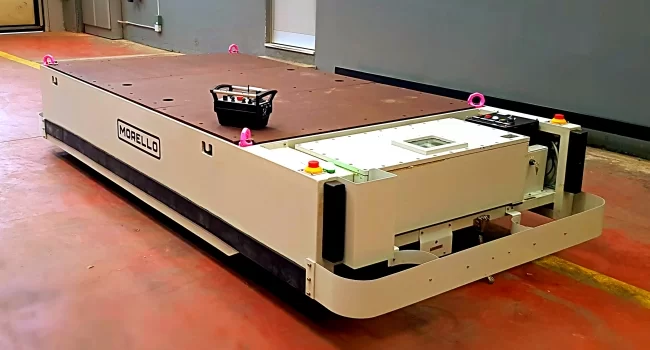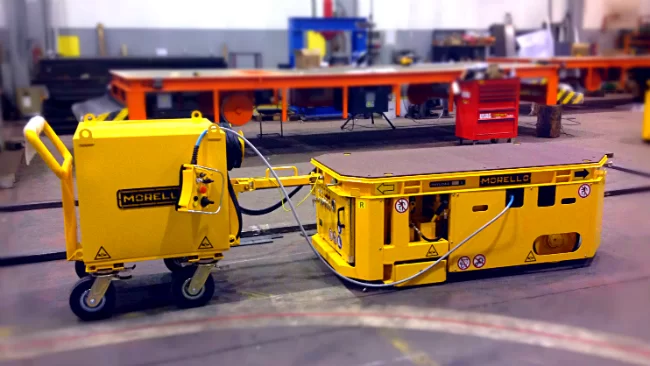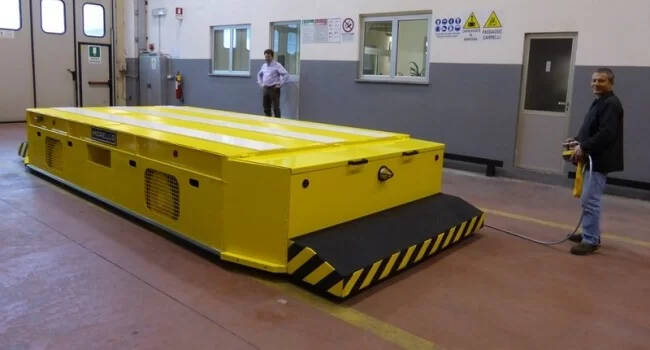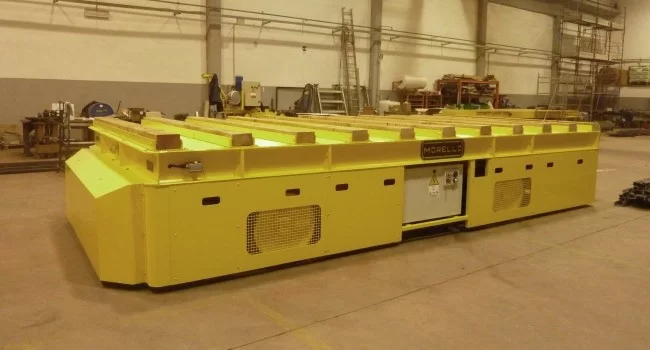
45-ton capacity lifting platform: revolutionizing heavy load operations

Precision engineering meets industrial power in MORELLO’s 45-ton capacity lifting platform, specifically designed for the most demanding heavy load operations. When industrial environments require the vertical movement of massive components, standard lifting solutions often fall short. This robust lifting platform represents the culmination of MORELLO’s expertise in heavy material handling, offering industrial engineers and operations directors a reliable solution for managing extreme weights with exceptional control. With a lifting capacity of 45 tons and customizable dimensions, this platform addresses the complex challenges faced by professionals in energy, construction, and logistics sectors worldwide. The system combines structural integrity with operational precision, enabling the safe elevation of industrial trucks, manufacturing equipment, and other substantial loads. Each platform is engineered with safety mechanisms that ensure stability throughout the lifting process, making it an indispensable asset for facilities that demand uncompromising performance in their material handling infrastructure.

Advanced precision and safety for heavy-duty industrial operations

In the realm of industrial material handling, the capability to lift and position extremely heavy loads with precision and safety represents a critical operational requirement. MORELLO’s 45-ton capacity lifting platform stands as a pinnacle achievement in heavy-duty lifting technology, engineered specifically for operations where conventional lifting methods prove inadequate.

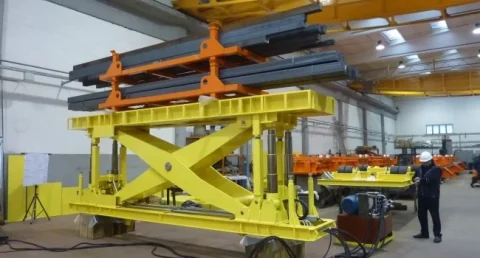
This robust lifting solution addresses the complex challenges faced by industrial facilities that routinely handle massive components. With dimensions of 6,000 x 1,000 mm and a lifting stroke of 1,000 mm, the platform provides substantial workspace while delivering impressive vertical travel. The system employs four telescopic hydraulic cylinders that work in synchronized harmony to ensure stable, controlled elevation even when managing asymmetrical loads.

What distinguishes this lifting platform is its integration of advanced safety features with industrial-grade performance. At the completion of the lifting cycle, four automatic locking devices engage to secure the platform in its elevated position, eliminating reliance solely on hydraulic pressure for sustained elevation. This redundant safety approach is essential when personnel are working with or around suspended loads weighing up to 45 tons.

The platform’s versatility extends to its installation options. Depending on facility requirements, it can be bolted directly to existing flooring or installed within a custom-designed pit for flush integration with the surrounding surface. This flexibility allows implementation across diverse industrial environments without requiring extensive facility modifications.

Powered by an AC motor connected to the electrical grid, the system achieves complete elevation in approximately 80 seconds—an impressive rate considering the substantial weights involved. The electrical power system eliminates the emissions and maintenance concerns associated with combustion engines, making the platform suitable for indoor applications where air quality is a consideration.

Industrial engineers in automotive manufacturing have found particular value in this lifting solution for elevating complete industrial trucks during assembly, maintenance, or inspection processes. However, the platform’s applications extend across numerous sectors where heavy load manipulation is required:

  • Energy sector: Positioning of turbine components and generator assemblies
  • Aerospace: Elevation of aircraft sections during manufacturing
  • Construction: Lifting of precast concrete elements and structural steel
  • Heavy manufacturing: Positioning of machinery during installation

For operations in potentially explosive atmospheres, MORELLO offers specialized configurations that comply with ATEX, IEC Ex, or Hazloc standards. This adaptability ensures that even facilities with strict safety requirements can implement high-capacity lifting solutions without compromising regulatory compliance.

Engineering excellence in industrial lifting solutions

Behind MORELLO’s 45-ton capacity lifting platform lies a sophisticated engineering approach that transforms complex industrial challenges into practical solutions. The development of high-capacity lifting equipment requires a multidisciplinary understanding of structural mechanics, hydraulic systems, electrical engineering, and safety protocols—all areas where MORELLO has established expertise through decades of industrial equipment manufacturing.

The platform’s core engineering brilliance begins with its load distribution system. Unlike conventional lifts that may concentrate pressure at specific points, this 45-ton platform utilizes a balanced force distribution framework that disperses weight evenly across its structure. This engineering principle not only extends the operational lifespan of the equipment but also minimizes floor loading concerns in facilities where structural limitations exist.

The hydraulic system powering these platforms represents another dimension of engineering sophistication. Rather than employing a single high-capacity cylinder—which would create potential stability issues—MORELLO engineers implemented a synchronized quad-cylinder design. This approach ensures that even when loads are not perfectly centered, the platform rises evenly without dangerous tilting. The hydraulic system incorporates precision flow control valves that maintain consistent lifting speeds regardless of load variations, a critical factor when handling delicate industrial components despite their substantial weight.

Material selection plays a crucial role in the platform’s durability and performance. High-tensile steel alloys form the structural components, offering exceptional strength-to-weight ratios that maximize lifting capacity without creating an unnecessarily massive unit. Critical wear surfaces feature specialized treatments that resist abrasion and fatigue, extending maintenance intervals even in continuous operation environments.

The control system governing the lifting operations balances technological sophistication with operator-friendly interfaces. Programmable logic controllers (PLCs) monitor multiple parameters simultaneously, including:

  • Hydraulic pressure across all cylinders
  • Platform levelness during elevation
  • Load distribution sensors
  • Safety interlock status
  • Emergency stop system readiness

This intelligent monitoring occurs without requiring operators to possess advanced technical knowledge, as the interface provides straightforward controls and clear status indicators. For facilities requiring detailed operational data, the system can be configured to integrate with factory management systems, providing real-time performance metrics and maintenance forecasting.

MORELLO’s engineering team employs finite element analysis during the design phase, subjecting virtual prototypes to stresses exceeding normal operational parameters. This computational modeling identifies potential structural weaknesses before physical construction begins, ensuring that the final product delivers reliable performance even under extreme conditions. Physical prototypes undergo rigorous real-world testing, including accelerated lifecycle testing that simulates years of operation compressed into intensive evaluation periods.

The culmination of these engineering practices is a lifting platform that doesn’t merely meet industry standards—it establishes new benchmarks for performance, reliability, and safety in heavy load operations. This engineering excellence translates directly to operational benefits for industrial facilities, reducing downtime and maximizing productivity when handling their most substantial components.

Technical specifications and operational capabilities

Understanding the precise technical parameters of MORELLO’s 45-ton capacity lifting platform provides industrial decision-makers with the critical information needed to evaluate its suitability for specific operational requirements. The platform’s capabilities extend beyond its impressive weight capacity, encompassing a range of performance metrics that define its practical applications in industrial environments.

The platform’s foundational specifications establish its physical parameters and core capabilities:

  • Maximum load capacity: 45 tons (99,000 pounds)
  • Platform dimensions: 6,000 x 1,000 mm (approximately 19.7 x 3.3 feet)
  • Vertical travel distance: 1,000 mm (3.3 feet) from lowest to highest position
  • Complete lifting cycle time: 80 seconds from fully lowered to maximum height
  • Power source: AC electric motor connected to facility power grid

The hydraulic system operates at pressures calibrated specifically for heavy-duty industrial applications, with integrated pressure relief valves that prevent system damage during overload conditions. Hydraulic fluid reservoirs are sized to maintain optimal operating temperatures even during extended operation cycles, with thermal monitoring systems that alert operators if temperatures approach levels that could affect performance or component longevity.

From an operational perspective, the platform demonstrates exceptional versatility across various working conditions. The lifting mechanism maintains consistent performance across its entire rated load range, with no significant speed reductions even when approaching maximum capacity. This consistency allows for predictable operation timing when integrating the platform into sequential manufacturing processes where scheduling precision matters.

The platform’s control system offers multiple operation modes to accommodate different workflow requirements. Standard operation provides smooth, continuous movement throughout the lifting cycle, while precision positioning mode enables incremental adjustments as small as 5mm for exact alignment with adjacent equipment or components. An optional remote control system allows operators to manage lifting operations from a safe distance when handling particularly large or unwieldy loads.

Power efficiency represents another significant technical achievement. Despite its substantial lifting capacity, the electric drive system optimizes energy consumption through intelligent power management. The system draws maximum current only during the initial lifting phase, then reduces consumption during steady-state operation. When holding loads at fixed elevations for extended periods, the mechanical locking system engages automatically, allowing the hydraulic system to depressurize and eliminating unnecessary power consumption.

Environmental adaptability extends the platform’s operational range. Standard configurations operate effectively in ambient temperatures from 0°C to 40°C (32°F to 104°F), while specialized versions are available for extreme environments, including cold-weather packages for unheated facilities and high-temperature modifications for foundries and other heat-intensive operations. The electrical components feature IP65-rated enclosures that resist dust and moisture ingress, enabling reliable performance even in challenging industrial atmospheres.

When integrated into automated manufacturing environments, the platform’s control system can interface with facility management software through standard industrial protocols. This connectivity enables coordinated operation with adjacent material handling equipment, creating seamless workflow automation for complex manufacturing processes involving heavy components.

Customization options for diverse industrial applications

While MORELLO’s 45-ton capacity lifting platform delivers exceptional performance in its standard configuration, the company recognizes that industrial operations often present unique challenges requiring tailored solutions. The platform’s modular design philosophy enables extensive customization without compromising structural integrity or operational reliability, allowing industrial engineers to obtain equipment precisely matched to their specific requirements.

Platform dimension modifications represent one of the most frequently requested customizations. Though the standard 6,000 x 1,000 mm platform accommodates many industrial loads, MORELLO regularly produces variants with altered dimensions to handle specialized components. Wider platforms support items with unusual geometries, while extended length options accommodate elongated loads such as structural beams or vehicle chassis. Each dimensional modification undergoes rigorous structural analysis to ensure that load-bearing capacity remains consistent across the entire platform surface.

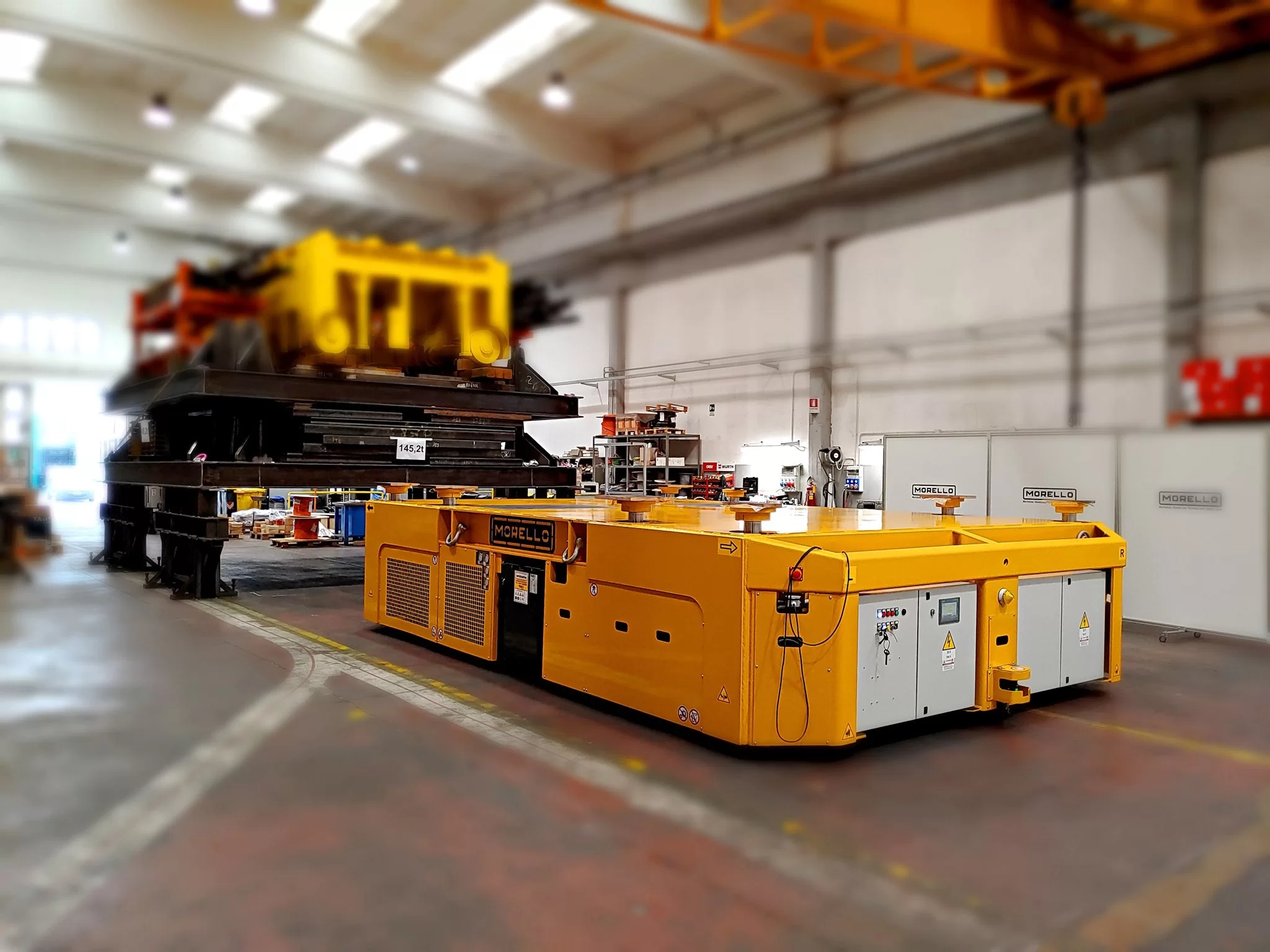
The lifting stroke can be adjusted to match facility requirements, with extended travel options available up to 1,500 mm for applications requiring greater vertical movement. For operations with height restrictions, low-profile configurations minimize the platform’s collapsed height while maintaining full lifting capability. These stroke modifications often involve recalibration of the hydraulic system to maintain optimal lifting speeds throughout the extended or compressed range of motion.

Surface treatments and platform materials can be customized based on the specific materials being handled:

  • Stainless steel construction for corrosive environments or clean room applications
  • High-friction surface coatings that prevent load shifting during elevation
  • Cushioned surfaces for delicate components requiring protection from metal-to-metal contact
  • Specialized coatings for extreme temperature environments or chemical exposure
  • Integrated roller systems that facilitate load transfer to and from the platform

Control system customizations adapt the platform to specific operational workflows. Touch-screen interfaces can replace standard controls for operations requiring detailed parameter adjustments, while programmable position presets allow operators to automatically move to frequently used heights with a single command. For facilities with comprehensive automation, the control system can be integrated with manufacturing execution systems through industrial Ethernet protocols, enabling coordinated operation with adjacent equipment.

Power source alternatives accommodate facilities where standard electrical connections are impractical. Battery-powered options provide mobility when fixed power supplies are unavailable, while pneumatic systems offer solutions for locations where electrical equipment presents safety concerns. For outdoor applications or temporary installations, diesel hydraulic power units deliver independent operation without requiring connection to facility infrastructure.

Safety feature enhancements can be implemented based on specific operational risks. Light curtains detect personnel presence in the platform’s movement zone, automatically halting operation if safety perimeters are breached. Load sensing systems can be calibrated to specific weight distributions, providing warnings if loads are positioned suboptimally. For applications involving combustible materials, explosion-proof components meeting ATEX, IEC Ex, or Hazloc standards ensure operational safety in potentially hazardous atmospheres.

MORELLO’s engineering team collaborates directly with clients during the customization process, conducting site surveys and operational analyses to identify the optimal configuration for each application. This consultative approach ensures that every 45-ton capacity lifting platform delivers maximum value within its specific operational context, with customizations that enhance productivity while maintaining the core reliability that distinguishes MORELLO’s heavy-duty equipment.

Safety features and compliance standards

When managing loads of up to 45 tons, safety becomes not merely a design consideration but a fundamental imperative. MORELLO’s approach to safety engineering in their heavy-duty lifting platforms encompasses multiple layers of protection, creating redundant systems that minimize operational risks even under exceptional circumstances. This comprehensive safety philosophy addresses both anticipated operational hazards and unlikely emergency scenarios.

The platform’s mechanical safety features begin with its structural design. Load-bearing components are engineered with safety factors that exceed industry standards, ensuring structural integrity even when subjected to dynamic loads or minor impacts. The automatic locking system represents a critical safety advancement—once the platform reaches its elevated position, four mechanical locks engage independently of the hydraulic system. This mechanical redundancy ensures that even in the event of complete hydraulic pressure loss, the platform remains securely positioned without unexpected descent.

Hydraulic safety systems provide additional protection layers. Velocity fuses installed at each cylinder automatically arrest platform movement if they detect abnormal descent rates indicative of hydraulic line rupture. Pressure-compensated flow control valves maintain consistent lowering speeds regardless of load weight, preventing uncontrolled descent even with maximum capacity loads. The hydraulic circuit incorporates check valves that compartmentalize the system, preventing catastrophic pressure loss if individual components fail.

The electrical control system incorporates multiple safety interlocks:

  • Emergency stop buttons positioned at multiple access points for immediate system shutdown
  • Phase monitoring relays that prevent operation if incorrect power supply conditions are detected
  • Perimeter safety switches that halt operation if maintenance panels are removed
  • Overload detection systems that prevent lifting attempts beyond rated capacity
  • Motion warning indicators providing visual and audible alerts during platform movement

For personnel safety, the platform features anti-slip surface treatments that maintain traction even when exposed to industrial fluids. Guard rails can be integrated into the platform design for applications where operators must ride on the platform during elevation. Toe guards around the perimeter prevent small items from falling into pinch points during platform descent.

MORELLO’s lifting platforms comply with rigorous international safety standards, including the EU Machinery Directive 2006/42/EC and relevant ANSI standards for industrial equipment. Each unit undergoes comprehensive factory acceptance testing, including load testing at 110% of rated capacity to verify safety system functionality under stress conditions. Documentation packages include detailed risk assessments and recommended maintenance schedules to maintain safety compliance throughout the equipment’s operational life.

For specialized environments with unique safety requirements, MORELLO provides tailored compliance solutions. Platforms intended for explosive atmospheres undergo certification to ATEX Directive 2014/34/EU, IEC Ex standards, or North American Hazloc requirements depending on installation location. For pharmaceutical or food production environments, materials and surface finishes can meet FDA requirements or ISO 14644 cleanroom standards without compromising lifting performance.

Safety training forms an integral component of MORELLO’s implementation process. Technicians provide comprehensive operator training during installation, covering normal operation procedures, emergency protocols, and basic troubleshooting. This training ensures that facility personnel understand not just how to operate the equipment, but how to recognize potential issues before they develop into safety concerns.

Advancing heavy load operations with engineered excellence

The 45-ton capacity lifting platform represents MORELLO’s commitment to solving the most challenging industrial material handling requirements through innovative engineering and uncompromising quality. By combining robust structural design, advanced safety systems, and adaptable customization options, these platforms deliver exceptional performance across diverse industrial applications. From automotive manufacturing to energy production, operations that depend on the precise movement of substantial loads benefit from equipment specifically engineered to handle these demanding requirements safely and efficiently. The platform’s integration of mechanical reliability with technological sophistication creates a solution that enhances productivity while minimizing operational risks.

Ready to transform your heavy load handling capabilities? Contact MORELLO’s engineering team today to discuss how a customized 45-ton capacity lifting platform can optimize your specific industrial operations. Our experts will analyze your requirements and develop a tailored solution that addresses your unique material handling challenges with precision-engineered excellence.
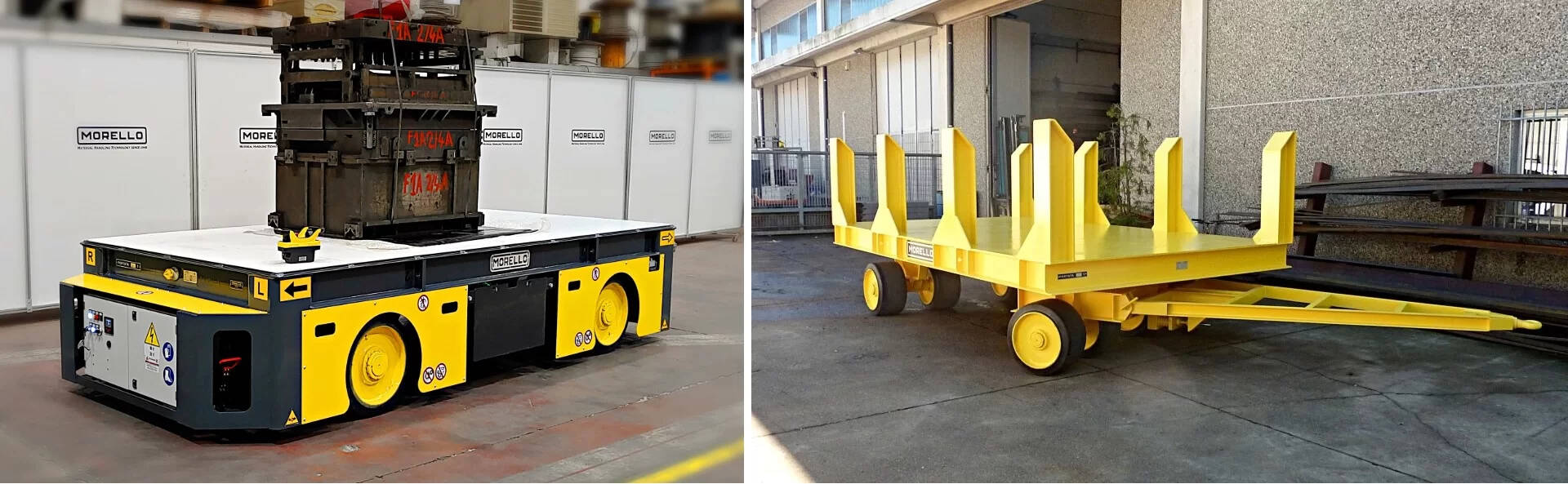
Self-propelled trolleys vs Trailer systems: key differences explained

In modern industrial operations, choosing between self-propelled trolleys and traditional trailer systems can significantly impact efficiency, safety, and operational costs. This critical decision affects industries ranging from automotive manufacturing to power generation, where heavy load handling is a daily challenge. Self-propelled trolleys and trailer systems each offer distinct approaches to material handling, with fundamental differences in their design, operation, and application. Understanding these differences is essential for industrial engineers and operations managers who need to optimize their material handling processes. Whether you’re moving heavy transformers, press molds, or prefabricated components, the choice between these two systems can dramatically influence your facility’s productivity and safety standards. Let’s explore the key distinctions between self-propelled trolleys and trailer systems to help you make an informed decision for your specific operational needs.

Traditional trailer systems: operational challenges and limitations

Traditional tractor-trailer systems, while common in industrial settings, present several significant operational challenges that impact both safety and efficiency. The fundamental design of these systems, combining separate towing vehicles with trailers, creates inherent limitations that industrial facilities must carefully consider.

Safety concerns represent the primary challenge in traditional trailer systems. Most towing vehicles, including forklifts and electric tractors, often lack specific certification for pulling particular trailers, creating potential safety risks. This becomes especially problematic when operating on inclined surfaces, where inadequate braking capacity can lead to dangerous situations. The articulated nature of these systems also presents significant maneuverability challenges, particularly during reverse operations.

Operational inefficiencies further compound these challenges. The complex maneuvering required by tractor-trailer combinations often results in extended handling times and requires larger operational spaces. This spatial requirement becomes particularly problematic in facilities where square footage carries premium value. The system’s articulated design necessitates wider turning radiuses and longer pathways, reducing overall operational efficiency.

From a cost perspective, traditional trailer systems demand substantial resources. The need to maintain two separate units – the tractor and trailer – increases maintenance expenses and complexity. Energy efficiency also suffers as these systems must move three distinct components: the tractor, trailer, and load. This inefficiency translates directly into higher operational costs and reduced productivity.

The human factor adds another layer of complexity. Operators must master specific skills for safe system operation, including proper hitching procedures and careful speed management during turns to prevent tipping. These requirements increase training needs and the potential for human error, which can result in accidents or equipment damage.

Advantages of self-propelled trolleys: safety and efficiency features

Self-propelled trolleys represent a significant advancement in material handling technology, offering substantial improvements in both safety and operational efficiency. These systems are specifically engineered with integrated safety features that address many of the limitations inherent in traditional tractor-trailer configurations.

The safety architecture of self-propelled trolleys begins with their comprehensive CE certification, ensuring they meet stringent safety standards for their intended load capacity and operating conditions. These systems are custom-designed to account for specific facility conditions, including floor surfaces, gradients, and load requirements. The implementation of remote control operations allows operators to maintain a safe distance while maintaining optimal visibility around the equipment, significantly reducing accident risks.

Advanced technological features enhance operational safety further. Software-controlled steering systems prevent sudden movements that could lead to load instability, while sophisticated collision avoidance systems, including laser scanners, provide comprehensive protection in both forward and reverse operations. These features create a robust safety envelope around the equipment during operation.

From an efficiency standpoint, self-propelled trolleys excel through their compact design and simplified operation. Their integrated construction eliminates the need for complex maneuvering associated with articulated systems, resulting in shorter transport paths and reduced handling times. The omnidirectional steering capability allows for precise positioning in confined spaces, maximizing facility space utilization.

Energy efficiency represents another significant advantage. By consolidating the transport mechanism into a single unit, self-propelled trolleys minimize power consumption compared to traditional systems. This efficiency extends to maintenance requirements, as there’s only one integrated system to maintain rather than separate tractor and trailer components. The streamlined design not only reduces operational costs but also contributes to improved reliability and reduced downtime.

Comparative analysis: differences between self-propelled trolleys and trailer systems in industrial applications

When evaluating material handling solutions for industrial applications, the distinctions between self-propelled trolleys and trailer systems become particularly evident in practical scenarios. The key differences manifest across multiple operational aspects, significantly impacting facility performance and efficiency.

In terms of operational flexibility, self-propelled trolleys demonstrate superior adaptability in diverse industrial environments. Their integrated design allows for precise movements in confined spaces, while trailer systems require extensive maneuvering areas and predetermined paths. This flexibility becomes particularly valuable in facilities where space optimization is crucial, such as manufacturing plants and logistics centers.

The economic implications of choosing between these systems extend beyond initial investment considerations. While trailer systems might appear cost-effective initially due to their modular nature, self-propelled trolleys often prove more economical over time. The reduced maintenance requirements, lower energy consumption, and increased operational efficiency contribute to a more favorable total cost of ownership for self-propelled solutions.

Productivity metrics reveal significant differences in material handling capabilities. Self-propelled trolleys excel in scenarios requiring frequent load transfers and precise positioning, completing operations more quickly and with greater accuracy. Traditional trailer systems, while capable of handling multiple loads simultaneously, often require more time for coupling, uncoupling, and maneuvering procedures.

Infrastructure requirements also differ substantially between the two systems. Trailer systems typically demand wider aisles, larger turning areas, and more robust floor surfaces to accommodate their articulated design. In contrast, self-propelled trolleys can operate effectively in more constrained environments, requiring minimal infrastructure modifications. This difference becomes particularly relevant when retrofitting existing facilities or planning new installations.

The integration capabilities with existing industrial processes further differentiate these systems. Self-propelled trolleys can be more easily incorporated into automated workflows and Industry 4.0 environments, offering superior compatibility with modern control systems and facility management software. This adaptability ensures better alignment with evolving industrial automation requirements.

Maximizing industrial efficiency through informed system selection

The choice between self-propelled trolleys and traditional trailer systems significantly impacts industrial operations’ safety, efficiency, and cost-effectiveness. Self-propelled trolleys emerge as the superior solution, offering enhanced safety features, improved operational efficiency, and lower long-term costs. Their integrated design, advanced control systems, and adaptability to various industrial environments make them particularly valuable for facilities prioritizing operational excellence and safety standards.

MORELLO‘s expertise in custom material handling solutions ensures that each system is tailored to meet specific operational requirements while maintaining the highest safety and efficiency standards. Our engineering team specializes in designing and implementing self-propelled trolley systems that optimize your material handling processes.

Ready to enhance your facility’s material handling capabilities? Contact us today to discuss how our self-propelled trolley solutions can transform your operations and drive operational excellence.

MORELLO: global leader in heavy-duty cart manufacturing for Industry 4.0

As a premier global heavy-duty cart manufacturer, MORELLO has established itself as an industry leader in custom material handling solutions. Specializing in equipment capable of moving loads exceeding 1,000 tons, we deliver innovative transportation systems that meet the complex demands of multinational corporations worldwide. Our expertise spans across critical sectors including energy, manufacturing, and logistics, providing tailored solutions for challenging industrial environments. From self-propelled carts and AGVs to industrial trailers and specialized handling equipment, MORELLO’s comprehensive range of products incorporates cutting-edge IoT technology and Industry 4.0 capabilities. Understanding that each industrial operation presents unique challenges, we approach every project with a commitment to delivering customized solutions that optimize efficiency, ensure safety, and enhance operational productivity. Our dedication to excellence and innovative problem-solving has earned us the trust of industry leaders across continents.

Engineering excellence: what makes a global heavy-duty cart manufacturer stand out

In the demanding world of industrial material handling, MORELLO distinguishes itself through a comprehensive approach to engineering excellence. As a global heavy-duty cart manufacturer, our success stems from an unwavering commitment to understanding and solving complex industrial challenges. This expertise is particularly evident in our ability to design and manufacture equipment capable of handling loads exceeding 1,000 tonnes with precision and reliability.

Our engineering process begins with an in-depth analysis of client requirements, incorporating detailed site assessments and operational constraints. This thorough approach ensures that each solution is perfectly aligned with the specific needs of different industrial environments, from energy sector facilities to manufacturing plants. The integration of advanced technologies, including IoT capabilities and smart control systems, demonstrates our commitment to pushing the boundaries of what’s possible in material handling.

What truly sets MORELLO apart is our ability to combine innovative design with practical functionality. Each piece of equipment undergoes rigorous testing and validation processes, ensuring optimal performance in challenging industrial conditions. Our engineering team specializes in developing custom solutions that not only meet current operational requirements but also anticipate future needs, providing clients with scalable and adaptable material handling systems that grow with their business.

Advanced solutions from top manufacturers of material handling carts

As one of the leading top manufacturers of material handling carts, MORELLO consistently pushes the boundaries of technological innovation in industrial transportation systems. Our advanced solutions incorporate cutting-edge features that set new standards in the industry, including state-of-the-art power generation systems, sophisticated control mechanisms, and intelligent safety features.

The integration of Industry 4.0 technologies represents a cornerstone of our manufacturing philosophy. Our equipment features advanced IoT capabilities, enabling remote assistance and real-time monitoring of operational parameters. This smart technology integration extends to our brushless motor systems, which offer superior performance and longevity compared to traditional solutions. The implementation of omnidirectional steering systems provides unprecedented maneuverability in confined spaces, while our proprietary software ensures seamless integration with clients’ existing management systems.

Safety remains paramount in our design approach, with comprehensive sensor arrays, advanced positioning systems, and automated wear monitoring capabilities built into every unit. Our solutions include human-machine interface controls, smart vision systems, and autonomous navigation capabilities for AGV applications. These features combine to create material handling solutions that not only meet current industry demands but also anticipate future needs, ensuring our clients maintain a competitive edge in their respective sectors.

Custom material handling technology for complex industrial environments

MORELLO’s expertise in developing customized material handling solutions addresses the unique challenges faced by diverse industrial sectors. Our specialized equipment serves critical industries including energy, automotive, and heavy manufacturing, where standard solutions often fall short. As a heavy-duty cart manufacturer, we understand that each industrial environment presents distinct operational requirements and safety considerations.

In the energy sector, our ATEX-certified trolleys meet the stringent safety requirements for hazardous environments, while our nuclear industry solutions incorporate specialized shielding and remote operation capabilities. For manufacturing facilities, our equipment handles the precise movement of large tools and industrial components, ensuring smooth production flows. The chemical industry benefits from our corrosion-resistant designs and specialized containment features.

Our approach to customization extends beyond mere equipment modification. We develop comprehensive solutions that consider facility layout, operational workflows, and specific safety protocols. This includes specialized steering configurations for confined spaces, custom load-bearing capacities, and tailored power systems to match operational requirements. The integration of industry-specific safety features and compliance with international standards ensures our equipment meets the most demanding regulatory requirements while maintaining optimal performance in challenging industrial environments.

Project management and quality control in heavy-duty equipment manufacturing

At MORELLO, our project management approach combines precision engineering with rigorous quality control to deliver exceptional material handling solutions. Each project begins with the formation of a dedicated team that brings together expertise in design, engineering, and implementation. This structured approach ensures that every aspect of the manufacturing process meets our exacting standards as a leading global manufacturer.

Our comprehensive quality control system encompasses multiple checkpoints throughout the manufacturing process. From initial design validation to final testing, each phase adheres to strict quality protocols. The implementation of detailed documentation, including project quality control plans and vendor data requirements, ensures transparency and accountability throughout the project lifecycle. Regular client progress reports maintain clear communication channels and allow for real-time adjustments based on feedback.

The complexity of modern industrial projects demands sophisticated management tools and methodologies. Our project teams utilize advanced scheduling systems, risk analysis frameworks, and detailed testing procedures to ensure timely delivery and optimal performance. This systematic approach has enabled us to successfully deliver custom material handling solutions to major corporations worldwide, meeting the most stringent international quality standards. Through continuous monitoring and adaptation of our processes, we maintain the highest levels of manufacturing excellence while ensuring each project meets specific client requirements.

Partnering with industry leaders in material handling solutions

MORELLO‘s position as a leading global heavy-duty cart manufacturer is built on decades of engineering excellence, innovative solutions, and unwavering commitment to quality. Our comprehensive approach to custom material handling equipment continues to set industry standards, serving the diverse needs of multinational corporations across various sectors. By combining advanced technology with expert project management, we deliver solutions that drive operational efficiency and safety in complex industrial environments.

Ready to transform your material handling operations? Contact us today to discuss your specific requirements and discover how our custom solutions can optimize your industrial processes. Our team of experts is prepared to guide you through every step of the journey, from initial consultation to final implementation.

Heavy-duty ATEX battery-powered trolley: ultimate Oil & Gas solution

In the demanding environments of oil and gas facilities, safety and efficiency in material handling are paramount. The heavy-duty ATEX battery-powered trolley represents a breakthrough in specialized transport solutions, designed specifically for hazardous areas classified as Zone 1. This robust equipment combines advanced omnidirectional mobility with ATEX certification, ensuring safe operations in explosive atmospheres. Engineered to meet the stringent requirements of the oil and gas industry, this multidirectional battery-powered trolley offers unparalleled flexibility with its ability to execute precise movements, including 90-degree turns, carousel rotations, and diagonal travel, all while maintaining the highest safety standards.

Technical specifications and safety features

The multidirectional battery-powered trolley represents the pinnacle of engineering excellence in hazardous environment material handling. This sophisticated system combines robust construction with advanced safety features, specifically designed for the demanding requirements of oil and gas operations.

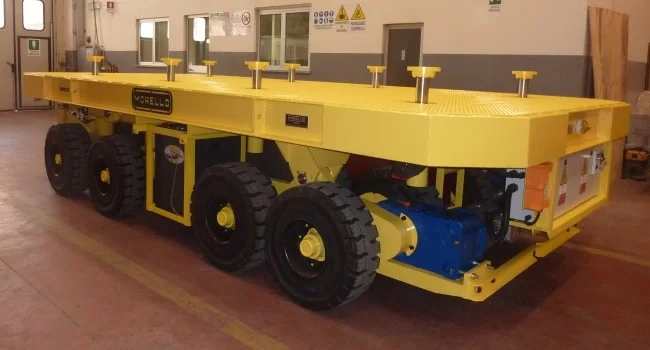
At the core of this heavy-duty ATEX battery-powered trolley’s capabilities is its impressive 35-ton load capacity, supported by an innovative eight-wheel drive system. Each wheel is independently powered, providing superior traction and stability, particularly crucial when operating on steel decks of offshore platforms where grip can be challenging due to surface conditions and vessel movement.

The trolley’s omnidirectional steering system stands out as a key technical achievement. This feature enables precise maneuverability in confined spaces, offering multiple steering modes:

  • 90-degree rotation for tight corners
  • Carousel steering for 360-degree turns in place
  • Diagonal movement for efficient positioning
  • Compass steering for flexible directional control
  • Traditional front steering for conventional transport

Safety considerations are paramount in the design, with all electrical components meeting stringent ATEX and IECEx certification requirements for Zone 1 IIB T3 classification. The minimum IP65 protection grade ensures reliable operation in harsh environmental conditions, protecting against dust ingress and water jets from any direction.

The power system features an innovative battery management solution that allows for safe battery disconnection and replacement within hazardous areas. This unique capability ensures continuous operation without compromising safety protocols. The battery system provides approximately four hours of continuous operation at full capacity, with a travel speed of 1.8 km/h under full load conditions.

Durability is enhanced through careful material selection and construction. All fasteners, including bolts and nuts, are manufactured from high-grade stainless steel. The entire structure features a C5-M painting cycle, providing superior protection against extreme corrosion in maritime environments. This comprehensive anti-corrosion treatment ensures long-term reliability in offshore conditions where salt spray and humid conditions pose significant challenges.

The trolley’s operational control system utilizes a radio remote controller, allowing operators to maintain safe distances while ensuring precise movement control. This remote operation capability enhances both safety and operational efficiency, particularly in hazardous environments where minimizing personnel exposure is crucial.

Performance specifications include a 5% climbing ability, demonstrating the trolley’s capability to handle inclined surfaces commonly found in industrial settings. The robust drive system, powered by AC brushless motors for both traction and steering, ensures reliable performance and reduced maintenance requirements. These motors are specifically designed for hazardous area operation, combining efficiency with intrinsic safety features.

The trolley’s compact dimensions of 3,400 x 2,200 mm optimize its functionality in space-constrained environments while maintaining stability under full load conditions. This careful balance between size and capability makes it particularly suitable for offshore platforms and other industrial facilities where space utilization is critical.

Every aspect of this heavy-duty ATEX battery-powered trolley reflects a deep understanding of oil and gas industry requirements, from its robust construction to its comprehensive safety features. The integration of advanced technology with industrial-grade durability creates a material handling solution that sets new standards for safety and efficiency in hazardous area operations.

Improving material handling in hazardous environments

The heavy-duty ATEX battery-powered trolley represents a significant advancement in material handling technology for the oil and gas industry. Its combination of robust construction, advanced safety features, and versatile operational capabilities makes it an invaluable asset for operations in hazardous environments. The multidirectional battery-powered trolley with 35-ton capacity demonstrates how innovative engineering can effectively address the complex challenges of material movement in explosive atmospheres while maintaining the highest safety standards.

Ready to enhance your facility’s material handling capabilities with a custom-engineered solution? MORELLO‘s expertise in designing and manufacturing specialized handling equipment ensures your specific operational requirements are met with precision and reliability. Contact our team of experts today to discuss how our ATEX-certified solutions can optimize your material handling operations while maintaining the highest safety standards in hazardous environments.

How to choose the right 15-ton ATEX battery-powered truck for your facility

Selecting the right ATEX battery-powered truck requires careful consideration of safety requirements and operational specifications. These specialized vehicles are designed for use in hazardous environments where standard equipment could pose risks due to potentially explosive atmospheres. When evaluating a 15-ton ATEX battery-powered truck, key factors include the specific hazardous zone classification, load capacity requirements, and spatial constraints of your facility. Understanding these elements is crucial for ensuring both operational efficiency and compliance with international safety standards. The truck’s design must incorporate certified components, from motors to electrical panels, while maintaining optimal performance characteristics. This article will walk you through the essential considerations for choosing an ATEX battery-powered truck that meets your heavy-duty material handling needs while ensuring maximum safety in potentially explosive environments.

Essential criteria for selecting a battery-powered truck

When choosing a 15-ton ATEX battery-powered truck, key factors include the hazardous area classification, ensuring the truck meets the appropriate ATEX certification for safety. The truck’s dimensions, such as compact designs around 2000 x 1000 mm, must balance load distribution and maneuverability, especially in confined spaces. Wheel configuration is crucial to ensure optimal weight distribution and floor protection.

The power system needs careful consideration, with battery placement often requiring customization to maintain maneuverability while ensuring operational efficiency. All electrical components, including motors and control systems, must comply with ATEX certification for the specific hazardous zone. Key operational specifications to assess include steering capabilities, maximum speed (typically 20 m/min), battery autonomy, and emergency safety features.

The truck’s construction quality is vital, particularly for demanding environments like offshore platforms, with robust materials that resist corrosion and meet specific safety standards. Customization options should be available to accommodate unique load shapes and requirements, while maintaining ATEX compliance.

Maintenance considerations are equally important, with easy access to service points while ensuring explosion-proof integrity. The manufacturer should provide technical support and certified replacement parts. Compliance with international standards, such as IECEx, is essential to meet regulatory requirements.

The control system should offer intuitive operation while maintaining explosion-proof safety, and be designed for efficient operator training. Finally, the manufacturer’s experience with ATEX-certified equipment, custom solutions, and providing comprehensive documentation is critical for successful operation.

Safety certifications and hazardous environment compliance

Understanding safety certifications and hazardous environment compliance is crucial when selecting an ATEX battery-powered truck. These vehicles must meet strict safety standards to operate in explosive atmospheres where conventional equipment poses significant risks. ATEX certification ensures all components, from electrical systems to mechanical parts, prevent ignition sources. The certification process involves thorough testing and documentation for every component, including motors and control systems.

Hazardous zones, such as Zone 1 and Zone 2, require different levels of protection. Trucks operating in Zone 1 need more robust safety features than those designed for Zone 2. The electrical system must include explosion-proof enclosures and intrinsically safe circuits, ensuring reliability under challenging conditions.

Material selection is critical for safety compliance, with components designed to resist static buildup and corrosion. Anti-static properties must be maintained throughout the truck’s operational life, and regular testing is required. Temperature monitoring systems ensure the truck’s surface temperature remains below the ignition point of explosive substances, with fail-safes preventing operation if safe limits are exceeded.

Documentation requirements include certifications, testing reports, safety specifications, maintenance protocols, and emergency procedures. The manufacturer should guide risk assessments, safety audits, and compliance throughout the truck’s lifecycle. Compliance with international standards such as IECEx may also be necessary, depending on the region.

Operator safety features, such as emergency stop systems and speed limiters, must be integrated without compromising the explosion-proof design. Regular training and safety audits ensure the truck maintains its certification and safe operation.

Technical specifications and performance requirements

Technical specifications and performance requirements are crucial for operational efficiency, safety, and reliability in hazardous environments, with the truck needing to meet a minimum 15-ton load capacity and additional safety margins for dynamic loading. The drive system, powered by ATEX-certified AC motors, ensures precise control while balancing power needs with safety.

Battery design is vital, with specifications such as voltage, amperage, operating duration, and temperature management systems, ensuring the power source provides enough capacity and maintains safety. The truck’s wheel configuration affects load distribution and maneuverability, with multiple wheel arrangements minimizing ground pressure. The steering system must ensure stability under full load, with front axle steering optimizing maneuverability in confined spaces.

Speed control systems should allow for safe operation at different load levels, maintaining stability and preventing load shifting. The truck’s frame must withstand continuous stress, utilizing high-grade steel and reinforced stress points for long-term reliability. Hydraulic systems, if included, must be explosion-proof and reliable under varying temperatures.

The control system interface, including emergency stop functions and diagnostic capabilities, ensures intuitive operation while maintaining ATEX compliance. Dimensional specifications, such as compact design for confined spaces, and braking systems, including fail-safe features, are critical for operational versatility and safety.

Environmental protection, such as corrosion-resistant components and sealing systems, ensures reliability in harsh conditions. Maintenance access must be designed to align with ATEX standards, providing easy servicing while maintaining explosion-proof integrity and compliance during repairs.

Battery system configuration and power management

Battery system configuration and power management are vital for the operation of ATEX battery-powered trucks, particularly in hazardous environments. The integration of explosion-proof battery systems requires advanced engineering to ensure both efficiency and safety compliance. The selection of certified battery technologies, such as gel, lead-acid, or lithium, depends on factors like energy density, cycle life, and safety features suited for explosive atmospheres.

Battery management systems incorporate key safety features, including temperature monitoring, voltage regulation, state-of-charge monitoring, emergency shutdown, and diagnostic functions. Power distribution systems must maintain ATEX compliance with certified electrical connections, redundant safety features, and isolation mechanisms to prevent ignition sources. Charging stations must also meet explosion-proof standards with interlocks and ventilation for safe operation.

Energy efficiency is a critical aspect, with advanced power management algorithms extending operational duration through energy conservation, including regenerative systems for energy recovery during braking. Thermal management systems prevent overheating, ensuring components remain within safe temperature limits for explosive environments.

Battery containment must be explosion-proof while allowing for easy maintenance. Monitoring systems provide real-time data on battery health and performance, while emergency power management systems ensure safe operation during failures. Maintenance protocols include regular inspections, testing, and component replacements to maintain safety certification.

The integration with vehicle control systems optimizes power usage based on load and environmental conditions. Comprehensive documentation and compliance tracking ensure safety standards are met, supporting future upgrades while maintaining ATEX certification to accommodate emerging battery technologies.

Advantages of ATEX battery-powered trucks in confined spaces

ATEX battery-powered trucks offer numerous benefits when operating in confined spaces, especially in hazardous environments where safety and efficiency are critical. These trucks combine electric power with explosion-proof safety features, making them ideal for restricted areas where traditional equipment may pose risks.

A primary advantage is zero emissions operation, which eliminates exhaust emissions from internal combustion engines, improving air quality and creating safer working environments in areas with limited ventilation. Enhanced maneuverability is another key benefit, with features like precise control, a reduced turning radius, and smooth acceleration, allowing for operation in narrow aisles and tight spaces.

Noise reduction capabilities make electric-powered trucks advantageous in environments where noise control is essential. These trucks operate at lower noise levels, reducing noise pollution and improving communication among workers. Additionally, ATEX certification ensures safety components meet strict requirements for explosive atmospheres, with compact designs maintaining necessary safety features without compromising maneuverability.

Battery-powered trucks excel in load handling precision, enabling accurate load placement while reducing the risk of collisions and maximizing space utilization in restricted environments. Maintenance access is also optimized, with design features allowing essential tasks to be performed in confined spaces, reducing the need for large service areas.

Temperature management benefits include lower heat generation compared to internal combustion engines, helping maintain stable environmental conditions in sensitive areas. Energy efficiency is enhanced with regenerative systems that recover energy during braking and load lowering, extending operational duration and reducing charging frequency.

These trucks also reduce environmental impact and operating costs in the long term, with lower maintenance requirements and energy efficiency contributing to sustainable operations.

Making the right choice for your facility’s material handling needs

Selecting a 15-ton ATEX battery-powered truck requires careful consideration of multiple factors, from safety certifications to operational specifications. The right choice depends on understanding your facility’s specific requirements, hazardous environment classifications, and spatial constraints. By evaluating these critical aspects, you can ensure your investment delivers optimal performance while maintaining the highest safety standards in explosive atmospheres.

MORELLO specializes in designing and manufacturing customized ATEX-certified material handling solutions that meet the most demanding industrial requirements. Our expertise in creating battery-powered trucks for hazardous environments ensures you receive equipment that perfectly matches your operational needs while maintaining complete safety compliance.

Ready to enhance your material handling capabilities with a custom solution? Contact us today to discuss your specific requirements and discover how our expertise can help you achieve optimal efficiency in your hazardous environment operations.

Industrial battery-powered transfer trolley: advanced motorized support system

The industrial battery-powered transfer trolley with motorized support system represents a breakthrough in heavy-duty material handling technology. Engineered for precision and efficiency, this advanced system combines robust battery-powered operation with sophisticated motorized supports, specifically designed to handle loads up to 20 tons. The integration of dual motorized support stands with rollers and tailstocks makes it particularly effective for managing specialized cargo like windings and mandrels in transformer manufacturing facilities. This innovative solution addresses the complex challenges faced by industrial facilities requiring precise, powerful, and reliable material handling equipment for their daily operations.

Technical specifications and capabilities

The industrial battery-powered transfer trolley exemplifies advanced engineering in material handling solutions. At its core, this sophisticated system delivers exceptional performance through carefully designed technical specifications that meet the demanding requirements of modern industrial environments.

The system’s primary strength lies in its impressive load capacity of 20 tons, making it ideal for heavy-duty industrial applications. This robust carrying capability is complemented by a thoughtfully designed support structure featuring dual motorized stands equipped with precision rollers and tailstocks. These components work in harmony to provide stable and secure handling of specialized materials, particularly crucial when managing transformer windings and industrial mandrels.

Motion control and operational efficiency are achieved through the advanced AC low-voltage engine system. The trolley maintains a consistent speed of 20 meters per minute while carrying full capacity loads, ensuring reliable and efficient material transport. This careful balance of power and control makes it particularly effective in environments where precise movement is essential.

The battery-powered system represents a significant advancement in sustainable material handling. Operating on clean electric power, it eliminates the environmental concerns associated with traditional fuel-powered equipment while maintaining consistent performance throughout operational cycles. The battery-powered system is engineered for extended operation, minimizing downtime and maximizing productivity.

Safety features are integrated throughout the design, starting with the non-marking cushion tires that protect facility flooring while ensuring stable movement. The remote control system allows operators to maintain safe distances during operation, significantly reducing workplace hazards. This feature is particularly valuable when maneuvering in confined spaces or around sensitive equipment.

The trolley’s dimensional specifications of 4,300 x 2,500 mm provide an optimal footprint for industrial applications, offering sufficient platform space while maintaining maneuverability in typical factory settings. This careful balance of size and capability makes it particularly suitable for transformer manufacturing facilities and similar industrial environments.

Adaptability to various industrial environments is enhanced through optional certifications including ATEX, IECEx, and HazLoc standards. These certifications ensure the equipment can operate safely in potentially hazardous environments, expanding its utility across different industrial sectors. This flexibility makes it a versatile solution for facilities requiring strict compliance with international safety standards.

The motorized support system represents a significant advancement in material handling technology. The dual support stands are precisely engineered to provide stable and controlled movement of materials, while the integrated rollers and tailstocks ensure secure handling of cylindrical loads like windings and mandrels. This specialized design makes it particularly effective in transformer manufacturing applications where precise handling of delicate yet heavy components is crucial.

Control systems are designed with operator efficiency in mind. The remote control interface provides intuitive operation, allowing for precise positioning and movement control from a safe distance. This feature not only enhances safety but also improves operational efficiency by enabling single-operator control of complex movements.

Maintenance considerations have been carefully integrated into the design, with easily accessible components and robust construction ensuring long-term reliability. The use of industrial-grade materials and components throughout the system helps minimize maintenance requirements while maximizing operational uptime.

The combination of these technical features creates a highly capable material handling solution that addresses the complex challenges faced by modern industrial facilities. Whether operating in standard industrial environments or specialized manufacturing settings, this battery-powered transfer trolley system delivers the performance, safety, and reliability required for demanding material handling applications.

Transforming industrial material handling with innovative solutions

The industrial battery-powered transfer trolley with motorized support system represents the pinnacle of modern material handling technology. Its combination of robust performance, advanced safety features, and precise control capabilities makes it an invaluable asset for facilities managing heavy-duty transport operations. As industries continue to evolve, the demand for efficient, safe, and reliable material handling solutions becomes increasingly critical.

MORELLO‘s commitment to innovation and customization ensures that each trolley system is perfectly adapted to meet specific operational requirements. Whether you’re managing transformer components, heavy industrial materials, or specialized equipment, our engineering team is ready to develop a solution that matches your exact specifications.

Ready to transform your material handling operations? Contact us today to explore how our industrial battery-powered transfer trolley solutions can enhance your facility’s efficiency and safety.

Battery-powered trolleys: advanced hot steel pipe handling solutions

In the demanding world of steel manufacturing, the safe and efficient handling of high-temperature pipes requires specialized equipment designed to withstand extreme conditions. Battery-powered trolleys for hot steel pipe handling represent a cutting-edge solution that combines mobility, safety, and precision in material handling operations. These innovative transport systems are specifically engineered to manage pipes at temperatures reaching up to 1000°C while maintaining operational efficiency and worker safety. With advanced features like insulated loading decks and specialized saddle designs, these trolleys offer a reliable solution for steel manufacturing facilities looking to optimize their production processes. The integration of battery power ensures environmentally conscious operation while providing the necessary torque and endurance for continuous material movement. This technology marks a significant advancement in industrial material handling, particularly in environments where traditional transport methods may fall short.

Engineering excellence: trolley systems for high-temperature pipe transportation

The evolution of industrial material handling has reached new heights with specialized battery-powered trolleys designed specifically for hot steel pipe transportation. These sophisticated systems represent a perfect fusion of robust engineering and advanced safety features, capable of handling materials at extreme temperatures while maintaining operational efficiency.

At the heart of these innovative systems lies a carefully engineered loading deck featuring multiple layers of specialized insulating concrete. This advanced construction enables the safe transportation of steel pipes at temperatures reaching up to 1000°C. The deck’s design incorporates high-grade Inconel steel sheets, typically 10mm thick, providing an additional layer of protection and durability during high-temperature operations.

The power system of these trolleys utilizes advanced lead-acid batteries, engineered to deliver consistent performance throughout extended operational periods. With a capability to maintain full functionality for up to four hours of continuous translation, these units ensure reliable service during critical manufacturing processes. The implementation of AC motors operating at low voltage not only enhances safety but also provides precise control over movement and positioning.

Performance specifications of these systems are equally impressive, with the ability to handle loads up to 15 tons while maintaining a steady speed of 20 meters per minute at full capacity. The integration of front axle steering systems ensures precise maneuverability, particularly crucial when navigating through complex industrial environments with hot materials.

Safety features are paramount in these systems, incorporating:

  • Advanced thermal insulation systems
  • Specialized rubber wheels for stable movement
  • Emergency stop mechanisms
  • Temperature-resistant components
  • Ergonomic control interfaces

The versatility of these trolley systems extends to their adaptability for specialized environments. When required, they can be configured to meet ATEX and IECEx standards, making them suitable for operation in potentially explosive atmospheres. This adaptability ensures compliance with the strictest safety regulations while maintaining optimal performance in challenging industrial settings.

The integration of AC motors operating at low voltage represents a significant advancement in terms of both safety and operational efficiency. These motors provide precise control over movement and positioning, crucial when handling high-temperature materials in confined spaces. The low-voltage system adds an extra layer of safety, particularly important in environments where high temperatures and potentially hazardous conditions are present.

Maintenance considerations have been carefully integrated into the design, with easily accessible components and modular construction facilitating regular service and repairs. This approach minimizes downtime and ensures consistent performance throughout the equipment’s operational life. The robust construction of these trolleys, combined with their sophisticated control systems, provides a reliable solution for continuous industrial operations.

The implementation of these advanced trolley systems brings significant advantages to industrial operations, including improved workflow efficiency, enhanced safety protocols, and reduced manual handling requirements. Their ability to operate in high-temperature environments while maintaining precise control makes them invaluable assets in modern manufacturing facilities.

These battery-powered trolleys represent a significant step forward in industrial material handling, offering a combination of safety, efficiency, and reliability that meets the demanding requirements of contemporary manufacturing environments. Their sophisticated design and robust construction ensure they can handle the challenges of high-temperature operations while maintaining optimal performance levels.

Enhancing industrial material handling through innovation

The integration of battery-powered trolleys for hot steel pipe handling represents a significant leap forward in industrial material handling technology. These systems exemplify how innovative engineering can address complex challenges in high-temperature material transportation while maintaining the highest safety standards. As manufacturing processes continue to evolve, the demand for such specialized equipment grows, making these solutions increasingly vital for operational efficiency.

MORELLO stands at the forefront of this technological advancement, offering customized battery-powered trolley solutions that meet the specific needs of your industrial operations. Our expertise in designing and manufacturing specialized material handling equipment ensures that your high-temperature transportation challenges are met with precision-engineered solutions.

Contact us today to discover how our battery-powered trolley systems can enhance your facility’s efficiency and safety standards.

Electric cart with 50-ton capacity: revolutionizing material handling

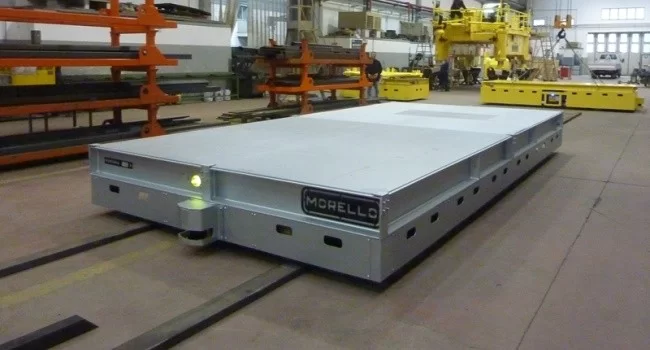
The 50-ton capacity electric cart represents a significant advancement in material handling technology, specifically designed for demanding industrial environments. This robust battery-powered solution combines exceptional load capacity with precise maneuverability, making it ideal for transporting heavy molds, equipment, and materials in manufacturing facilities. With its innovative design and specialized features, this electric cart delivers optimal performance while ensuring cargo protection. The system’s ability to handle massive loads while maintaining operational efficiency makes it an invaluable asset for automotive industries and other heavy manufacturing sectors. Its all-axle steering capability and extended battery life provide the perfect balance of power, control, and operational longevity, setting new standards in industrial material transport solutions.

Engineering excellence in load capacity and platform design

The 50-ton capacity electric cart represents the pinnacle of material handling engineering, specifically designed to meet the demanding requirements of heavy industrial applications. This battery-driven flatbed cart combines robust construction with advanced technology to deliver exceptional performance in challenging environments.

At the heart of this system is its impressive load capacity of 50 tons, supported by a generously sized platform measuring 4,500 x 2,500 mm. This substantial loading area provides ample space for transporting large molds, heavy equipment, and industrial materials while maintaining optimal weight distribution. The platform’s surface features specialized Teflon stripes, a critical design element that prevents damage to valuable cargo during transport and handling operations.

The power system utilizes advanced AC low-voltage engines, delivering reliable performance while maintaining energy efficiency. The gel battery technology ensures consistent power delivery throughout operations, with a remarkable operational capacity of 8 hours of continuous translation. This extended battery life minimizes downtime and maximizes productivity in industrial settings where continuous operation is crucial.

Movement capabilities stand out as a key feature of this electric cart. The system achieves speeds of up to 50 meters per minute while carrying full loads, demonstrating impressive performance even under maximum capacity. The all-axles steering system provides exceptional maneuverability, allowing operators to navigate tight spaces and complex industrial layouts with precision and control.

The cart’s wheels feature high-grade polyurethane construction, offering several advantages:

  • Superior load-bearing capacity
  • Excellent floor protection properties
  • Enhanced traction and stability
  • Reduced maintenance requirements
  • Extended operational lifespan

Safety features are integrated throughout the design, ensuring secure operation in various industrial environments. The system can be customized with ATEX and IECEx conformity for use in hazardous areas, making it suitable for specialized industrial applications where explosion-proof equipment is required. This adaptability extends the cart’s utility across diverse industrial sectors, from automotive manufacturing to heavy equipment production.

The control system incorporates advanced electronic components that enable precise movement and positioning. Operators can achieve accurate load placement through intuitive controls, while built-in safety mechanisms prevent overloading and ensure stable operation. The electronic system also monitors battery status and operational parameters, providing real-time feedback to operators.

Maintenance considerations have been carefully integrated into the design. The use of AC motors reduces routine maintenance requirements compared to DC systems, while the gel battery technology eliminates the need for frequent water additions and reduces maintenance overhead. Access points for service and maintenance are strategically placed to facilitate regular inspections and necessary repairs.

The cart’s robust construction ensures durability in demanding industrial environments. The frame and platform are engineered to withstand continuous heavy-duty use while maintaining structural integrity. This durability, combined with the system’s efficient power management, results in a lower total cost of ownership over the equipment’s operational life.

Environmental considerations are addressed through the electric power system, which produces zero direct emissions and operates with minimal noise levels compared to traditional fuel-powered alternatives. This makes the cart particularly suitable for indoor operations and environments where air quality and noise control are priorities.

Industrial applications and performance optimization in material handling

The 50-ton capacity electric cart demonstrates exceptional versatility across diverse industrial applications, setting new standards in material handling performance. This battery-driven flatbed cart excels in multiple sectors, particularly in automotive manufacturing, heavy equipment production, and specialized industrial environments requiring precise material movement.

Key performance indicators demonstrate the system’s capabilities across various applications:

  • Continuous operation cycles in manufacturing environments
  • Precision movement in confined spaces
  • Adaptability to varying load configurations
  • Energy efficiency metrics in extended operations
  • Integration capabilities with existing production systems

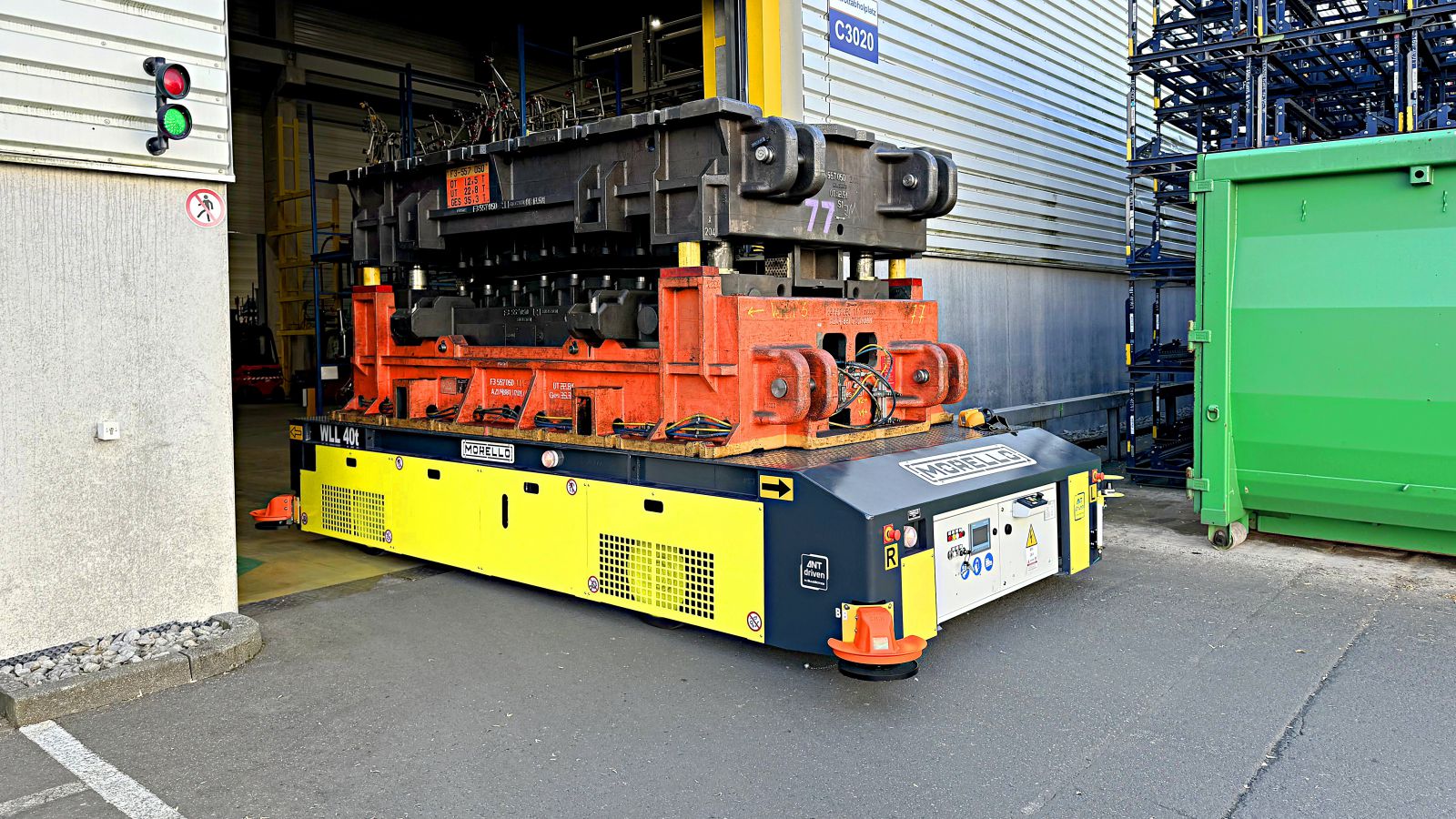
The cart system in automotive manufacturing plays a vital role in transporting heavy molds with precision, especially in press departments. Its specialized platform ensures the safe handling of sensitive tooling, enhancing production efficiency. With high load capacity and exceptional maneuverability, it enables the smooth transport of large components through complex layouts while maintaining precise control. The all-axle steering system is particularly beneficial in confined spaces, ensuring accurate positioning.

In logistics operations, the cart optimizes material flow by maintaining consistent speed under full load conditions. Its extended battery life supports continuous operation, improving overall facility productivity. For hazardous environments, ATEX and IECEx compliance ensures safe operation in explosive atmospheres, making it ideal for chemical processing and fuel storage areas.

Seamlessly integrating into automated manufacturing cells, the cart features electronic control systems that interface with production management software, enhancing efficiency. Performance monitoring provides valuable data on movement patterns, energy consumption, and load handling, supporting data-driven process optimization.

In heavy construction material handling, the cart’s stability ensures the secure transport of oversized components, making it ideal for precast concrete and steel fabrication plants. Energy efficiency metrics highlight optimized power usage, with regenerative braking and advanced battery management reducing operational costs.

With versatile movement capabilities, the system optimizes facility layout, navigates tight spaces, and supports lean manufacturing. Its precise control aids in quality assurance, ensuring accurate placement during inspections. Reliable in multi-shift operations, the cart integrates with workplace safety systems to enhance accident prevention, contributing to overall risk management and operational efficiency.

Advancing industrial material handling through innovative engineering

The 50-ton capacity electric cart represents a significant advancement in industrial material handling technology, combining robust performance with sophisticated control systems. This battery-driven flatbed cart demonstrates how innovative engineering can address complex industrial challenges while maintaining operational efficiency and safety. Through its comprehensive feature set, from advanced steering capabilities to intelligent safety systems, it establishes new standards in heavy load transportation.

Ready to transform your material handling operations? MORELLO‘s expertise in custom material handling solutions can help optimize your facility’s efficiency and safety. Contact our engineering team to discuss how our 50-ton capacity electric carts can be tailored to your specific industrial requirements.

50-ton battery-powered industrial carts: solutions for heavy loads

Battery-powered industrial carts for heavy loads represent a significant advancement in material handling technology, offering unparalleled efficiency and flexibility in managing substantial weights up to 50 tons. These sophisticated machines combine robust construction with advanced electric propulsion systems, delivering powerful performance while maintaining environmental sustainability. Designed specifically for industrial environments where traditional handling methods prove insufficient, these carts excel in transporting oversized mechanical components, steel structures, and heavy equipment. With features like AC low-voltage engines and remote control capabilities, these vehicles ensure precise maneuverability even in confined spaces. For industries requiring heavy-duty material transport solutions, these industrial carts represent the pinnacle of modern handling equipment, offering both power and precision in a single package.

Essential features of our battery-powered industrial carts

Battery-powered industrial carts designed for heavy loads incorporate several advanced features that make them indispensable in modern industrial settings. At the core of these robust machines lies a sophisticated power system built around AC low-voltage engines, delivering consistent performance while maintaining energy efficiency. These specialized vehicles can handle impressive loads of up to 50 tons while maintaining precise control and maneuverability.

The propulsion system represents a crucial component, engineered to deliver optimal torque and speed control. Operating at speeds of up to 20 meters per minute while carrying full capacity loads, these carts maintain steady movement without compromising stability or safety. The AC motor technology ensures smooth acceleration and deceleration, critical when transporting sensitive or valuable cargo.

Mobility and control systems stand out as essential features in these industrial carts. Remote control capabilities allow operators to maintain safe distances while ensuring precise positioning and movement. This remote operation capability proves particularly valuable in hazardous environments or when handling oversized loads where direct line of sight might be limited.

The wheel system plays a vital role in the cart’s performance. Cushion tires provide the perfect balance between load-bearing capacity and floor protection. These specialized tires offer excellent traction while minimizing ground pressure, making them suitable for various industrial flooring types. The wheel configuration ensures even weight distribution, critical when handling maximum loads of 50 tons.

Safety features integrate seamlessly into the design, including emergency stop systems, load capacity indicators, and obstacle detection sensors. The cart’s structural integrity relies on high-grade materials and reinforced construction, ensuring durability under continuous heavy-duty operation. For specialized environments, these carts can be certified for ATEX and IECEx standards, making them suitable for potentially explosive atmospheres.

The platform design accommodates various load dimensions, with standard sizes reaching 6,000 x 3,000 millimeters. This generous surface area, combined with the cart’s robust construction, allows for efficient handling of oversized mechanical components, industrial equipment, and structural elements. The platform’s design includes securing mechanisms to prevent load shifting during transport.

Power management systems in these industrial carts utilize advanced battery technology, providing extended operational times between charges. The battery systems include intelligent charging management, preventing overcharging while optimizing battery life. This electrical system design ensures consistent performance throughout the working shift, minimizing downtime for recharging.

Maintenance considerations factor heavily into the design, with easily accessible components and modular construction facilitating regular service and repairs. The electrical systems include diagnostic capabilities, allowing maintenance teams to quickly identify and address potential issues before they impact operations. This preventive approach helps maintain optimal performance and extends the equipment’s service life.

Environmental adaptability remains a key feature, with these carts capable of operating in various industrial environments. Whether in manufacturing facilities, warehouses, or outdoor yards, the robust construction and weather-resistant components ensure reliable operation. The battery-powered design eliminates emissions, making these carts suitable for indoor use and environmentally sensitive areas.

Control interfaces prioritize operator comfort and efficiency, featuring intuitive controls and clear display systems. The remote control units provide comprehensive feedback about the cart’s status, including battery levels, speed, and load information. This real-time data allows operators to optimize their handling procedures and maintain safe operating conditions.

Revolutionizing industrial mobility with cutting-edge transport solutions

Battery-powered industrial carts represent the pinnacle of heavy load handling technology, combining robust performance with advanced safety features. These sophisticated machines deliver exceptional value through their ability to handle loads up to 50 tons while maintaining precise control and operational efficiency. Their integration of remote operation capabilities, advanced power management, and versatile platform designs makes them indispensable in modern industrial settings.

Ready to revolutionize your handling operations? MORELLO‘s expertise in custom material handling solutions can help optimize your industrial processes. Our battery-powered industrial carts are engineered to meet your specific requirements, ensuring efficient and safe material transport across your facility. Contact our team of specialists to discover how our innovative transport solutions can enhance your operational efficiency and safety standards.

High-performance ladle transfer cart for temperatures up to 350°C

In the demanding environment of modern foundries, efficient and safe material handling is crucial for maintaining productivity. The specialized ladle transfer cart for temperatures up to 350°C represents a significant advancement in high-temperature material transport technology. This innovative solution addresses the complex challenges of moving molten materials while ensuring operator safety and equipment durability. The system’s sophisticated design incorporates specialized heat-resistant components and advanced safety features, making it an essential tool for foundries and metal processing facilities. Whether managing continuous casting operations or handling molten metal transport, these specialized vehicles provide reliable performance while maintaining strict temperature control and operational safety standards.

Exploring the advanced features of our transfer carts

The ladle transfer cart system represents a breakthrough in high-temperature material handling technology, specifically engineered to operate in extreme foundry environments. At its core, this specialized vehicle incorporates advanced thermal protection systems that enable safe operation with loads reaching temperatures of up to 350°C. The robust design ensures reliable performance while maintaining strict safety standards essential for foundry operations.

The system’s power architecture features a sophisticated battery-powered drive system, utilizing low-voltage AC motors that deliver precise control and optimal energy efficiency. With a substantial capacity of 60 tonnes and platform dimensions of 6,000 x 3,000 mm, this transfer cart meets the demanding requirements of large-scale industrial operations. The carefully calibrated travel speed of 20 meters per minute ensures both efficient material transport and operational safety.

Safety stands as a paramount feature, with the integration of dual laser scanner systems positioned at both front and rear. These advanced sensors create a comprehensive safety perimeter, continuously monitoring the surrounding area for potential obstacles or hazards. This dual-scanner configuration provides operators with enhanced situational awareness and automated safety responses.

The control interface offers exceptional versatility through a dual-control system. Operators can manage the transfer cart using either a traditional pendant push-button panel or a sophisticated remote controller, providing flexibility in various operational scenarios. This dual-control capability ensures seamless operation even in challenging environmental conditions.

Heat management represents a critical aspect of the design, featuring specialized protection systems for both the drive motors and battery components. The entire structure is coated with high-performance heat-resistant aluminum paint, creating an additional thermal barrier that extends component life and maintains operational integrity under extreme conditions.

For facilities operating in potentially hazardous environments, the system can be configured to meet stringent explosion-proof requirements. This includes full compliance with both ATEX and IECEx standards, making it suitable for deployment in areas where atmospheric safety is crucial. These modifications ensure safe operation without compromising the system’s core performance capabilities.

The engineering focus extends beyond mere functionality to include maintenance considerations. Key components are designed for accessibility, facilitating regular maintenance procedures while minimizing operational downtime. The battery system incorporates advanced charging management, optimizing power usage and extending operational periods between charging cycles.

Environmental adaptability remains a key strength, with the system capable of operating effectively across various industrial settings. The robust construction withstands the harsh conditions typical of foundry environments, while the precision control systems maintain accurate positioning capabilities essential for critical material handling tasks.

The integration of modern control systems allows for seamless coordination with existing facility operations. The transfer cart can be incorporated into broader material handling workflows, supporting efficient production schedules and maintaining consistent material flow throughout the facility. This adaptability makes it an invaluable asset in modern manufacturing environments where operational flexibility is essential.

Precision engineering in high-temperature material handling

The ladle transfer cart for temperatures up to 350°C exemplifies MORELLO’s commitment to engineering excellence in specialized material handling solutions. This advanced system combines robust safety features, precise control mechanisms, and exceptional thermal protection to meet the demanding requirements of modern foundry operations. By integrating cutting-edge technology with practical operational needs, it delivers reliable performance in challenging high-temperature environments.

MORELLO‘s expertise in custom-engineered transfer systems can help optimize your facility’s efficiency and safety standards. Contact our team of specialists to discuss how our ladle transfer cart solutions can be tailored to your specific requirements.

Self-loading transfer carts: power your heavy load operations

In the realm of industrial material handling, self-loading steerable transfer carts represent a groundbreaking solution for managing heavy loads with unprecedented efficiency. These sophisticated vehicles combine autonomous loading capabilities with precise steering control, revolutionizing how industries handle massive cargo. Designed to handle loads up to 100 tons, these transfer carts eliminate the need for external lifting equipment like cranes and gantries, streamlining operations and reducing dependency on additional machinery. The integration of advanced hydraulic systems with electric power delivers a perfect balance of strength and maneuverability, making these vehicles indispensable in modern industrial settings. For facility managers and industrial engineers seeking optimal material handling solutions, self-loading transfer carts offer a compelling combination of power, precision, and operational efficiency that transforms heavy load transportation challenges into seamless workflows.

Advanced material handling solutions: comprehensive system overview

The self-loading steerable transfer cart represents a significant advancement in industrial material handling technology, combining robust engineering with innovative design principles. At its core, this sophisticated machinery integrates multiple systems that work in harmony to handle loads up to 100 tons with remarkable precision and efficiency.

The foundation of these transfer carts lies in their advanced lifting mechanism. The loading platform features eight strategically positioned hydraulic cylinders that provide stable and controlled lifting support. This self-loading capability eliminates the traditional dependency on external lifting equipment, significantly streamlining operations and reducing facility overhead costs.

Power management plays a crucial role in these vehicles’ performance. The battery-powered system delivers consistent performance while maintaining zero emissions, making it ideal for indoor industrial environments. The AC low-voltage engine system ensures reliable operation while optimizing energy consumption, providing extended operational periods between charging cycles.

Movement control represents another crucial aspect of these transfer carts’ design. The steering system allows for precise maneuverability, essential when navigating through complex industrial layouts. With a maximum speed of 25 meters per minute while carrying full capacity loads, these vehicles strike an optimal balance between efficiency and safety.

The integration of solid tires enhances stability and durability, crucial factors when handling heavy loads. These specialized tires are engineered to withstand intense pressure while maintaining optimal traction across various industrial flooring surfaces. This design choice significantly reduces maintenance requirements while ensuring consistent performance under demanding conditions.

Remote control capabilities add another layer of operational flexibility and safety. Operators can maintain a safe distance while maintaining complete control over the vehicle’s movements, enhancing workplace safety without compromising precision. The remote control system features intuitive controls and real-time feedback, enabling operators to make quick decisions and adjustments as needed.

Key technical specifications include:

  • Load capacity: 100 tons
  • Platform dimensions: 6,100 x 3,000 mm
  • Operating speed: 25 m/min at full load
  • Power system: AC low voltage
  • Control method: Remote operation

The implementation of advanced safety features ensures secure operation in demanding industrial environments. Emergency stop systems, load monitoring sensors, and obstacle detection capabilities work together to prevent accidents and protect both operators and valuable cargo. These safety systems operate continuously, providing real-time monitoring and immediate response to potential hazards.

Maintenance considerations have been carefully integrated into the design. Access points for routine maintenance are strategically placed, allowing technical teams to perform regular inspections and services efficiently. This thoughtful design approach minimizes downtime and ensures long-term reliability.

The versatility of these transfer carts extends beyond basic material handling. Their design allows for integration with existing industrial workflows, making them valuable assets in various manufacturing and logistics operations. The ability to seamlessly connect with other material handling systems creates efficient production lines and streamlined logistics chains.

In industrial environments where space optimization is crucial, these self-loading transfer carts prove particularly valuable. Their ability to operate independently of fixed infrastructure like overhead cranes provides flexibility in facility layout and resource allocation. This adaptability makes them ideal solutions for facilities undergoing modernization or expansion.

The economic impact of implementing these transfer carts extends beyond immediate operational benefits. By reducing dependency on multiple pieces of handling equipment and minimizing labor requirements, organizations can achieve significant cost savings while improving operational efficiency. This combination of reduced overhead and increased productivity delivers compelling return on investment for industrial operations.

Applications across different industries

The versatility of self-loading steerable transfer carts makes them invaluable assets across numerous industrial sectors. Their ability to handle heavy loads with precision and efficiency has led to widespread adoption in various manufacturing and logistics environments, each with unique operational requirements and challenges.

In manufacturing, transfer carts excel in transporting heavy items between production stages with precise control and self-loading capabilities, enhancing production efficiency. In the energy sector, they are used in power plants for transporting equipment during maintenance and upgrades, with battery-powered operation ensuring emission control.

Construction material manufacturers rely on these transfer carts for safe handling of prefabricated elements like concrete panels and structural steel, while eliminating the need for additional lifting equipment. In logistics and warehousing, they optimize heavy cargo handling, navigating narrow aisles and complex layouts, with remote control ensuring safe operation in crowded spaces.

Metal processing facilities benefit from their robust design, ensuring safe transport of steel materials, while the solid tires provide stability on various industrial surfaces. The maritime industry uses these vehicles in shipyards and port facilities for handling heavy components in confined spaces, with a weather-resistant design for coastal environments.

Chemical processing plants value the clean, emission-free electric power system, and the safety features help in handling sensitive materials. In the defense sector, they are used for transporting military equipment, meeting strict specifications. Mining equipment manufacturers rely on the high load capacity and remote operation for safe handling of large components in assembly operations.

Renewable energy manufacturing, such as wind turbine and solar panel production, benefits from the vehicles’ ability to handle large components like blades and panels. They are also used in transportation equipment manufacturing for precise alignment of parts during assembly. In the paper and pulp industries, they prevent damage to sensitive materials, with battery-powered systems ideal for enclosed facilities.

Across all these industries, the self-loading steerable transfer cart demonstrates exceptional adaptability to specific operational requirements. The combination of robust construction, precise control, and advanced safety features makes these vehicles essential components in modern industrial operations, regardless of the sector or application.

Boosting industrial efficiency through innovative material handling

The self-loading steerable transfer cart represents a significant leap forward in heavy load handling technology, combining advanced engineering with practical operational benefits. These sophisticated machines deliver exceptional value across diverse industrial applications, from manufacturing to logistics, while maintaining the highest standards of safety and efficiency. Their ability to seamlessly integrate with existing workflows while providing robust, reliable performance makes them an invaluable asset for modern industrial operations.

MORELLO‘s expertise in custom-engineered transfer solutions can help you optimize your heavy load handling processes. Our team of specialists will work with you to develop a tailored solution that meets your specific operational requirements while maximizing efficiency and safety. Contact us today to discover how our self-loading steerable transfer carts can revolutionize your industrial material handling capabilities.

AUTOMATING HEAVY LOADS HANDLING WITH AGVs AND AMRs

AUTOMATING HEAVY LOADS HANDLING WITH AGVs AND AMRs

In today’s era of smart technologies, automation in material handling has become standard practice. However, in industries dealing with heavy materials, many companies still rely on outdated machinery and rigid processes to move loads weighing several tons. Forward-thinking organizations are now adopting cutting-edge solutions to enhance safety and efficiency across their operations.

Morello’s Automated Guided Vehicles (AGVs) are custom-engineered to deliver unparalleled precision, operational efficiency, risk reduction, and carbon footprint minimization. These advanced systems are employed across diverse industries such as steel manufacturing, automotive production, precast concrete, railways, energy, power generation, and beyond.
The impact of AGVs is both measurable and transformative, offering economic benefits that directly contribute to bottom-line savings. Morello’s heavy-duty AGVs are designed to operate in a wide range of industrial environments, including some of the most challenging conditions, such as steel foundries, explosion-risk zones (Ex/ATEX), and even on maritime vessels.

Key Advantages of Automated Material Handling

Automating the movement of heavy materials improves precision, optimizes space usage, prevents damage, and significantly enhances safety. These advantages streamline production workflows, ensuring a smoother material flow while lowering total operational costs.
Morello’s AGVs can handle payloads exceeding 200 tons, offering a reliable alternative to manually operated machinery, which requires skilled personnel to operate transport systems.

Understanding System Integration and Automation

Embracing Industry 4.0 concepts, Morello integrates automated workflows and predefined pathways into its AGV systems. These battery-powered flatbed transporters are seamlessly connected to Warehouse Management Systems (WMS) or Enterprise Resource Planning (ERP) platforms, ensuring full automation within a facility.

What Software Powers Morello AGVs?

Morello’s proprietary software has been developed over years of experience and is deployed worldwide. Combined with leading AGV software solutions, this platform offers unmatched flexibility in customizing AGV configurations, navigation paths, and automation processes tailored to the client’s production needs.

Navigation Technologies Tailored to Your Needs

To meet the most demanding project requirements, Morello employs the latest navigation technologies, offering the most suitable solution for each unique application. Options include:

  • Inductive or optical line tracking
  • SLAM (Simultaneous Localization and Mapping)
  • GPS guidance
  • Laser triangulation systems

The selection process balances system reliability and project budget constraints to deliver optimal results.

What Features Are Integrated into Morello AGVs?

Morello’s AGVs come equipped with state-of-the-art components designed to meet diverse operational demands:

  • Advanced navigation systems tailored to project requirements
  • Safety features like certified laser scanners
  • Lithium-ion battery systems for efficient power management
  • Automated charging stations for continuous operation
  • Maintenance-free brushless motors offering high precision
  • Comprehensive diagnostic systems (HMI) for real-time monitoring
  • IoT capabilities for remote troubleshooting and support
  • High-end PLCs and HMIs from brands like Siemens or Allen Bradley
  • Custom load-handling mechanisms, including lifting tables, rollers, or specialized fixtures
  • Multiple steering options, from standard automotive-type steering to OMNI multidirectional systems with independently powered wheels

Examples of Industry Applications

Morello’s heavy-duty AGVs have been successfully implemented in a variety of industries. Some notable use cases include:

  • Automotive Manufacturing
  • Steel Production
  • Nuclear Energy Facilities
    40 T - AMR FOR NUCLEAR POWER PLANT WITH OPTICAL NAVIGATION - AGV
  • Paint Manufacturing Plants
    3 T - NATURAL NAVIGATION AGV CART FOR COATING SECTOR


After-Sales Support and Service

Morello ensures its machines are built to last, offering reliable performance over the years. To maintain this reliability, Morello provides comprehensive support throughout the product lifecycle.
From initial commissioning to ongoing software updates and hardware servicing, the company’s dedicated team manages all aspects of after-sales support. Services include remote assistance, real-time machine monitoring, and on-site technical support, delivered either directly or through certified partners.

Get in Touch

For more details about Morello AGVs, visit our dedicated AGV page.
To request a personalized quote or additional information, feel free to contact us!